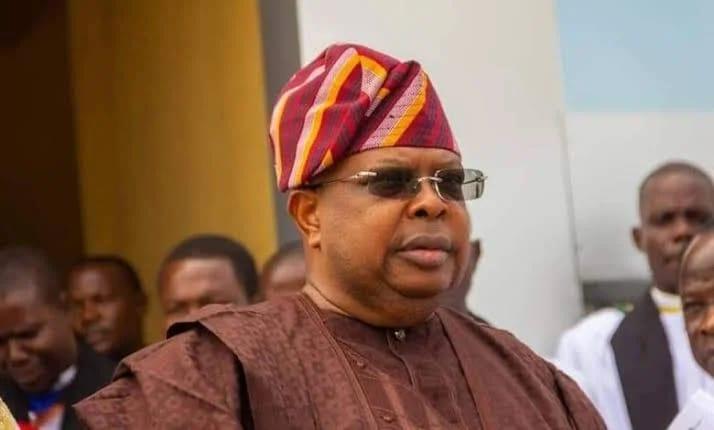
Lokpobiri: Nigeria's Petrol Price Lower Than US, Many African Nations
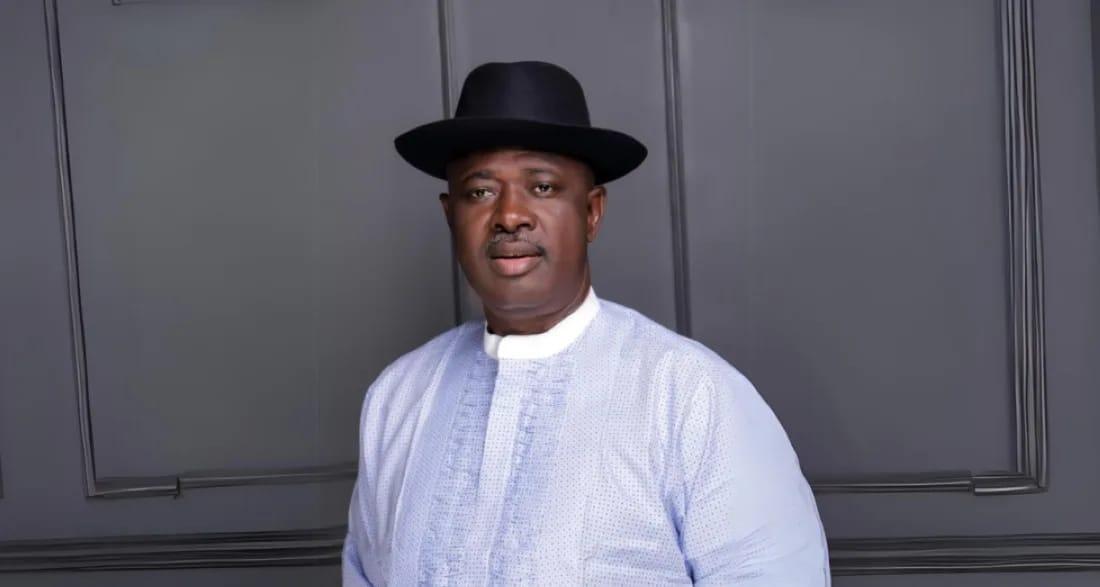
Full Story
Heineken Lokpobiri, the Minister of State for Petroleum Resources (Oil), has asserted that the typical cost of petrol in Nigeria is still more affordable compared to prices observed in the United States and several other African nations, even after the discontinuation of fuel subsidies. Speaking on Channels Television's "Politics Today" on Tuesday, Mr. Lokpobiri made this declaration as he defended the Federal Government's decision to deregulate the downstream petroleum sector, a move that has drawn public concern regarding elevated petrol prices.
This statement from the Minister coincides with recent price adjustments by the Dangote Petroleum Refinery and other fuel marketers, who have started lowering their depot prices due to a drop in global crude oil prices. The PUNCH had reported on Wednesday that the Dangote Refinery reduced its petrol depot price from N1,350 to N1,325 per litre. Similarly, other marketers implemented price cuts across key cities including Lagos, Port Harcourt, Calabar, and Warri. However, even with these reductions, retail petrol prices in certain areas ranged from N1,370 to N1,450 per litre.
During his appearance on "Politics Today," Lokpobiri highlighted that petrol in Nigeria is more economical than in countries like the United States, Cameroon, Ghana, and South Africa. He provided comparative figures, stating, "In the US, the average, you know, liter of fuel is N1,633. In Nigeria, it’s on the average of N1,430. If you go to Cameroon, it’s N1,959. If you go to Ghana, it’s N2,070. If you go to South Africa, it’s N2,070. So Nigeria’s average cost of fuel per litre is still lower than."
The minister further contended that being an oil-producing nation and having the Dangote Refinery operational does not automatically guarantee reduced petrol prices. He explained, "As at today, the records available show that USA is the highest producer of oil and gas in the world. The United States is the highest producer of oil and gas in the entire world. They also have the highest refining capacity, but the fuel price per liter is higher than that of Nigeria. So despite the fact that Dangote Refinery is here, that doesn’t mean that the fuel price will be lower because Dangote Refinery is available. But what is important is that the regulation has also created a new economy."
Lokpobiri emphasized that the deregulation policy has stimulated private sector investment within the oil and gas industry. He posited that the Dangote Refinery, for instance, would not have been sustainable if the government had persisted in importing petrol and selling it below prevailing market rates.
He quoted, "But for the policy of deregulation, Dangote Refinery wouldn’t have been the most attractive IPO in the continent. If government was continuously importing, as NNPC was doing, and selling at a lower price than the market price, Dangote wouldn’t have been able to survive."
According to the Minister, deregulation aims to foster opportunities for private-sector engagement in both the midstream and downstream segments. He added, "Deregulation all over the world is to enable private sector businesses to thrive and all the businesses that are associated with with the oil and gas sector."
Furthermore, Lokpobiri defended the discontinuation of the petrol subsidy, explaining that the resulting financial savings are now being disbursed to the three tiers of government via the Federation Account Allocation Committee (FAAC). He noted, "These days we get 2.1 trillion being shared. This is the first time it is happening. You’ll recall that before this government came, about 27 states had no capacity to pay even salaries. Today, states are doing gigantic projects. It’s because of the savings that we made from this subsidy."
Lokpobiri pointed out that the effects of elevated energy prices are not unique to Nigeria, as consumers in the United States and European countries also experience similar challenges. He stated, "Oil and gas is a global commodity. What is sold in New York is what is also sold here. So, no matter what you may think, America, or Saudi Arabia, or anywhere in the world, energy prices will always be the same."
The minister affirmed that the government has no plans to reverse the deregulation policy, despite the hardships faced by consumers, insisting that the policy is vital for attracting investment. He also highlighted the Dangote Refinery's provision of aviation fuel and the increase in foreign reserves as indicators of the benefits derived from the oil and gas sector.
Lokpobiri concluded by mentioning a recent statement from the Central Bank of Nigeria, which indicated that 85 percent of Nigeria's foreign reserves originate from the oil and gas sector.
Comments
(0)0/500 · No URLs or profanity allowed
Minister Lokpobiri don talk say our fuel price still dey low pass some big countries, even with all the subsidy wahala. Na hin be say, even with all the pressure, dem no go reverse deregulation. We just hope say the 'new economy' wey dem talk about go really help common man.
Source: Punch NG
Related Stories

Governor Otti Defends Fuel Subsidy End, Warns Reversal Will Hurt Nigeria

Public Servants Demand N500 Fuel, N500k Minimum Wage from President Tinubu
Minister Joseph Tegbe Confirms Unreliable Electricity Persists for Many Nigerians

FCT Families Battle Mounting Hardship Amidst Fuel Price Jumps
NMDPRA Clarifies Stance: No Hand in Petrol Pump Price Determinations