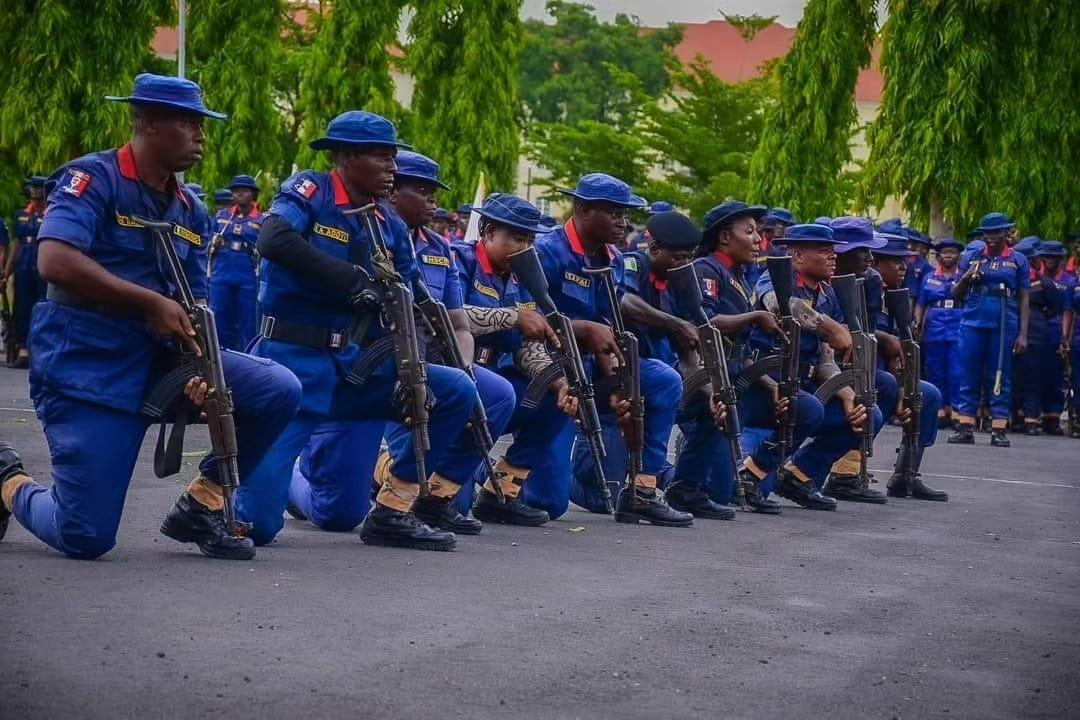
Minister Alausa Vows to End Borrowed Resources for Tertiary Accreditation

Full Story
Nigeria's federal government has initiated a significant overhaul of the accreditation process for higher learning institutions across the nation. Dr. Tunji Alausa, the Minister of Education, has issued a stern caution to these institutions, warning them against the practice of presenting temporary staff, equipment, and facilities during accreditation exercises.
Speaking on Wednesday at the launch of the Ministerial Committee on Strengthening Accreditation and Quality Assurance Systems for Tertiary Institutions in Nigeria, Alausa articulated the government's ambition. He stated that the goal is to transform accreditation from a periodic assessment into a continuous, digitally-driven, and data-centric quality assurance framework. This new system, he explained, would accurately verify the true operational capacity of universities, polytechnics, and colleges of education.
The Minister emphasized the necessity of reinforcing the current system to make it “more transparent, efficient, evidence-based and difficult to manipulate.” He stressed that accreditation must reflect an institution's genuine ability to deliver quality education, rather than a fabricated image. “An institution should not be able to prepare a temporary picture of itself simply for the purpose of an accreditation visit. Sadly, this is what persists in the majority of instances,” Alausa lamented.
He further highlighted the administration's commitment to tackling situations where academic and non-academic personnel are temporarily moved or presented for accreditation and subsequently returned to their original institutions. Alausa also condemned the “temporary movement, borrowing or presentation of equipment, laboratory facilities, workshop resources, library materials and other infrastructure solely for accreditation purposes.”
Alausa insisted that any resources an accreditation team inspects must represent the “actual and sustainable capacity” of an institution. To achieve this, he revealed that technology would be deployed to enhance the verification of infrastructure, equipment, and personnel. This includes leveraging geospatial mapping, geotagging, and digital identification technologies. “Critical equipment presented for accreditation should be capable of being digitally identified and linked to a specific institution and physical location. Where appropriate, such equipment should have a unique digital record showing its location, status and other relevant information,” the minister elaborated.
Regarding staffing, Alausa called for a robust digital identity management and staff verification framework. This system would enable regulators to confirm the identity, presence, and institutional affiliation of personnel presented by tertiary institutions. He suggested that this framework should integrate national identity infrastructure and interoperable government databases, all while adhering to data protection laws.
The Minister also proposed a collaborative effort with the National Identity Management Commission (NIMC) to utilize the National Identification Number (NIN), alongside the Bank Verification Number (BVN) infrastructure and other secure technologies. The aim is to establish the principle of “one individual, one verifiable identity and an accurately declared institutional affiliation,” which would also help in detecting instances where individuals are improperly listed as full-time staff in multiple institutions.
Alausa underscored that these reforms are critical because the existing accreditation model largely functions as a periodic exercise, typically conducted every three to five years. “A longer-term objective should be to move from accreditation as an event to accreditation as a continuous quality assurance process,” he stated. He argued that institutions should consistently uphold prescribed standards throughout the year, rather than making special preparations only in anticipation of accreditation teams.
He explained that a robust digital accreditation platform would empower regulators to continuously maintain and periodically verify information concerning institutional staffing, facilities, laboratories, workshops, and equipment even before physical accreditation visits. “The physical visit will remain important, but it should increasingly serve to validate verified data rather than begin the verification process from scratch,” he clarified.
This revamped approach, according to the minister, would enable regulatory bodies like the National Universities Commission (NUC), National Board for Technical Education (NBTE), and National Commission for Colleges of Education (NCCE) to build comprehensive institutional histories, moving beyond reliance on mere snapshots obtained during accreditation exercises.
Alausa further disclosed that the Ministry recently convened a collaborative meeting involving the three primary tertiary education regulatory bodies and other professional regulatory bodies. He mentioned that the government is currently awaiting advice from the Attorney-General of the Federation regarding the subsequent steps. He also indicated that a digital platform serving as a “single source of truth” for verified information would be established.
In related education news, the Academic Staff Union of Universities (ASUU) chapter at Sokoto varsity has threatened industrial action over unpaid entitlements. Additionally, the Federal Government and the National Youth Service Corps (NYSC) are working to link education records to curb certificate fraud. Meanwhile, the National Open University of Nigeria (NOUN) has announced the appointment of an acting bursar.
Comments
(0)0/500 · No URLs or profanity allowed
Dis move by Minister Alausa make sense well-well o! E don tey wey dem dey use borrowed market for accreditation, making our education quality shaky. We just dey hope say dis digital approach go truly work to make our schools better, no be audio plan.
Source: Punch NG
Related Stories

Delta State: NYSC Teacher Remanded Over Alleged Child S£xual Abuse

Federal Government, NYSC Forge Digital Link Against Certificate Racketeering

Details emerge: UNIZIK Lecturers Commence Indefinite Strike Over Partial August Pay

Teacher Bronwen James: 'I Found It Hard to Say No' in Court Over Pupil S3x Claims
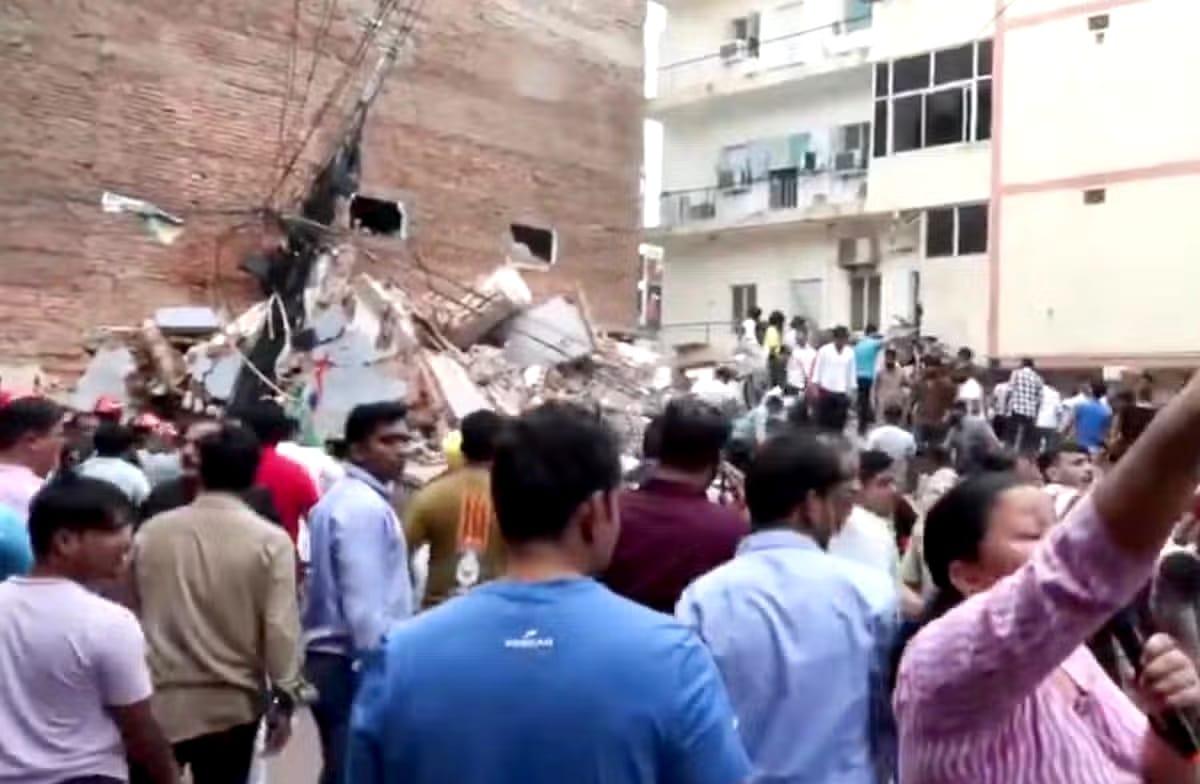
Six Lives Lost, Many Students Feared Trapped in Delhi Hostel Collapse