Experts Call for Strategic Leadership to Combat Africa's Security Challenges
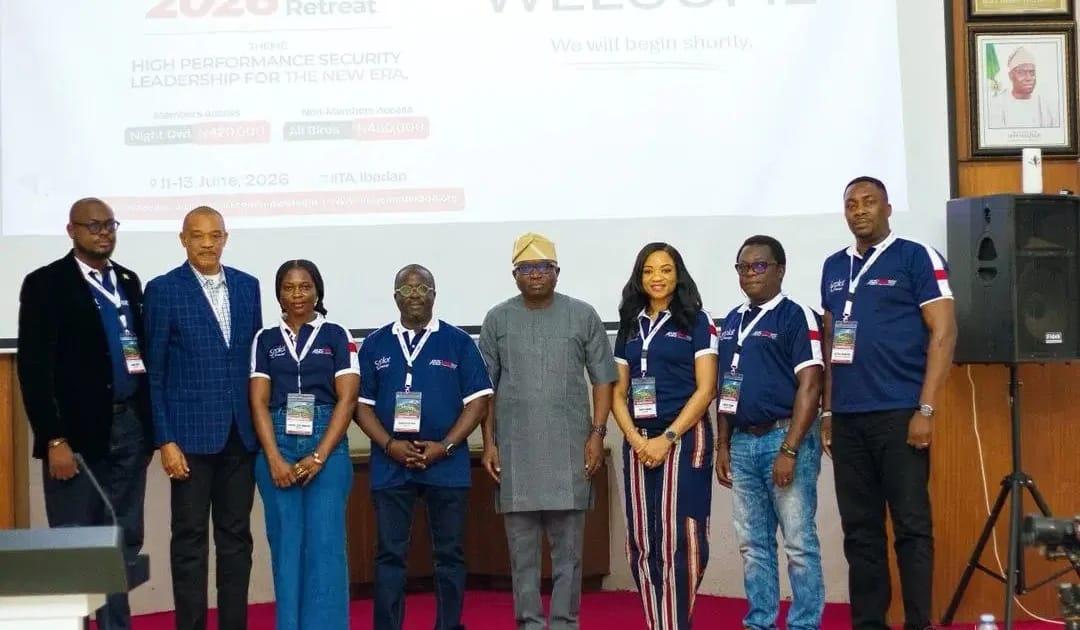
Security professionals, business executives, and risk managers have underscored the vital role of strategic leadership in effectively addressing the evolving security landscape across the African continent. This consensus emerged during the 2026 retreat of ASIS International Chapter 206, which took place in Ibadan, Oyo State. The gathering focused intensely on the dynamic nature of security risks and the leadership capabilities required to navigate such a multifaceted environment.
A statement released to The PUNCH on Thursday detailed that participants at the retreat delved into a range of pressing issues, from terrorism and organised crime to cyber threats, climate-induced pressures, and geopolitical uncertainties impacting organisations throughout Africa. Delivering the keynote address titled “Achieving High-Performance Security Leadership for the New Era in Africa,” retired Major General Charles Ofoché emphasised that organisations must move beyond simply reacting to crises as a measure of success. He posited that the capacity to anticipate potential risks, adapt swiftly to change, and cultivate resilience are now indispensable attributes of effective security leadership, noting the interconnectedness of many modern threats necessitates a departure from conventional approaches.
“From violent extremism and organised crime to cyber insecurity, demographic pressures and climate-related conflicts, the risks confronting institutions are increasingly interconnected,” Major General Ofoché stated. He further highlighted that tackling these complex challenges demands strategic foresight, innovative thinking, and intelligence-driven decision-making.
Olufemi Kayode, the Chairman of ASIS International Chapter 206, addressing the retreat, framed the event as a direct response to Nigeria’s shifting security realities. Kayode pointed out that phenomena like kidnapping, organised criminality, cybercrime, and maritime insecurity continue to exert considerable pressure on businesses and communities, making continuous learning and professional development absolutely essential. “In my view, the changing threat landscape has made continuous learning, strategic thinking and professional development more important than ever,” he remarked.
He also shared that the chapter has consistently worked to bolster industry capacity through various certification programmes, strategic alliances, and targeted development initiatives. The ASIS chairman cited recent activities, including a Women in Security Conference and professional webinars, while also unveiling plans for university roadshows designed to attract and mentor the next generation of security practitioners.
Hector Ikemefuna, Chairman of the Retreat Planning Committee, explained that the event was structured to equip participants for the realities of a rapidly transforming global environment. According to Ikemefuna, the programme blended discussions on strategic leadership with practical learning opportunities in areas such as emerging technologies, crisis management, and collaborative problem-solving.
During a webinar held as part of the retreat, Adam Samuels, Crisis Response Director at Convex, underscored the critical importance for organisations to be adequately prepared for kidnap incidents. “Successful kidnap management is built on preparedness rather than reaction,” Samuels advised. He urged organisations to formulate clear response strategies, establish dedicated crisis management teams, and prioritise coordination among stakeholders long before any crisis materialises.
Dr Isaac Orolugbabe, a faculty member at Lagos Business School, urged attendees to perceive security leadership as a strategic business function that should be integrated into executive decision-making processes. Similarly, Omamofe Ugboma of Stanbic IBTC Asset Management discussed financial resilience and strategies for long-term wealth creation, stressing the significance of both personal and organisational preparedness.
The statement concluded by noting that delegates departed the retreat equipped with “renewed insights, stronger professional networks and a shared conviction that effective leadership would remain central to achieving security, stability and sustainable development in Africa.”
Gallery

Comments
(0)0/500 · No URLs or profanity allowed
Na good talk dem talk for dat security meeting, say strategic leadership don dey very important to face all dis wahala for Africa. But to make am work for ground, na im be the real challenge for leaders.
Source: Punch NG
Related Stories

Lagos Building Collapse: Ten Residents Saved in Alakija

France's Dayot Upamecano Plans 'Physical' Approach for Erling Haaland Matchup
OAU Don Advocates Joint Effort for Nigeria's Forest Conservation

Imo Students Get Drug Abuse Warning from Joint NDA, NDLEA, Navy Campaign

Eight-Year-Old Chinemelum Chinonso Crowned Orumba Spelling Bee Champion