Lagos State Embarks on Ambitious Waste Management Overhaul

Full Story
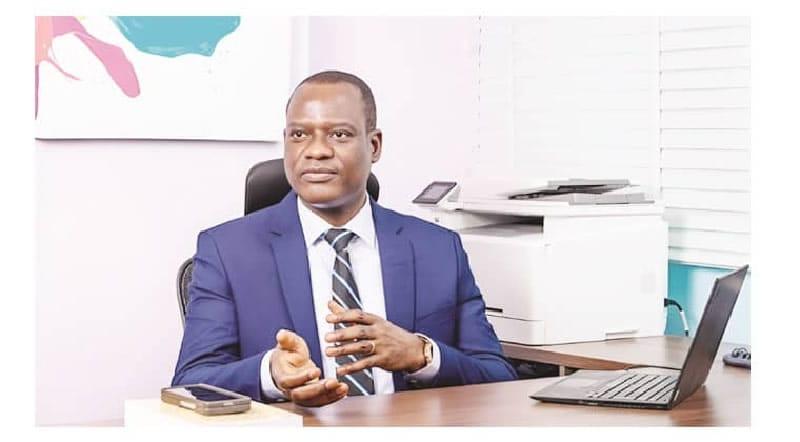
The Lagos State Government has unveiled plans to revolutionize its waste management system by phasing out outdated landfills and introducing state-of-the-art material recovery facilities and waste-to-energy plants. This move is part of the state's efforts to tackle the escalating waste management crisis. Muyiwa Gbadegesin, the Managing Director and Chief Executive Officer of the Lagos Waste Management Authority, revealed this during a mid-year media briefing at the agency's office in Ijora-Olopa, Lagos State. The session focused on the agency's strategies to enhance waste management through infrastructure development, innovation, enforcement, and the transition to a circular economy. Gbadegesin noted that the state has faced significant challenges at its major dump sites in recent months, particularly during the rainy season, with issues such as flooding of access roads and disposal platforms, as well as the dwindling capacity of some landfills to receive waste. He stated that the capacity of the dump site itself to receive waste is limited due to its age, and the state has embarked on engineering interventions to extend the operational capacity of the affected sites while developing alternative waste management facilities. The rehabilitation of Road E, the second access road to the landfill, and the construction of two disposal platforms have improved access and reduced turnaround time for waste trucks, resulting in an increase in the number of truck trips to the site. The agency is also developing two major transfer loading stations at Olusosun and Solous, with the Olusosun facility expected to receive 2,500 tonnes of waste daily in a controlled indoor environment. Gbadegesin explained that once the existing dump sites are decommissioned, they will be rehabilitated through measures including gas extraction and the use of geotextile materials, while some could be converted into other waste management facilities. The state is also planning to develop waste-to-energy plants, including one in Badagry, which will take at least three to five years to complete. Material recovery facilities covering about 50 hectares each are being developed in Ikorodu and Badagry to process bulk waste and separate it into organic waste, plastics, metals, and textiles. On waste collection, Gbadegesin said LAWMA has increased its capacity with 10 additional trucks, with plans to add more compactor trucks by the end of the year. The state has begun the process of reforming the PSP sector, involving 438 operators, and has established six working groups to review the sector and submit their reports within one month. The goal is to have a restructured PSP programme that will have the necessary investment, infrastructure, and equipment to serve the needs of Lagosians. The state is also strengthening enforcement against indiscriminate waste disposal, with five enforcement units operating daily in collaboration with relevant agencies. A total of 259 environmental offenders were prosecuted between January and July, with all 259 convicted.
Comments
(0)0/500 · No URLs or profanity allowed
Lagos state don dey try to tackle im waste management problem with new plans to replace old landfills with modern facilities. Make we see whether dis one go work or na just talk.
Source: Punch NG
Related Stories

IMF Warns Saudi Economy Shrinking Amidst Rising Middle East Conflicts

Headline Inflation in Nigeria Registers Slight Dip to 15.39% for August 2026

Nigeria's Road Coverage Places It Second Among African Nations
FG Won't Disclose Spending Plans for $5bn Abu Dhabi Loan, Oyedele Insists

Nigeria's Oil-Rich States Reap Bulk of Derivation Funds in Q1