Nigeria's Oil-Rich States Reap Bulk of Derivation Funds in Q1
Full Story
An analysis of the distribution of derivation funds to Nigeria's oil-producing states in the first quarter of 2026 has revealed that Delta, Bayelsa, and Akwa Ibom states received the lion's share. The three states collectively received about 75 per cent of the total N321.90bn allocated under the 13 per cent derivation principle, with Delta emerging as the biggest beneficiary with N101.60bn, followed by Bayelsa with N71.64bn and Akwa Ibom with N69.39bn. The dominance of these states in revenue allocation is attributed to their large crude oil production volumes and export infrastructure. Rivers state ranked fourth, receiving N46.09bn, while the remaining states received significantly smaller allocations. For instance, Ondo received N9.39bn, Edo got N7.47bn, Imo received N7.39bn, Abia received N5.42bn, and Anambra received N3.49bn. The newest oil-producing states, Enugu and Kogi, each received a token allocation of N46,991. The uneven distribution of derivation funds reflects the disparity in crude oil production across the country, with states having larger oil fields and export infrastructure attracting higher revenues. According to the Nigerian constitution, oil-producing states are entitled to a 13 per cent derivation payment as compensation for petroleum resources extracted from their territories. The allocation is determined largely by production volumes, leaving states with marginal output at the bottom of the distribution table. Historical data shows that derivation payments have increased significantly in recent years, with oil-producing states sharing N1.51tn in 2025, up from N671.9bn in 2024. The list of beneficiary states has also expanded to 11, following the recognition of Enugu and Kogi as oil-producing states, although they currently receive only symbolic allocations due to their low production levels.
Comments
(0)0/500 · No URLs or profanity allowed
Na so dem dey share derivation funds for Nigeria, with some states dey collect big money, while others dey manage small change. We go see whether dis one go change or na just business as usual.
Source: Punch NG
Related Stories

IMF Warns Saudi Economy Shrinking Amidst Rising Middle East Conflicts
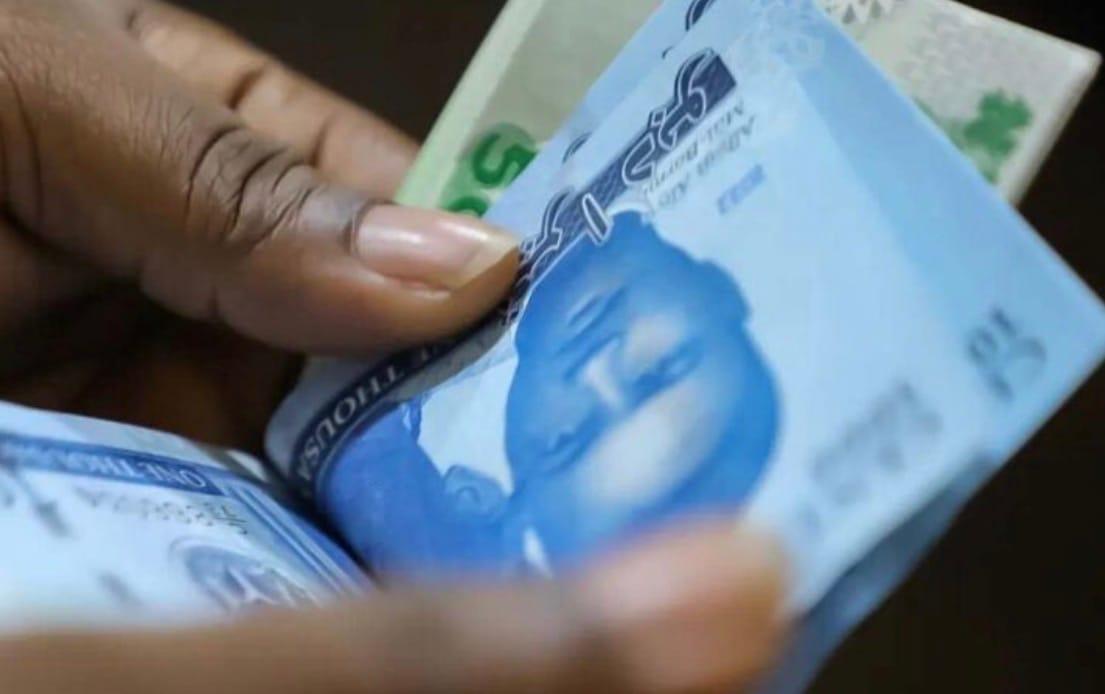
Headline Inflation in Nigeria Registers Slight Dip to 15.39% for August 2026
Nigeria's Road Coverage Places It Second Among African Nations
FG Won't Disclose Spending Plans for $5bn Abu Dhabi Loan, Oyedele Insists

Lagos State Embarks on Ambitious Waste Management Overhaul