FCT Residents Ditch Cooking Gas for Charcoal, Firewood as Prices Soar
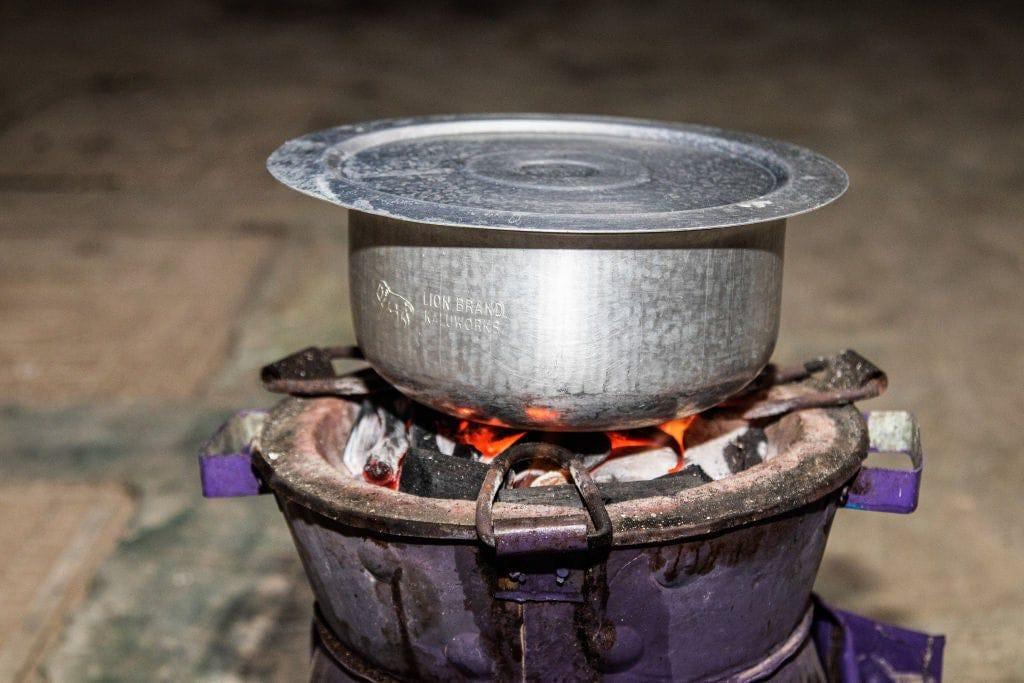
In the face of skyrocketing cooking gas prices, many residents and businesses in the Federal Capital Territory have resorted to traditional alternatives such as charcoal and firewood. The cost of cooking gas in the FCT has witnessed a significant surge, rising from approximately N1,200 per kilogram to a staggering N2,000 per kilogram in recent months. Industry insiders attribute this increase to a combination of factors, including supply shortages, higher depot costs, foreign exchange pressures, and escalating transportation expenses. Consumers and vendors of cooking gas, who spoke to the News Agency of Nigeria, revealed that the rising cost has compelled many households and businesses to seek cheaper cooking options. Mrs. Mayo Akinpelu, a food vendor in Gwarimpa, Abuja, stated that she abandoned cooking gas due to the repeated price hikes, which made it too expensive for her business. She has since switched to firewood and charcoal, citing their affordability and ease of purchase in small quantities. Although customers sometimes complain about delays, Akinpelu noted that these alternative fuels have become her only practical option amidst rising gas prices. Another food vendor, Ms. Victory Samson, in Dutse, Bwari Area Council, expressed concerns that the price increase has significantly eroded her profit margin and affected her business operations. In Kubwa, a business owner, Mrs. Grace Oluwatimilehin, was shocked by the latest price increase, having recently purchased gas at a lower rate. She now relies on electric hot plates for cooking and sometimes uses charcoal and firewood instead of gas. Mrs. Abike Ojo, a mother of one, lamented that the continuous rise in gas prices is exerting severe pressure on her household budget. She appealed to the government to intervene, warning that the rising cost of gas could further increase household expenses. Reacting to the situation, a gas vendor in Kubwa, Mr. Bamishile Bolanle, confirmed that gas currently sells for N2,000 per kilogram. He noted that the increase has affected business, as people's purchasing power has dropped significantly. Another gas vendor, Mr. Alfred Orshio, in Dei-Dei, reported a noticeable decline in customer patronage due to the price increase. A charcoal distributor in Kubwa, Mrs. Amina Yakubu, observed that demand for charcoal has increased as more people switch from gas. She buys a bag of charcoal for N6,500 and sells it to her customers for N8,000. Another charcoal vendor, Mrs. Saratu Ibrahim, also confirmed growing demand, stating that her stock now sells much faster than before. Mr. Taninu Ibrahim, a firewood seller, said demand has increased significantly as more households and food vendors abandon cooking gas for cheaper alternatives. He attributed the surge in demand to the rising cost of cooking gas, which has made firewood a more attractive option for many families and small businesses. As cooking gas prices continue to rise, residents and business owners are increasingly adopting alternative cooking methods, raising concerns about affordability and the growing cost of living in the FCT. Stakeholders have urged government intervention to stabilize prices, while vendors warned that persistent scarcity and weak consumer purchasing power could further reduce gas consumption and business activity.
Comments
(0)0/500 · No URLs or profanity allowed
The rising cost of cooking gas in the Federal Capital Territory has forced many residents and businesses to switch to traditional alternatives such as charcoal and firewood. The price of cooking gas has surged from N1,200 per kilogram to N2,000 per kilogram in recent months. This shift to alternative fuels has raised concerns about affordability and the growing cost of living in the FCT.
Source: punchng.com
Related Stories

Trump's Student Visa Policy Risks Massive $400 Billion US Economic Loss

Lagos Delivers Food, Cash Aid to Vulnerable Households

VIDEO: I Don’t See the Hunger Nigerians Are Complaining About” — Onanuga Defends Tinubu’s Policies

Abia Commissioner Ogbonna Calls for United Front Against Climate Change

Pro-Tinubu Convener Faces Tough Questions on Fuel Prices and Hardship