Minister Idris Asks Critics: Subsidy Return Or Vital Social Programmes?
Full Story
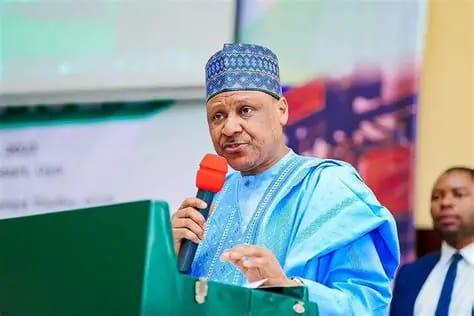
Nigeria's Information and National Orientation Minister, Mohammed Idris, has firmly dismissed suggestions to reinstate the petrol subsidy. He asserted that the nation has progressed past such an economic model, cautioning that bringing it back would nullify the economic advancements achieved since its removal. According to Idris, a return to the subsidy system would jeopardize Nigeria's improving financial health, erode investor trust, and reintroduce the financial strains that rendered the old arrangement unworkable. These remarks were made public via an Op-Ed piece, titled "Restoring Fuel Subsidy Will Reverse Nigeria’s Economic Gains," which appeared in several national newspapers on Monday, as confirmed by a statement from his media aide, Rabiu Ibrahim, in Abuja.
"Reinstating the subsidy would almost immediately plunge Nigeria back into the economic circumstances of 2022, reigniting the fiscal difficulties, market distortions, shortages, and opportunities for arbitrage that made the previous system unsustainable," Idris declared. He further contended that any demands for the subsidy's return must be weighed against the numerous other critical needs vying for government funding.
The Minister then posed a series of rhetorical questions to critics: "Should we bring back the petrol subsidy, or should we instead maintain student loans and consumer credit programmes for our youth? Is the choice to restore subsidy, or to safeguard increased financial disbursements to states and local councils? Do we choose subsidy restoration, or the continued funding of essential infrastructure like roads, railways, electricity, and national security? And finally, do we restore subsidy, or bolster the government's financial capability to broaden access to healthcare, education, and social safety nets for the most vulnerable citizens?"
Idris highlighted that the funds saved from the subsidy removal have significantly boosted the financial resources available to all three levels of government. He referenced data from the Federal Government's recently unveiled document, "Nigeria’s Reform Scorecard: The Benefits, Costs and Harms Prevented," to support his claim.
He further noted that Taiwo Oyedele, who serves as both the Minister of Finance and Coordinating Minister of the Economy, revealed that the elimination of the subsidy has generated N15.8 trillion in revenue for the Federation between June 2023 and December 2025. This amount, Idris detailed, includes approximately N5.43 trillion allocated to the Federal Government, N6.52 trillion to state governments, and N3.88 trillion to local government areas.
Idris clarified that this N15.8 trillion does not represent a distinct fund but rather an integration of resources within the broader national fiscal framework. He explained that this expanded financial capacity has empowered states and local governments to fulfill their salary and pension commitments, as well as invest in crucial public services. Concurrently, it has bolstered federal government initiatives in infrastructure development, security enhancement, agricultural advancement, and human capital development.
"The Reform Scorecard indicates an approximate N6.47 trillion in supplementary spending on critical infrastructure projects," Idris stated. He added, "Additionally, over N400 billion has been allocated to significant social investment programmes, such as NELFUND, the MOFI Real Estate Investment Fund (MREIF), and CREDICORP. Meanwhile, direct social transfers have benefited more than 10 million Nigerian households."
The minister also issued a caution, noting that the government is already shouldering a considerable electricity subsidy, projected to be N3.14 trillion between June 2023 and December 2025. Consequently, he warned that reinstating the petrol subsidy would impose an even greater strain on the nation's public finances.
Idris further pointed out that both the Organised Private Sector (OPS) and the broader economic community have voiced strong warnings against reversing these reforms. He concluded, "Nigeria cannot construct a thriving future economy by reverting to the unsustainable subsidy system of the past. We have decisively moved past that particular model."
He implored Nigerians to evaluate these reforms through the lens of the nation's enduring economic stability and the imperative to forge a more robust and productive economy for the future.
Comments
(0)0/500 · No URLs or profanity allowed
Minister Idris don yarn say make we no go back to fuel subsidy o, say e go scatter all the small small progress wey we don make. Him even ask critics say which one dem want: subsidy or money for student loan and roads? Na serious talk be this o.
Source: Punch NG
Related Stories
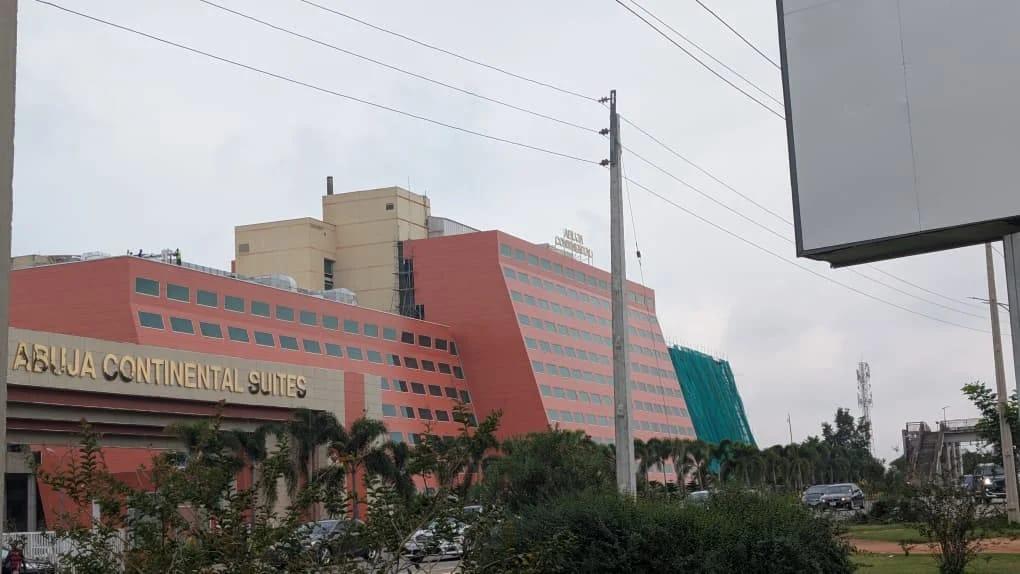
Abuja Hotel Staff Rebuff TUC, NLC Bid to Unionize Amid Picket
ICPC Uncovers Fraudulent 'Made-in-Nigeria' Body Operating Without FG Approval
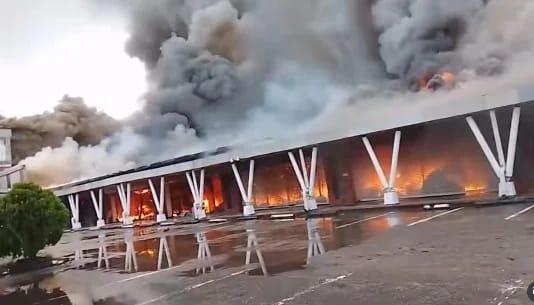
Calabar's SPAR Mall Gutted by Raging Inferno

Joy as Media Personality Osi Suave Becomes First-Time Boy Dad, Hails Wife Whitney
Atiku Rejects Tinubu's 'Ignorant' Tag on Fuel Subsidy Plan