Hormuz Strait Attack Propels Brent Crude Over $91; Oil Giants Net $87bn Q2 Earnings
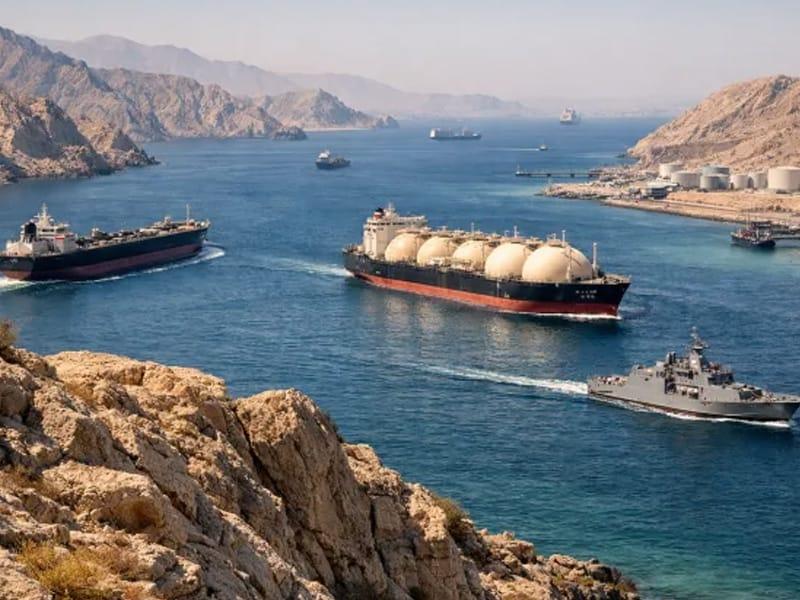
Crude oil benchmarks experienced a significant climb on Tuesday, with Brent crude, Nigeria's primary oil grade, surpassing $91 per barrel, and the US West Texas Intermediate (WTI) exceeding $85. This surge came as fresh hostilities emerged around the crucial Strait of Hormuz, following an assault on a ship navigating the strategic maritime route. The incident intensified worries about potential interruptions to global oil supplies.
The United Kingdom Maritime Trade Operations (UKMTO) confirmed receiving intelligence yesterday morning regarding an event involving a cargo vessel within the Strait of Hormuz. The organisation detailed that the ship was hit by an unidentified object while departing the strait, leading to damage in its engine room and a fatality among the crew. This situation unfolds amidst heightened security concerns, as the United States and Iran remain in a protracted dispute over dominance of this vital shipping artery, which facilitates the transit of a considerable portion of the world's oil and liquefied natural gas.
In early Asian trading, Brent was observed at approximately 0.69 percent higher at $91.50 a barrel, while WTI saw a 0.92 percent rise to $85.28. This recent uptick in prices coincides with substantial profits being recorded by major oil corporations, who are capitalising on the significant increase in crude prices. These elevated prices were initially triggered by geopolitical conflicts and subsequent shipping disruptions through the Strait of Hormuz.
An analysis reveals that eight prominent oil firms – Saudi Aramco, BP, Shell, Equinor, TotalEnergies, Eni, Chevron, and ExxonMobil – collectively amassed around $87 billion in profits during the second quarter of 2026. This figure represents nearly twice the earnings reported in the corresponding quarter of 2025, which stood just under $50 billion for the same group of companies. The notable jump in revenue followed a sharp escalation in oil prices after the United States and Israel initiated strikes against Iran, a conflict that subsequently brought tanker movements through the Strait of Hormuz to an almost complete standstill. The International Energy Agency (IEA) has characterized this resulting supply interruption as the most significant in the global oil market's history. Brent crude, which hovered around $68 per barrel at the close of February, had surged to nearly $100 a barrel by May, driven by mounting supply anxieties.
Among the companies evaluated, Saudi Aramco emerged as the leading earner, declaring a 34 percent increase in its quarterly net income, surpassing $33 billion. The British oil major, BP, also reported a substantial rise in its second-quarter profits, reaching $5.73 billion, which was almost double its earnings from the same period in 2025 and exceeded analyst projections. US-based Chevron achieved its highest quarterly profit in at least six years, with adjusted earnings totalling $12.2 billion. Its upstream operations alone contributed $8.2 billion, marking a 200 percent increase from the prior year. Shell, similarly, posted its second-highest quarterly profit, as its net income climbed to $9.84 billion, while Equinor's profit reached $3.2 billion within the same quarter. Furthermore, ExxonMobil recorded a profit of $14.5 billion in the second half of the year, while TotalEnergies reported a Q2 net income of $6 billion, and Eni registered $2.65 billion during the period.
However, this significant financial gain has intensified both political and environmental scrutiny of the major oil companies. Governments and advocacy groups are reiterating demands for increased taxation on these exceptional profits. The argument for implementing windfall taxes has gained considerable momentum, particularly as consumers contend with escalating energy expenses and national economies battle inflation, while oil producers continue to reap benefits from elevated crude prices. Earlier this month, US President Donald Trump publicly criticized ExxonMobil and Chevron, accusing them of generating excessive profits from the current high crude prices. Concurrently, the ongoing disruptions have reignited apprehension regarding global reliance on fossil fuels, with nations demonstrating a willingness to pay premium prices to secure vital oil and gas supplies amidst prevailing shortages.
Comments
(0)0/500 · No URLs or profanity allowed
Wahala for Hormuz don make oil price scatter everywhere, and big oil companies just dey smile go bank with plenty money. Na dis kin' tin dey make people vex say make dem tax dem well well, especially as common man dey suffer for fuel.
Source: Arise TV
Related Stories

FG Accounts for N15.8 Trillion from Fuel Subsidy Removal

FG: N15.8 Trillion Boost from Fuel Subsidy End, Forex Overhaul

Oyedele Calls on States to Boost IGR, End Allocation Reliance

Aliko Dangote Foundation Secures 20-Year Management of Kano Skills Acquisition Centre

NAFEM Records $1.41 Billion Turnover as FX Market Activity Surges