Nigerian Media Urged to Step Up Scrutiny of Methane Emissions
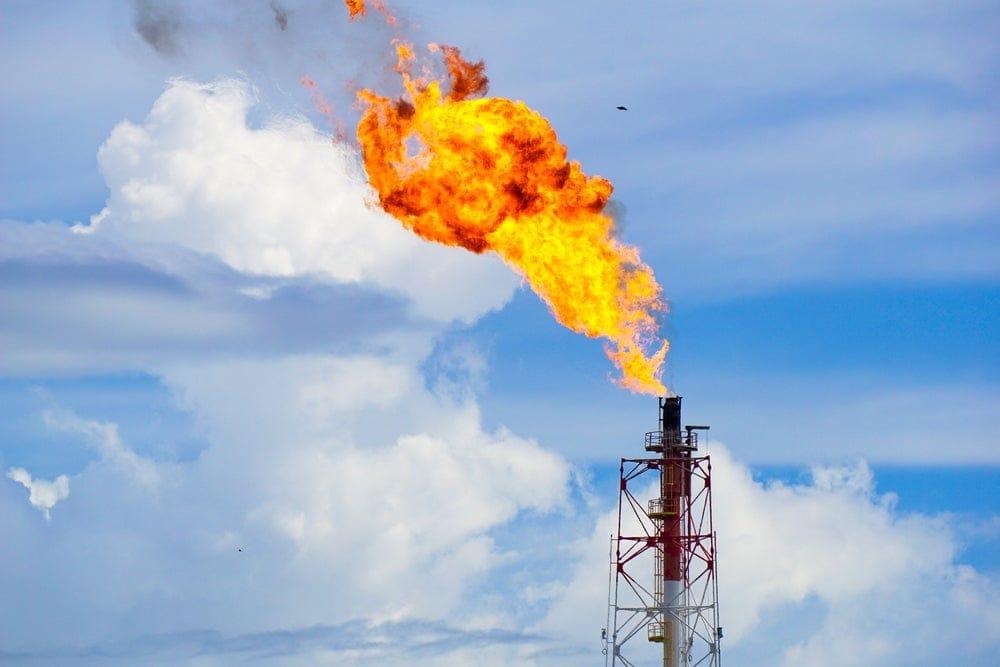
In a bid to tackle the growing issue of methane emissions in Nigeria, media practitioners, experts, and journalists have come together to advocate for more rigorous scrutiny and investigative reporting. This call to action was made during a webinar titled 'Media, Accountability and Methane Emissions Enforcement', which was organized by Policy Alert in partnership with the BudgIT Foundation. The event began with opening remarks from Edidiong Dickson and Enebi Opaoluwa, who represented the Executive Director and Global Director of Policy Alert and BudgIT Foundation, respectively. They highlighted the severe environmental, health, and economic impact of methane emissions on host communities, particularly those affected by oil and gas activities. The speakers emphasized the need for greater accountability and public scrutiny, citing the weak enforcement of existing environmental regulations as a major contributor to the problem. The webinar featured a documentary screening of 'Flaring Lives', which sheds light on the plight of communities affected by gas flaring. This was followed by a panel discussion and an interactive session, where participants explored practical ways for journalists to report on methane emissions. The consensus among participants was that methane emissions pose a significant environmental, public health, and climate challenge, and that sustained, evidence-based journalism is necessary to bring the issue to the attention of policymakers, regulators, and the general public. Participants stressed that the media has a vital role to play in scrutinizing regulatory compliance, investigating emissions and enforcement gaps, and amplifying the experiences of affected communities. They also emphasized the importance of moving beyond episodic reporting to sustained investigations that track regulatory commitments, corporate compliance, and the impact of methane emissions on communities. To achieve this, participants resolved to strengthen collaboration between journalists and civil society organizations, improve access to information and technical expertise, and deepen investigative journalism on methane emissions. They also committed to promoting informed public discourse that would encourage stronger enforcement of methane regulations and support Nigeria's climate commitments. By doing so, they hope to bridge the information gap surrounding methane emissions and put greater pressure on relevant authorities and industry stakeholders to comply with environmental standards.
Comments
(0)0/500 · No URLs or profanity allowed
Methane emission dey cause big problem for Nigeria, especially for communities wey dey near oil and gas sites. Make media people take am serious and hold those wey dey pollute accountable.
Source: Arise TV
Related Stories
NLC Protest Disrupts Air Peace Flight Operations Nationwide
Kwara Fire Service Cries Out Over Encroachment On Mandate Market Station
Nigeria's Financial System Gets Senate Boost
Ekiti's Oyebanji Directs Agencies to Unite for IGR Boost
Ogun State Joins Forces to Combat Climate Change Through Tree Planting