Nigeria Turns to Carbon Finance for Affordable Clean Cooking Solutions
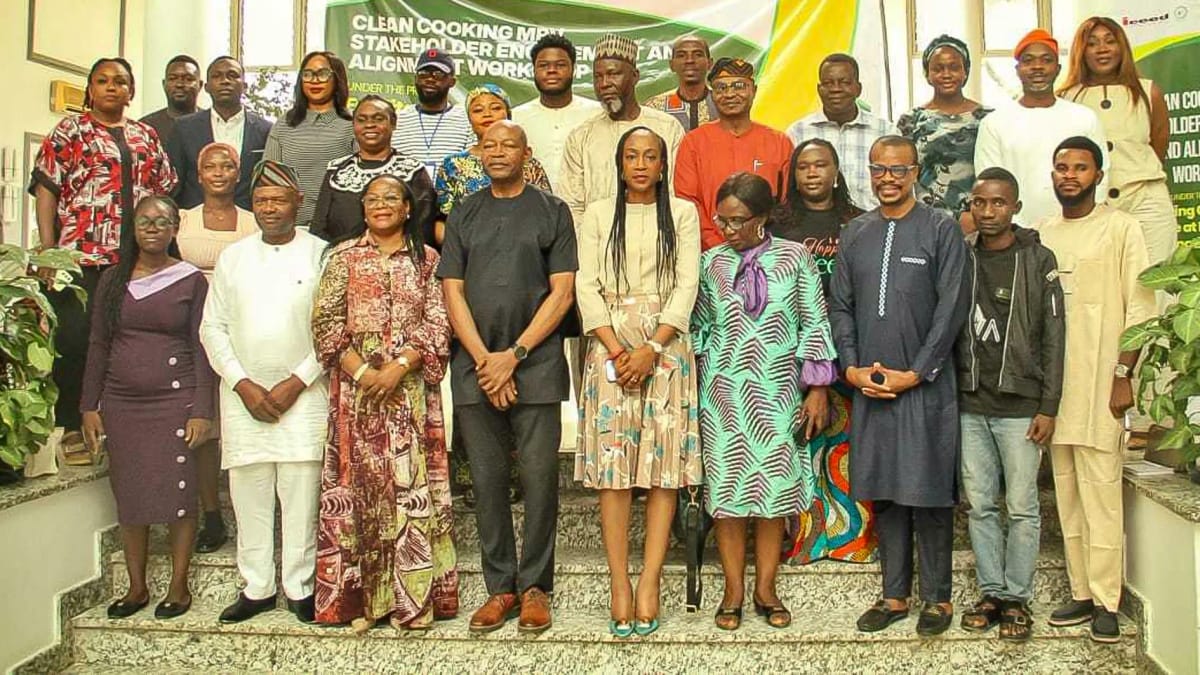
The rising cost of Liquefied Petroleum Gas (LPG) in Nigeria has led to a significant shift away from cleaner energy options, with many households reverting to traditional biomass such as wood and charcoal. This trend was highlighted at the Clean Cooking Monitoring, Reporting and Verification (MRV) Stakeholders Engagement and Alignment Workshop, organized by the International Centre for Energy, Environment and Development (ICEED) in collaboration with FuelTree, PACE, and the Nigeria Alliance for Clean Cooking. According to Ewa Eleri, Executive Director of ICEED, approximately 85% of domestic cooking in Nigeria still relies on traditional biomass, despite government efforts to promote the adoption of LPG. The current price of cooking gas, averaging N1,500 per kilogramme, has made it unaffordable for most households, with a 12.5kg cylinder now costing over N20,000 to fill. As a result, many households are abandoning cleaner energy options and returning to wood and charcoal, leading to severe health and environmental consequences. Eleri noted that smoke from traditional kitchens is responsible for between 93,000 and 100,000 deaths annually in Nigeria, with women being disproportionately affected. To address this issue, stakeholders are exploring the potential of international carbon finance to subsidize the cost of clean cooking solutions. Eleri emphasized that robust data measurement, reporting, and verification systems are essential for this market to thrive. Dr. Bekeme Olowola, representing FuelTree, highlighted Nigeria's significant climate wealth potential, with the potential to unlock up to $35 billion annually in climate financing through clean cooking. However, she stressed that a trusted, digital data infrastructure is necessary to access these funds. Olowola explained that many clean cooking projects have failed commercially due to weak data systems and manual surveys, which are prone to inflation and fraud. By transitioning to digital platforms that provide real-time data and AI-driven continuous verification, it is possible to reduce the cost of MRV by 50-70% and create immutable data that international investors can trust.
Comments
(0)0/500 · No URLs or profanity allowed
Na so carbon finance go help Nigerians cook clean, make dem no go back to wood and charcoal wey dey kill people. Dem need strong data system to make dis work.
Source: Guardian Nigeria
Related Stories
Nigeria Drops $717.7m World Bank Electricity Loan

Nigerian Economy in Shambles, Says Clergyman Paul Adefarasin

Nigeria's Digital Switch-Over Set to Unlock N605bn Advertising Revenue, $1bn Spectrum Sales

Tinubu Administration's Borrowing Spree Raises Alarm as Debt Burden Surpasses 55-Year Record
Lagos Govt, Diageo Push for Increased Investment in Hospitality Sector