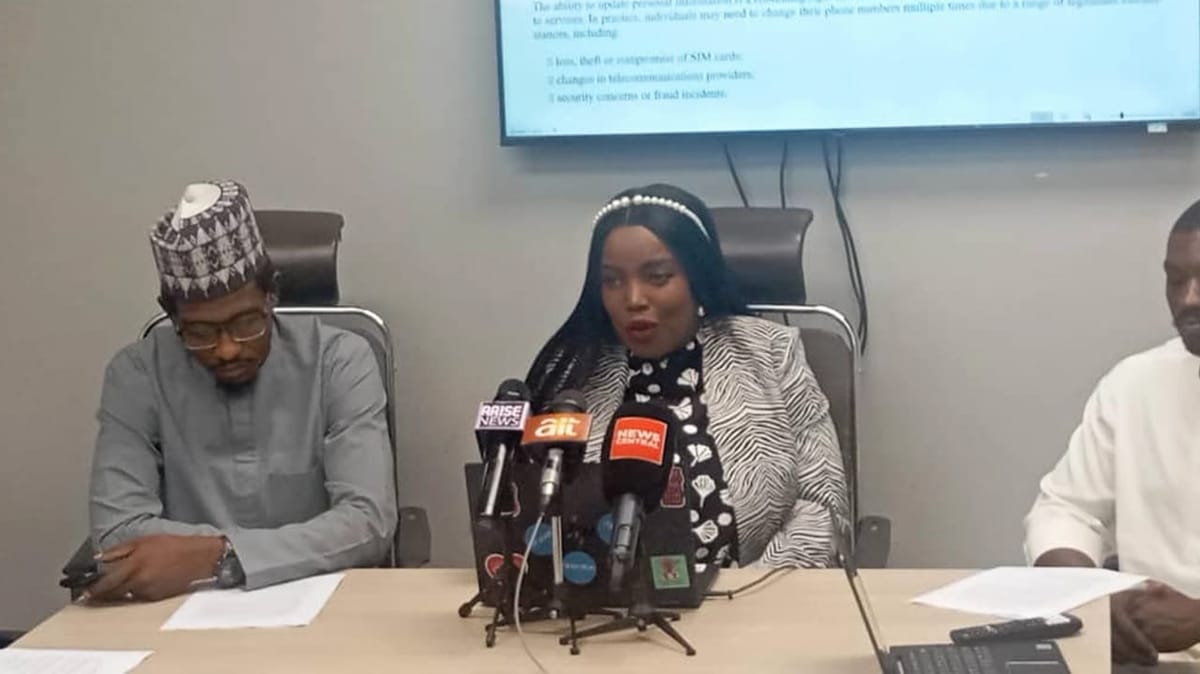
Nigeria Drops $717.7m World Bank Electricity Loan
In a significant move, the Federal Government of Nigeria has opted to cancel a substantial loan facility from the World Bank aimed at bolstering the nation's electricity sector. The cancelled amount, totaling $717.7 million, was part of a broader $1.52 billion power sector recovery program initiated to revamp Nigeria's struggling electricity industry. This decision follows a mutual agreement between the Nigerian government and the World Bank to discontinue the financing due to the evolving realities of the sector and the failure to achieve key milestones in the reform process. According to the World Bank, the cancellation of this loan marks the end of the undisbursed portion of the power sector recovery program, with no further disbursements to be made. The program, initially approved in June 2020 with $752.5 million in financing, was designed to enhance the reliability of electricity supply, improve financial sustainability, and increase accountability within the electricity value chain. An additional financing package of approximately $763.5 million was approved in June 2023, aiming to extend the project's timeline and achieve more comprehensive reforms. However, despite initial progress, the program faced significant challenges, including high technical, commercial, and collection losses in the distribution segment and inadequate cost recovery, leading to a mismatch between generated revenues and operational costs. The World Bank noted that Nigeria's electricity sector continues to grapple with deep-seated structural issues, such as weak distribution performance, transmission bottlenecks, underutilization of generation capacity, and persistent financial imbalances. The implementation of the original operation saw notable successes, including a 71% reduction in tariff shortfalls between 2019 and 2022 and an improvement in regulatory cost recovery from 56% to 94%. However, the anticipated reforms under the additional financing package were hindered by significant macroeconomic developments, including the liberalization of the foreign exchange market in June 2023, which led to a sharp depreciation of the naira and a substantial increase in the cost of natural gas used for electricity generation. Over 70% of Nigeria's electricity is generated using natural gas, which is priced in US dollars, making the sector highly vulnerable to foreign exchange fluctuations. The cancellation of the loan underscores the complexities and challenges facing Nigeria's electricity sector and the need for comprehensive and sustainable reforms to ensure reliable and affordable electricity supply for the nation.
Comments
(0)0/500 · No URLs or profanity allowed
Naija don cancel $717.7m loan from World Bank wey suppose help our electricity problem. Make we see whether dem go find another way to make our light stable.
Source: Linda Ikeji's Blog
Related Stories

Nigeria Turns to Carbon Finance for Affordable Clean Cooking Solutions

Nigerian Economy in Shambles, Says Clergyman Paul Adefarasin
Nigeria's Digital Switch-Over Set to Unlock N605bn Advertising Revenue, $1bn Spectrum Sales
Tinubu Administration's Borrowing Spree Raises Alarm as Debt Burden Surpasses 55-Year Record
Lagos Govt, Diageo Push for Increased Investment in Hospitality Sector