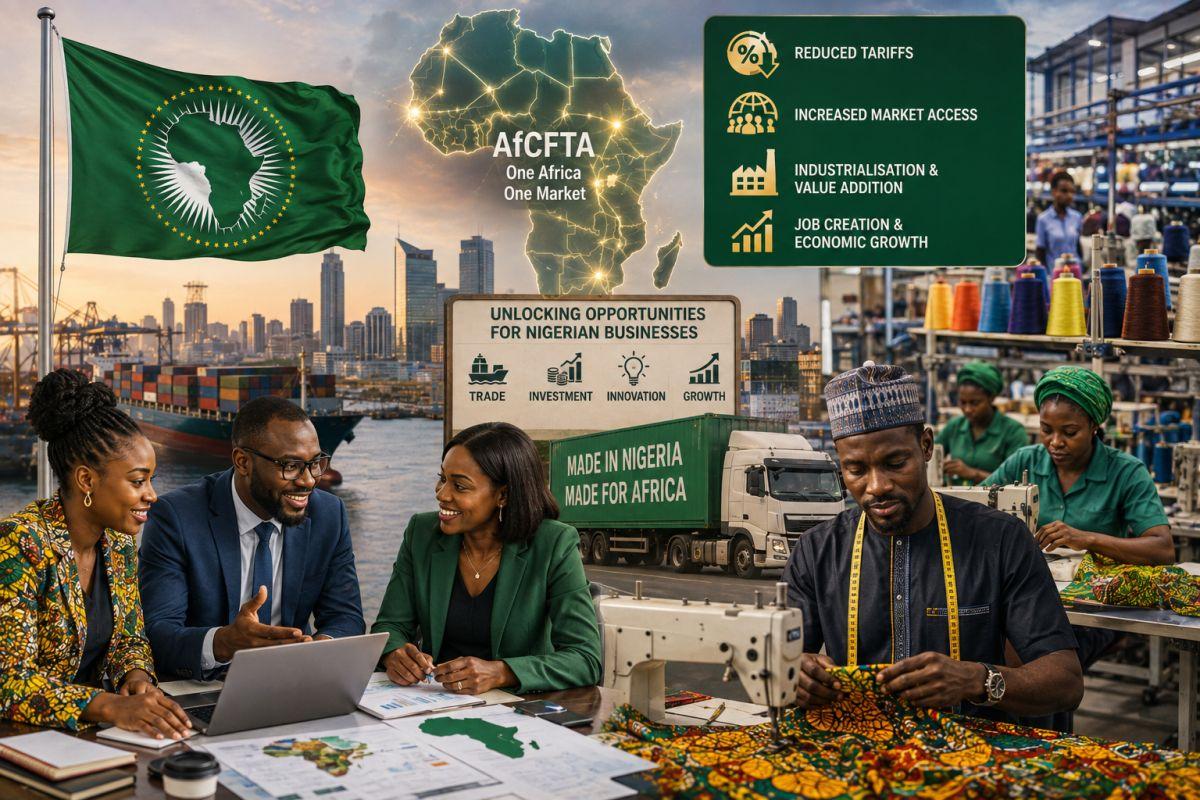
Unlock AfCFTA: Nigerias Guide to Boosting Business Across Africa
For Nigerian businesses looking to expand their horizons and enhance their competitiveness, understanding the intricacies of African Union trade agreements is becoming increasingly vital. These agreements, particularly the landmark African Continental Free Trade Area (AfCFTA), are not merely diplomatic constructs but powerful economic tools designed to reshape intra-African commerce and offer significant opportunities for enterprises across the continent, including Nigeria.
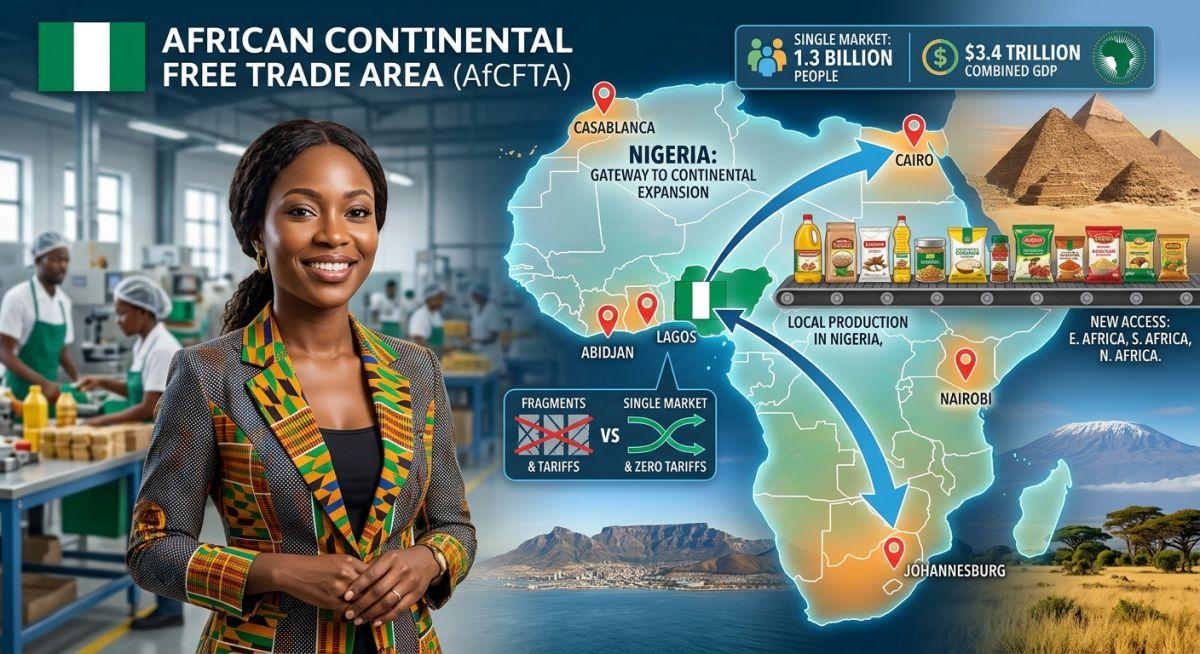
At its core, AfCFTA aims to create a single market for goods and services across 54 African countries, boasting a combined population of 1.3 billion people and a collective Gross Domestic Product (GDP) of approximately $3.4 trillion. For Nigeria, with its robust entrepreneurial spirit and diverse economic landscape, this presents an unprecedented pathway to growth and integration into a larger, more dynamic market.
One of the most significant advantages for Nigerian businesses stemming from these agreements is the **expanded market access**. Before AfCFTA, Nigerian exporters often faced a fragmented African market, characterized by varying national trade policies and tariffs. Now, the agreement promises to eliminate tariffs on 90% of goods, creating a more level playing field. For instance, a small to medium-sized Nigerian manufacturer of processed foods, previously constrained by domestic demand or high export costs to neighbouring countries, can now strategically target consumers in East Africa, Southern Africa, or North Africa with greater ease and competitive pricing. This single market effectively transforms Nigeria's potential customer base from hundreds of millions
Gallery
Comments
(0)0/500 · No URLs or profanity allowed
Nigerian businesses can thrive by leveraging African Union trade agreements like AfCFTA. Understand these powerful tools to expand your market across 54 African countries.
Related Stories

Nigerian Tech Talent Abroad: Navigating Global Layoffs & Career Shifts
Nigerian Farmers Face Climate Crisis: Beyond Global Talks

Nigerian Tech Talent Abroad: Navigating Global Layoffs & AI Shifts
Global Shocks, Local Pockets: Why World Events Affect Nigerian Food & Fuel Pr...
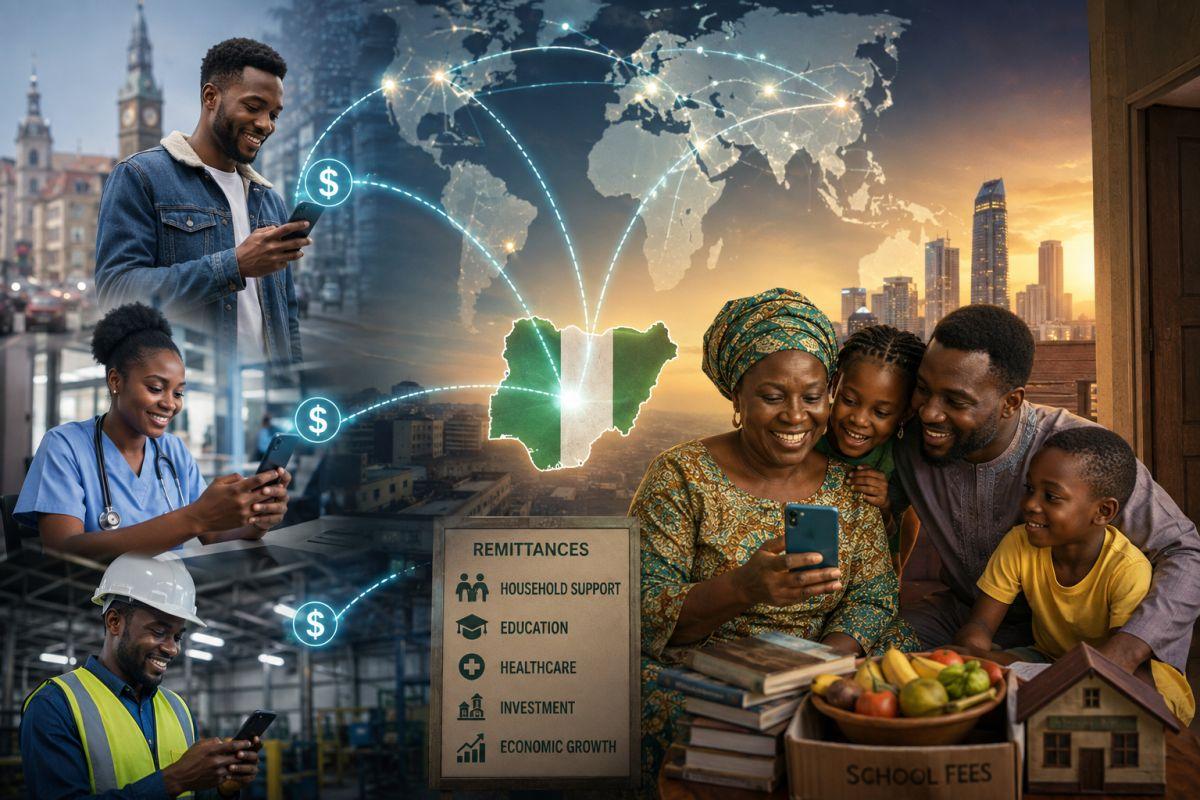
Naija Abroad: How Diaspora Earnings Shape Nigerias Economy