Global Shocks, Local Pockets: Why World Events Affect Nigerian Food & Fuel Pr...
In today's interconnected world, events unfolding thousands of miles away often have tangible impacts right here in Nigeria. For the average Nigerian household, the prices of essential commodities like rice, beans, and fuel are critical indicators of economic well-being. What might seem like purely local market dynamics are frequently direct reflections of global economic trends, geopolitical shifts, and even climate phenomena. Understanding these links is key to grasping the daily cost of living.
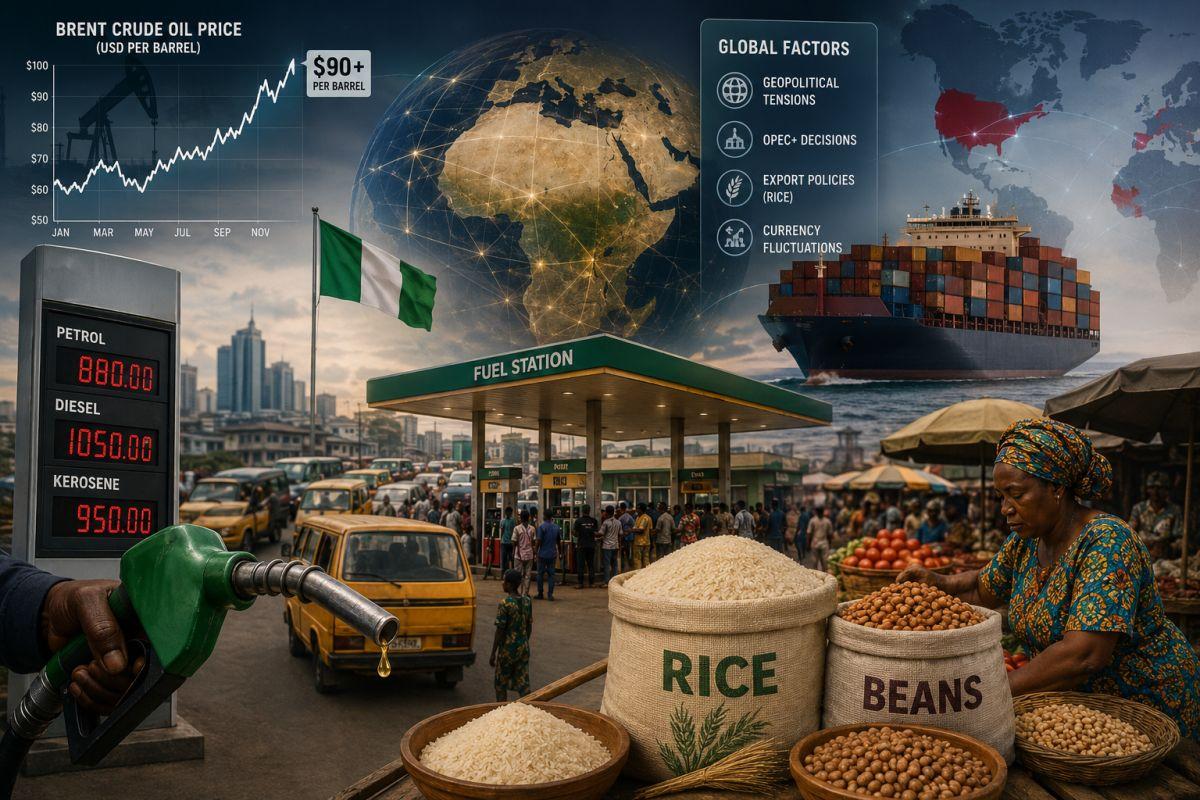
One of the most immediate and frequently felt global impacts is on the price of fuel. Nigeria, despite being Africa's largest oil producer, relies heavily on imported refined petroleum products to meet its domestic demand. This fundamental dependency means that global crude oil prices directly dictate the cost of petrol, diesel, and kerosene at the pump. When major oil-producing regions face instability, such as geopolitical tensions in the Middle East or conflicts in Eastern Europe, global supply concerns can drive crude oil prices upward. For instance, the conflict between Russia and Ukraine in early 2022 significantly disrupted global energy markets, leading to a surge in crude oil prices. This increase inevitably translated into higher landing costs for refined fuel in Nigeria, contributing to subsequent adjustments in domestic pump prices. Decisions by the Organization of the Petroleum Exporting Countries and its allies (OPEC+) regarding production quotas also play a crucial role; a decision to cut production, as seen in recent years, can tighten global supply and push prices higher, directly affecting Nigerian consumers.
The cost of rice, a staple food across Nigeria, is also highly susceptible to international market dynamics. Major rice-exporting nations, primarily India, Thailand, and Vietnam, wield significant influence over global supply and pricing. When these countries implement export restrictions or face their own domestic supply challenges, the ripple effect is felt globally. A prime example occurred in July 2023 when India, the world's largest rice exporter, imposed restrictions on non-basmati white rice exports to ensure its domestic food security. This single policy decision immediately triggered price increases in international markets, as other importing nations scrambled for alternative sources. For Nigeria, a significant importer of rice despite growing local production, such global supply shocks mean higher import costs, which are then passed on to consumers. Furthermore, adverse weather events like floods or droughts in key rice-producing regions, often exacerbated by climate change, can devastate harvests, reduce global supply, and consequently drive prices up.
Beans, another vital component of the Nigerian diet, are also not immune to global influences, albeit sometimes more indirectly. While Nigeria is a significant producer of beans, and much of its supply comes from within West Africa, global factors affect input costs for local farmers. The price of agricultural inputs such as fertilizers, pesticides, and machinery is often tied to global energy prices. Fertilizers, for instance, are heavily reliant on natural gas for their production. When global natural gas prices rise, due to events like
Comments
(0)0/500 · No URLs or profanity allowed
Global trends directly impact Nigerian households. Understand how international events shape the prices of your daily food and fuel.
Related Stories
Nigerian Farmers Face Climate Crisis: Beyond Global Talks

Nigerian Tech Talent Abroad: Navigating Global Layoffs & AI Shifts

Naija Abroad: How Diaspora Earnings Shape Nigerias Economy

Unlocking Africa: How Nigerian Businesses Can Thrive with AU Trade Pacts
Global Shocks, Naija Prices: How World Events Hit Your Wallet & Market Basket