Nigerian Farmers Face Climate Crisis: Beyond Global Talks
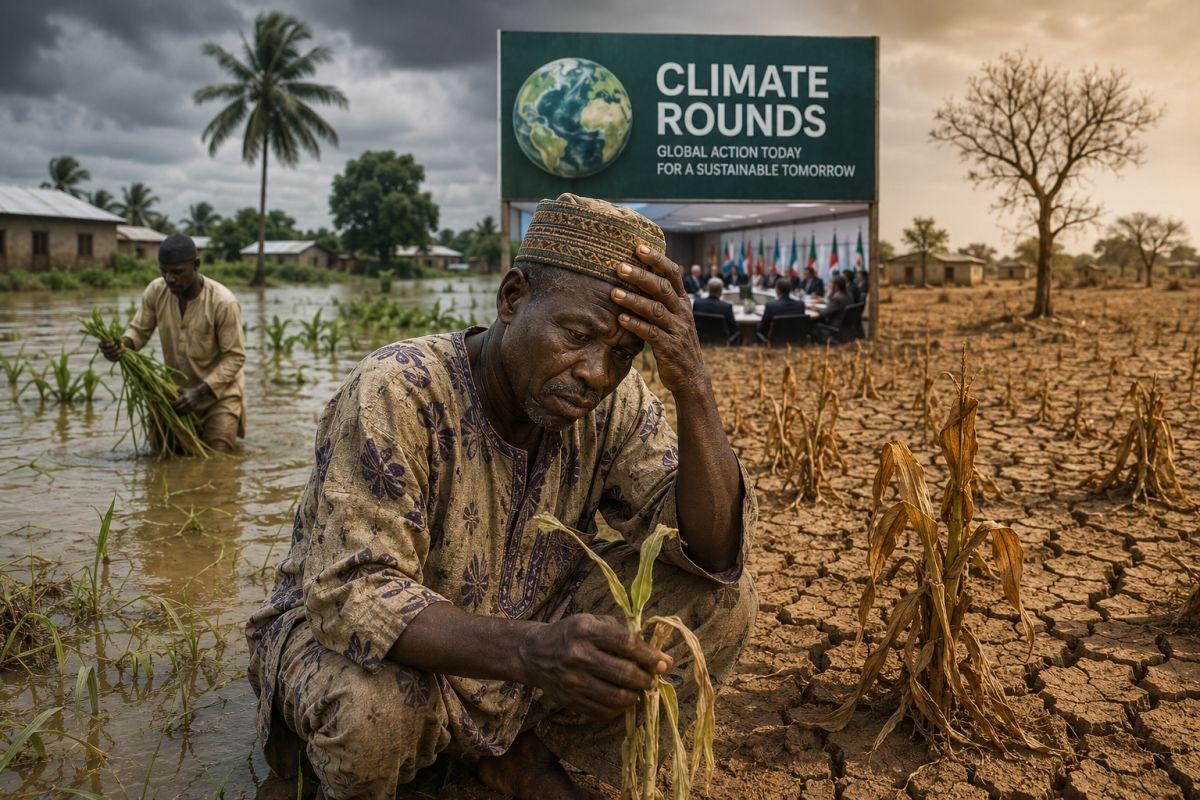
As global leaders and environmental experts convene for another round of climate discussions, often termed "climate rounds," the tangible impacts of a changing climate are already a stark reality for communities across the world, particularly for Nigerian farmers. These international dialogues aim to forge agreements and strategies to mitigate global warming, but for millions of Nigerians, the effects are not distant projections but immediate challenges affecting their livelihoods and the nation's food security.
One of the most profound effects felt by Nigerian farmers is the increased frequency and intensity of extreme weather events. Regions traditionally known as Nigeria's food basket are now grappling with unprecedented natural disasters. For instance, farmers in states like Benue, Anambra, and Kogi have faced devastating floods in recent years, submerging vast hectares of farmlands and destroying staple crops such as rice, yam, and cassava. The National Emergency Management Agency (NEMA) has consistently reported significant agricultural losses, with floods in 2022 alone displacing over 1.4 million people and directly impacting farming communities. Conversely, parts of the northern states, including Borno and Yobe, are experiencing prolonged dry spells and desertification, leading to crop failure for grains like millet and sorghum, and exacerbating water scarcity.
Adding to the complexity is the erratic and unpredictable nature of rainfall patterns. Farmers, who traditionally relied on centuries-old knowledge of planting and harvesting seasons
Comments
(0)0/500 · No URLs or profanity allowed
While global leaders debate climate strategies, Nigerian farmers are already battling immediate impacts on livelihoods and food security. Extreme weather is a stark reality, not a distant projection, for millions.
Related Stories

Nigerian Tech Talent Abroad: Navigating Global Layoffs & AI Shifts

Naija Abroad: How Diaspora Earnings Shape Nigerias Economy

Unlocking Africa: How Nigerian Businesses Can Thrive with AU Trade Pacts
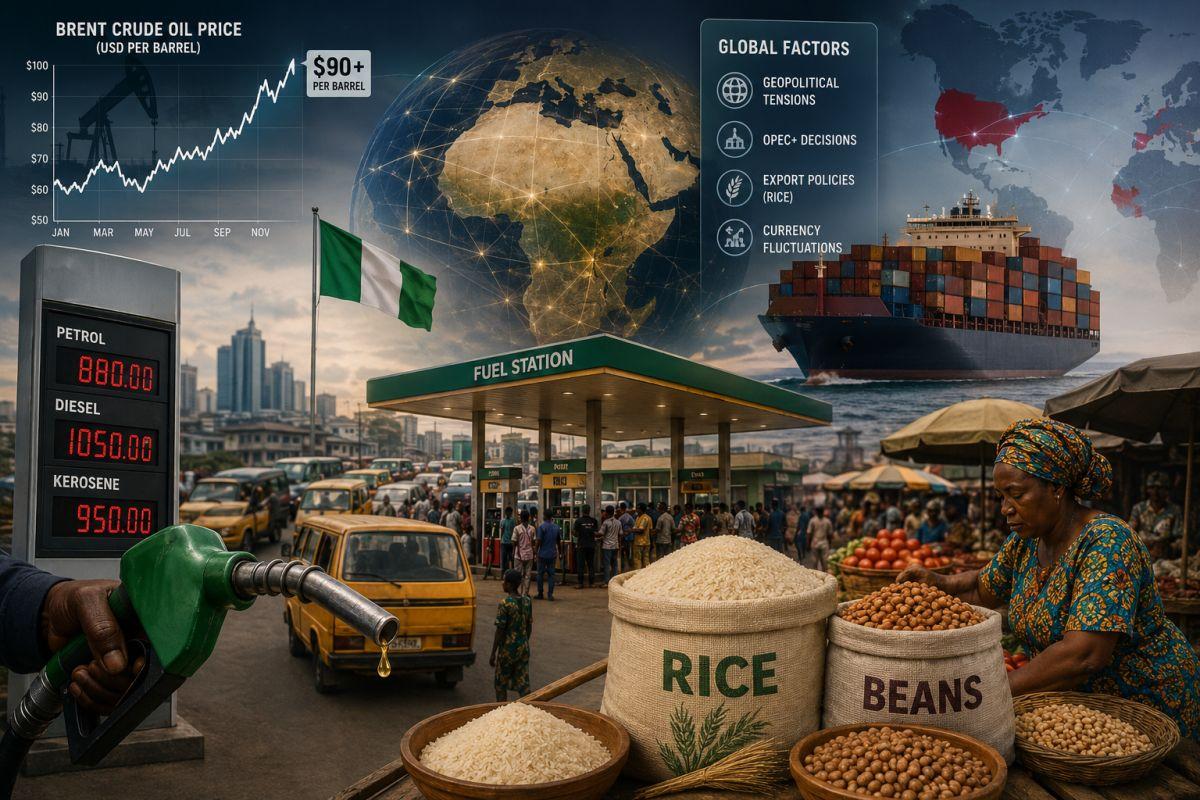
Global Shocks, Naija Prices: How World Events Hit Your Wallet & Market Basket

Global Tech Layoffs: A Wake-Up Call for Nigerian Developers Abroad?