Nigerian Farmers Confront Climate Change: A Fight for Food Security
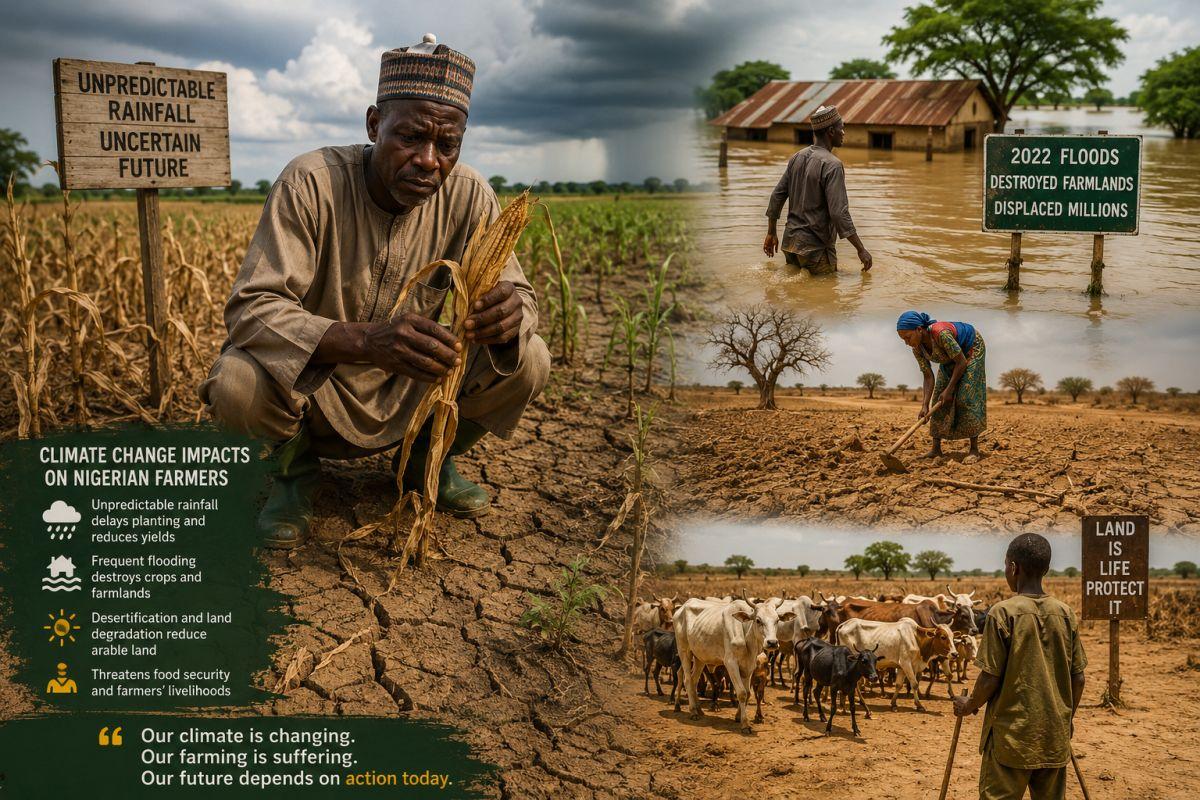
As global leaders and climate scientists convene for another round of discussions on climate change, the tangible effects of a warming planet are already a daily reality for millions of Nigerians, particularly those in the agricultural sector. While international negotiations often focus on ambitious targets and technological solutions, farmers across Nigeria are grappling with immediate, observable shifts in weather patterns that directly impact their livelihoods and the nation's food security. This article explores how Nigerian farmers are experiencing these changes firsthand.
One of the most profound impacts is the increasing unpredictability of weather patterns, particularly rainfall. Historically, Nigerian farmers relied on established seasonal calendars for planting and harvesting. However, these traditional indicators are becoming unreliable. In states like Kaduna and Kano, where maize and sorghum are staple crops, farmers report delayed onset of the rainy season, pushing back planting dates and reducing the crucial growth period for crops. Conversely, some regions experience sudden, intense downpours that cause soil erosion and waterlogging, damaging young seedlings. The disruption means that a farmer who plants too early risks crop failure due to insufficient moisture, while planting too late might miss optimal growth conditions, leading to significantly reduced yields. Nigeria's agriculture sector, which accounts for approximately 25% of the nation's Gross Domestic Product, is highly vulnerable to such climatic variations.
Beyond erratic rainfall, the increased frequency and intensity of flooding have become a devastating challenge. Riverine communities and those in low-lying areas, particularly in states like Kogi, Benue, and Delta, have witnessed extensive destruction of farmlands. The catastrophic floods of 2022, for instance, submerged vast expanses of agricultural land, destroying rice paddies, cassava farms, and fish ponds, and displacing millions of people. These events not only lead to immediate crop losses but also cause long-term soil degradation, making it harder for affected farmers to recover and plant in subsequent seasons. The loss of a single harvest can push smallholder farmers into deeper poverty, exacerbating food insecurity for their families and communities.
Further north, farmers are contending with the relentless march of desertification and land degradation. States such as Borno, Yobe, and Katsina are experiencing a significant reduction in arable land as fertile soil gives way to arid conditions. This phenomenon is driven by a combination of reduced rainfall, increased temperatures, and unsustainable land use practices. The shrinking availability of productive land forces farmers to cultivate marginal areas, leading to lower yields and increased competition for resources. Livestock farmers are also affected, as grazing lands diminish, leading to conflicts over pasture and water. It is estimated that Nigeria loses an average of 350,000
Comments
(0)0/500 · No URLs or profanity allowed
Climate change is a daily reality for Nigerian farmers, impacting livelihoods and food security. While global leaders discuss, local farmers battle immediate shifts in weather patterns.
Related Stories
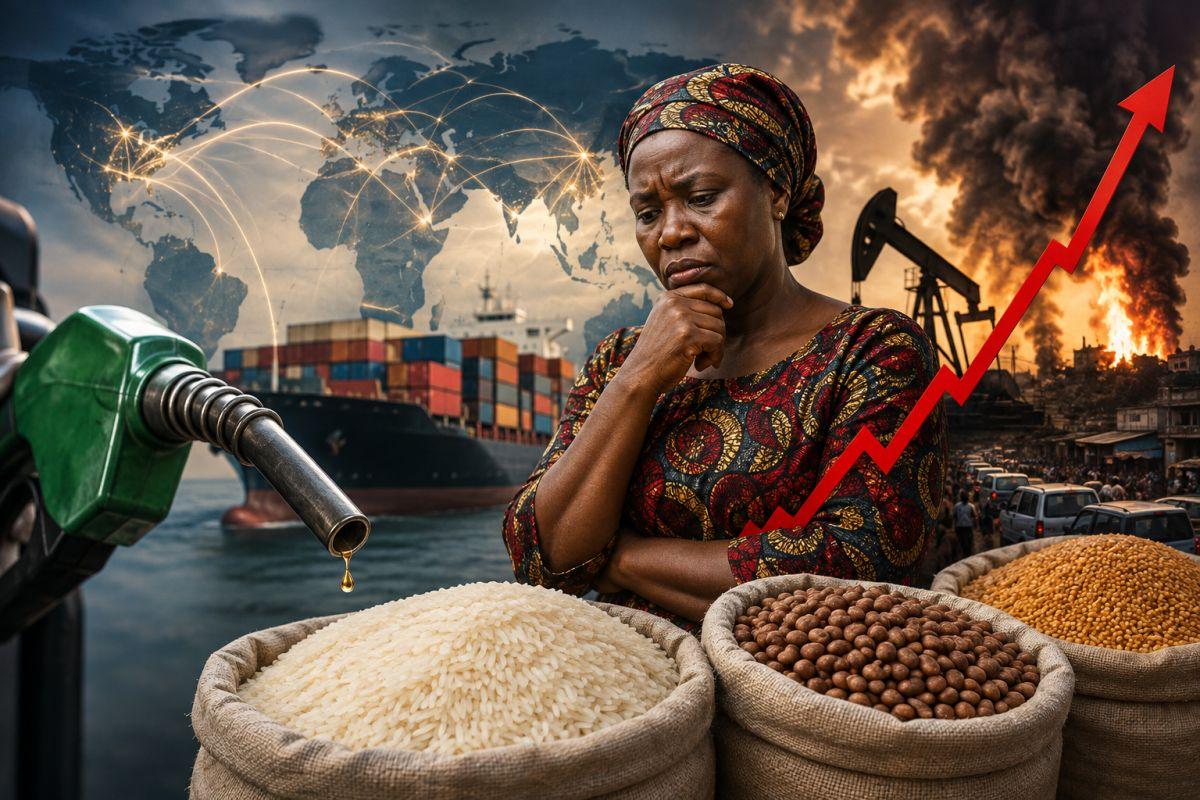
From Global Crisis to Your Kitchen: Why the Price of Rice, Fuel and Food Keeps Rising in Nigeria

How Global AI Regulations Could Impact Nigeria

Florida Mall Incident: Ex-NFL Player Stedman Bailey Arrested Over Public Indecency

Artisans in Ondo State Seek FG Empowerment Under Tinubu's Renewed Hope Agenda
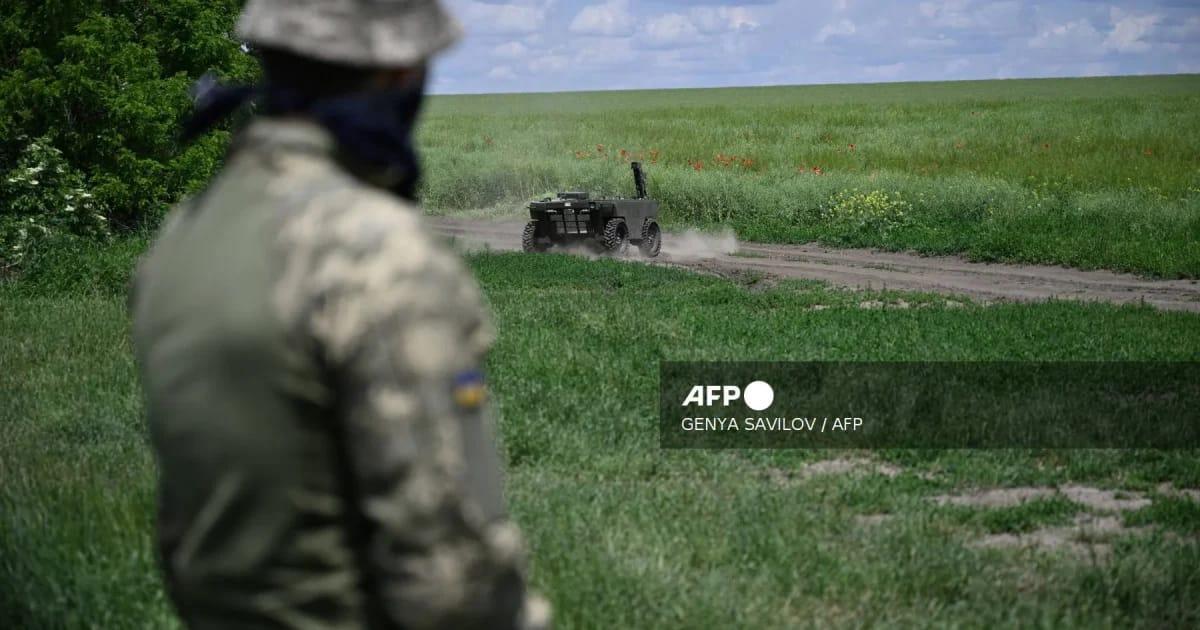
Russian Recruitment Trap: Equatorial Guinea Youth Shares Chilling Ukraine War Experience