From Global Crisis to Your Kitchen: Why the Price of Rice, Fuel and Food Keeps Rising in Nigeria
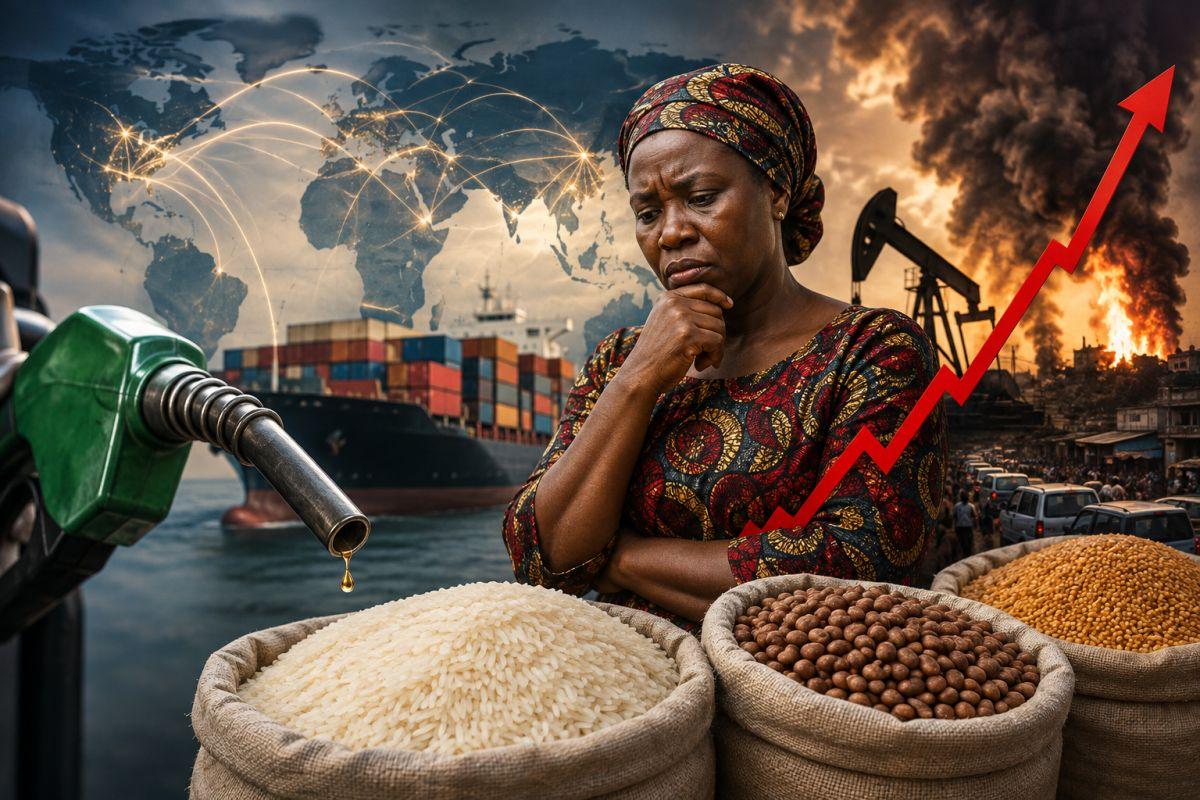
Welcome to NaijaPodNews, where we connect global headlines to your daily realities. Today, we're exploring a critical question that impacts every Nigerian household: how do distant global events ripple across continents to influence the prices of essential commodities like rice, beans, and fuel right here at home? Understanding these connections is key to navigating our economic landscape.
Nigeria, despite its significant natural resources and agricultural capacity, remains deeply intertwined with the global economy. Fluctuations in international markets, geopolitical tensions, and even climate patterns in faraway lands can directly translate into higher costs at your local market or petrol station. Let's delve into some specific ways this plays out.
One of the most immediate and impactful connections is between global crude oil prices and the cost of fuel in Nigeria. As a major oil-producing nation, it might seem counterintuitive that Nigeria is so sensitive to international oil benchmarks like Brent crude. However, Nigeria largely imports refined petroleum products due to insufficient local refining capacity. This means that the landing cost of petrol, diesel, and kerosene is directly tied to global crude prices, which are denominated in US dollars.
For instance, geopolitical conflicts such as the Russia-Ukraine war, or decisions by the Organization of the Petroleum Exporting Countries (OPEC+) to adjust production quotas, can significantly sway global crude prices. When these prices rise, perhaps from $70 to $90 per barrel, the cost of importing refined fuel into Nigeria increases proportionally. This rise is then passed on to consumers at the pump, affecting transport costs for goods and people, and increasing operational expenses for businesses reliant on fuel, leading to broader inflationary pressures across the economy. Furthermore, the value of the Naira against the US Dollar also plays a crucial role; a depreciation of the local currency means it costs more Naira to purchase the same quantity of dollar-denominated fuel, exacerbating price hikes.
Beyond fuel, global agricultural dynamics heavily influence the price of staple foods like rice. Nigeria is a major consumer and producer of rice, but still relies on imports to meet domestic demand.
Comments
(0)0/500 · No URLs or profanity allowed
Welcome to NaijaPodNews, where we connect global headlines to your daily realities. Today, we're exploring a critical question that impacts every Nigerian household: how do distant global events ri...
Related Stories

How Global AI Regulations Could Impact Nigeria

Promoter Frank Warren Anticipates November Showdown for Fury and Joshua

Zari The Boss Lady Sparks Debate with Comments on Financial Responsibility in Relationships
Maraji Blasts Man Over Ageist Comments on Peller and Jarvis' Marriage
Tinubu Greenlights Mainstream Jobs for Over 3,000 PTA Educators