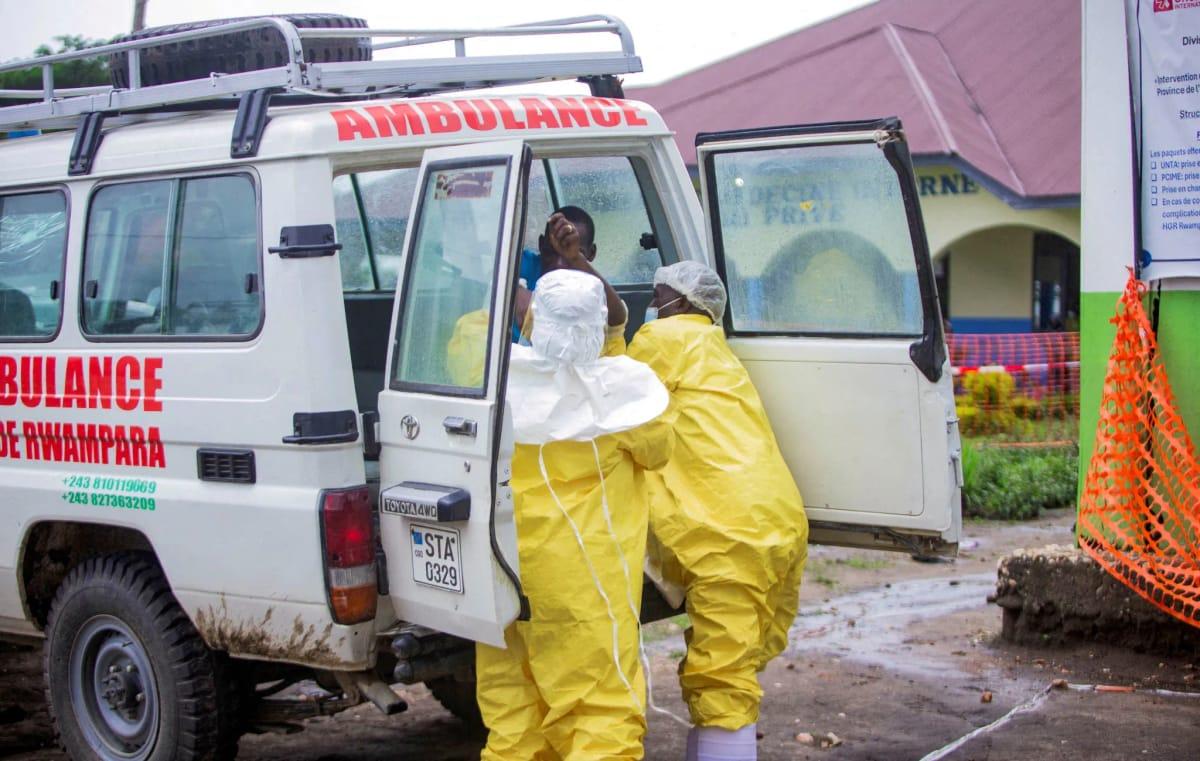
Northern Nigerias Midwives: Saving Mums & Babies, One Village at a Time
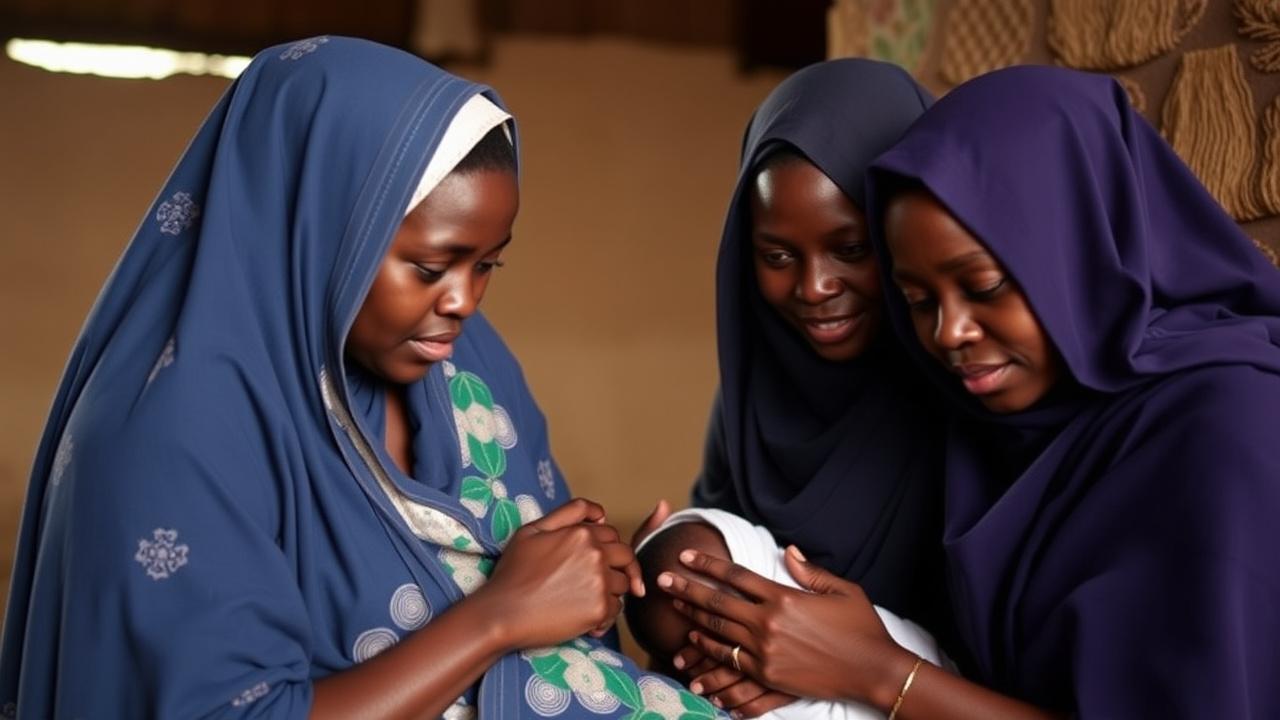
In the vast, often underserved landscapes of rural northern Nigeria, a quiet revolution is unfolding, led by a dedicated cadre of healthcare professionals: midwives. Far from the bustling city hospitals, these frontline workers are consistently proving to be vital lifelines, dramatically improving maternal and child health outcomes in communities where access to medical care is often a significant challenge. Their presence in primary health centres and remote outposts is not just about providing medical services; it's about building trust, imparting knowledge, and ultimately, saving lives.
One of the most critical roles midwives play is in providing comprehensive antenatal care (ANC). Many women in rural northern Nigeria previously had little to no access to regular check-ups during pregnancy. Midwives bridge this gap by offering routine consultations, monitoring fetal development, and screening for potential complications such as pre-eclampsia, anaemia, and gestational diabetes. For instance, a midwife in a primary health centre in a remote village in Kaduna State might identify a pregnant woman with dangerously high blood pressure during a routine visit, enabling timely referral to a general hospital and preventing life-threatening eclampsia for both mother and child. This early detection and intervention are crucial in reducing the high maternal mortality rates that have historically plagued the region.
Furthermore, midwives are instrumental in ensuring safe deliveries, which is a cornerstone of reducing both maternal and neonatal mortality. A significant number of births in rural northern Nigeria traditionally occur at home, often without skilled attendance, leading to increased risks of complications like prolonged labour, haemorrhage, and infections. Midwives are trained to manage normal deliveries, identify warning signs of complications, and perform essential interventions. In communities across states like Katsina and Zamfara, midwives are empowering women to deliver in health facilities, offering skilled assistance that can mean the difference between life and death
Comments
(0)0/500 · No URLs or profanity allowed
Dedicated midwives are revolutionizing maternal and child health in rural Northern Nigeria. They are vital lifelines, building trust and saving lives where access to care is scarce.
Related Stories

Kwara State Embarks on Ambitious Plan to Enhance Newborn and Maternal Care

Nigerian Singer, Paschal Nworgu, Clashes with Woman Who Begged Him for N100,000
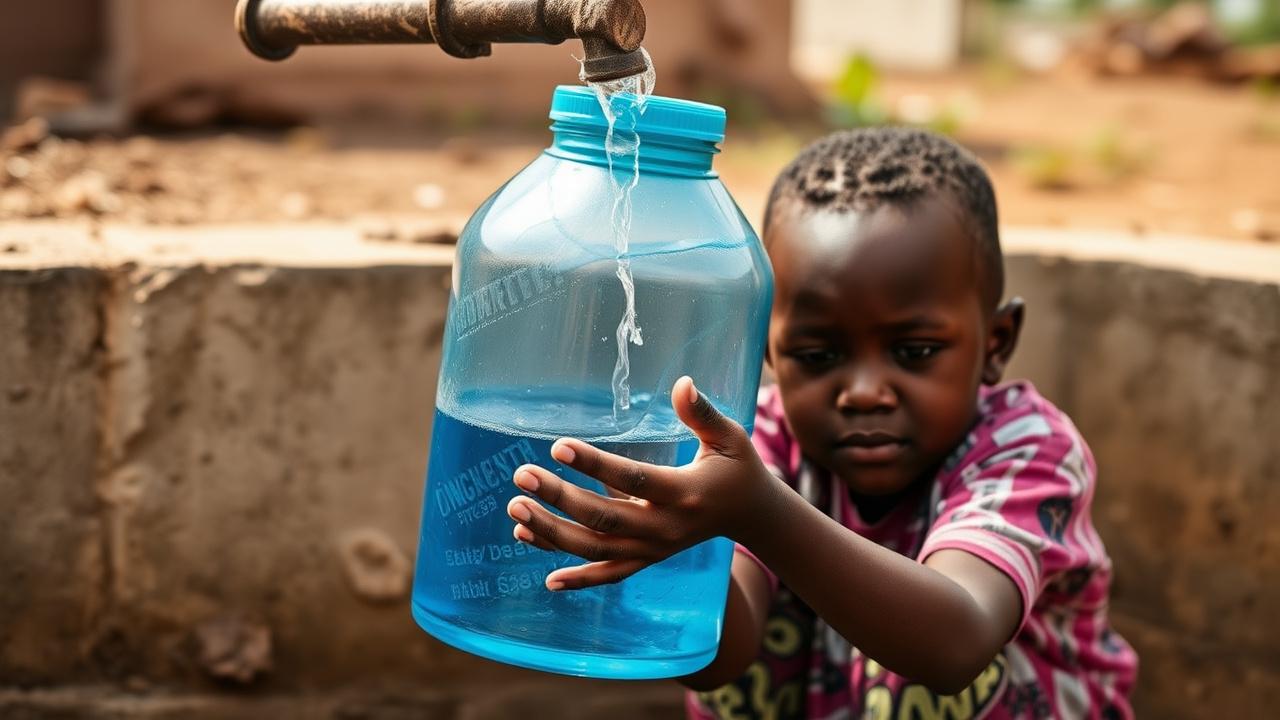
Clean Water Crisis: Saving Nigerias Children from Preventable Illnesses
Nigerian Nurse Shares Colleague's Skin Reaction After Lenacapavir HIV Prevention Jab
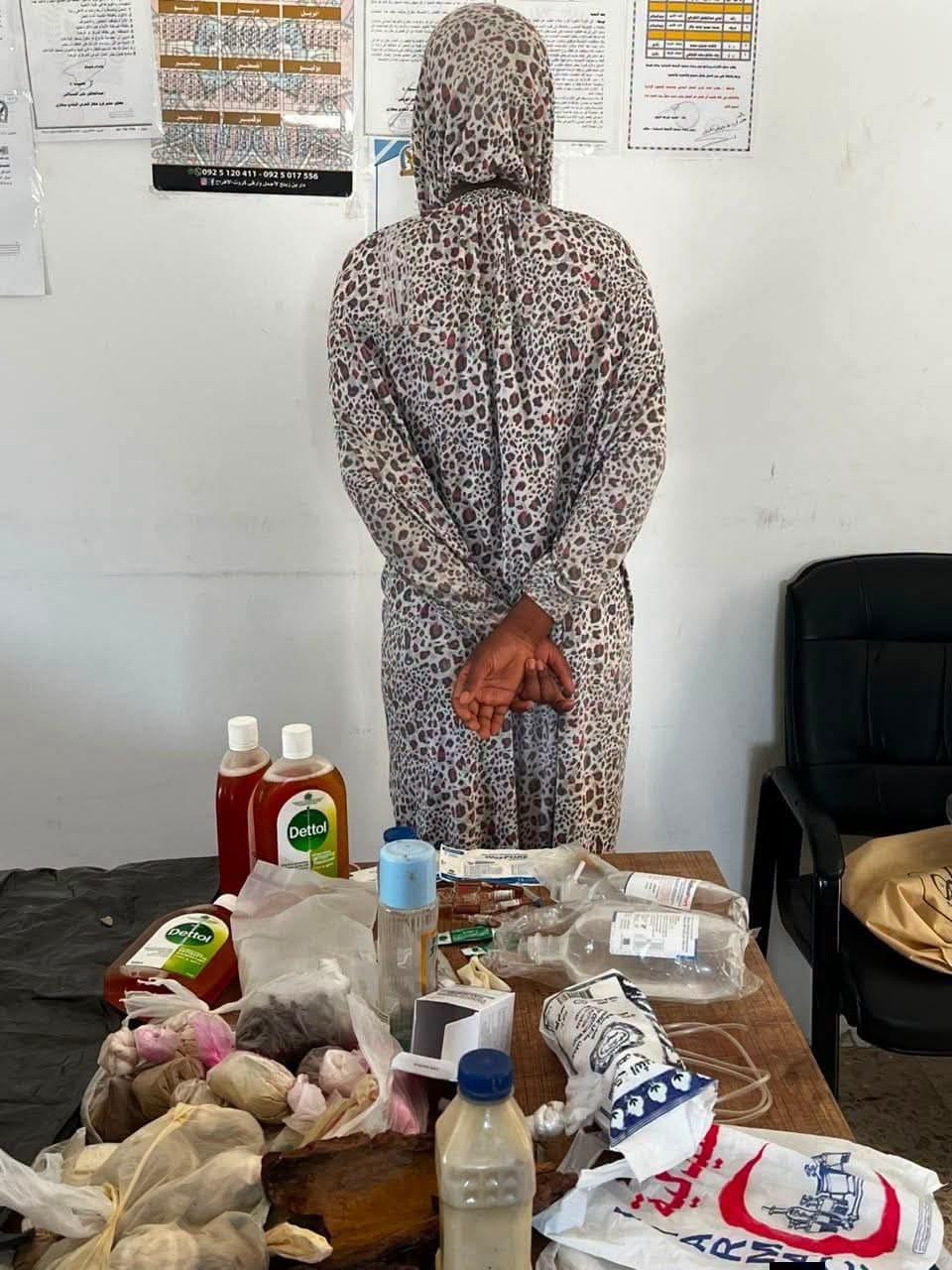
Libyan Authorities Bust Nigerian Operated Secret Abortion Clinic in Benghazi