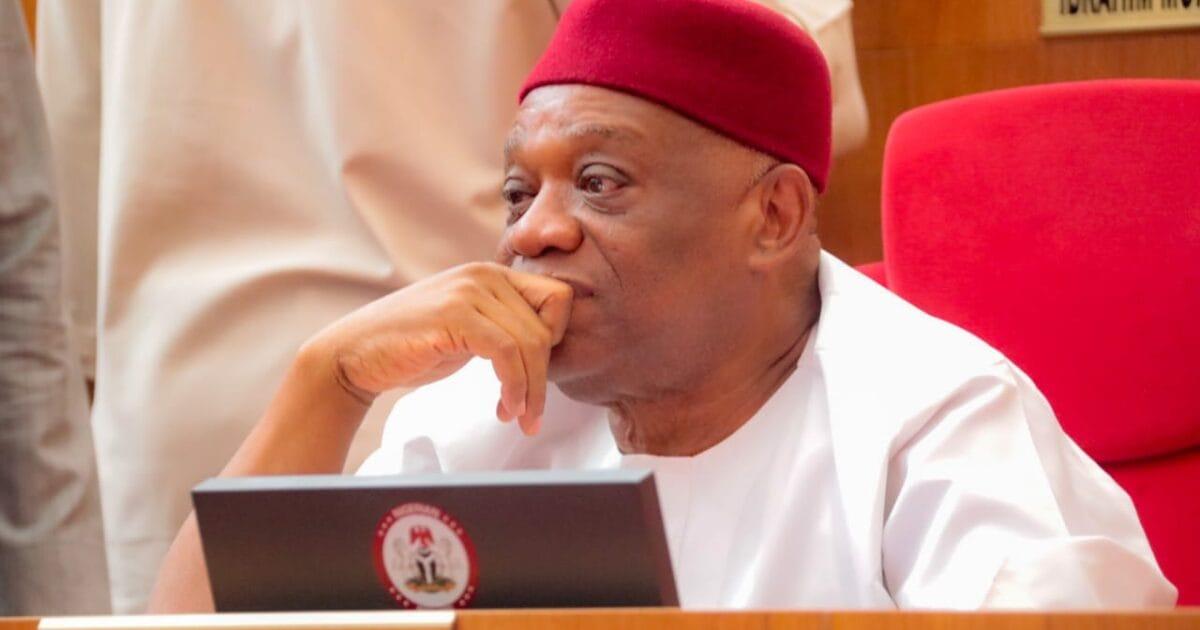
Speaker Abbas Charts Reps' Path: State Police, Women's Seats, MTEF Top Agenda
Full Story
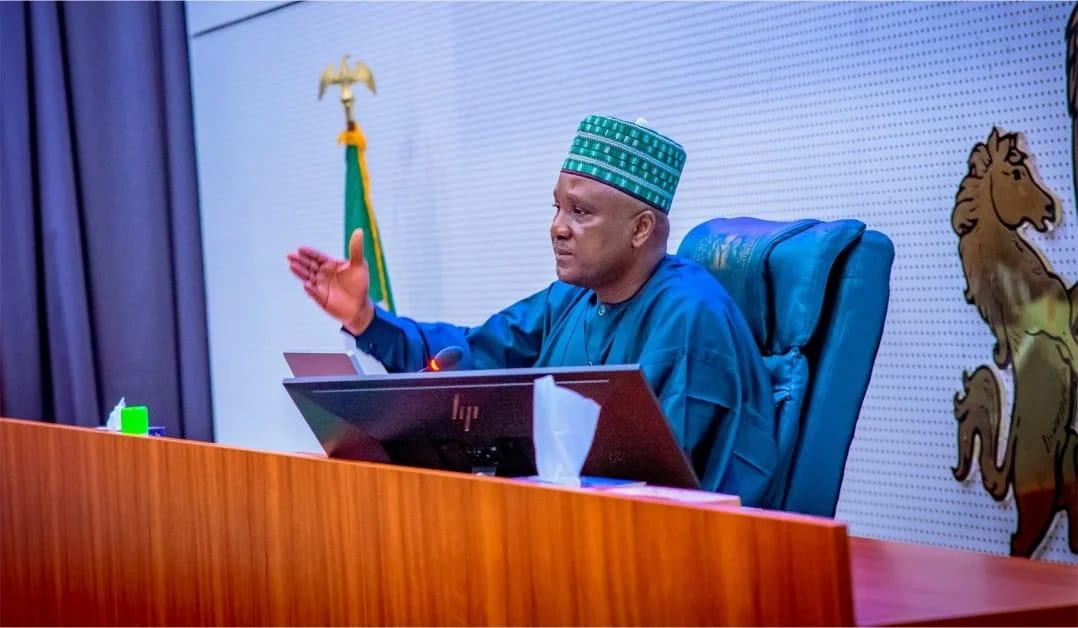
Speaker Tajudeen Abbas, leading the House of Representatives, has introduced a comprehensive 100-day legislative plan designed to fast-track pending legislation, finalize outstanding committee reports, and enhance oversight functions. Addressing members on Tuesday at the National Assembly in Abuja, as plenary resumed following the House's annual recess, Abbas cautioned against allowing early campaigning for the 2027 general elections to overshadow their constitutional obligations. He implored parliamentarians to maintain unwavering focus on their legislative duties, even as political momentum builds for the upcoming elections. Emphasizing the commitment owed to constituents, the Speaker asserted, “The campaign must never become more important than the country,” reminding them of their full term of service.
Furthermore, Abbas advocated for better attendance at both plenary sessions and committee meetings. Under the new programme, Tuesdays and Thursdays are earmarked for addressing significant bills and critical national matters. The Speaker announced that the 10th Assembly intends to release a detailed legislative scorecard and a legacy report before its conclusion, allowing Nigerians to evaluate its achievements against stated commitments. He declared, “We must bring the constitutional review process to a responsible conclusion,” highlighting the proposed State Police Bill, the Reserved Seats for Women Bill, and other outstanding constitutional amendment bills as top priorities demanding continuous collaboration with the Senate and state legislative bodies.
In a related appeal, the Speaker pressed the executive arm of government to promptly submit the Medium-Term Expenditure Framework (MTEF) for the 2027 budget. This, he explained, would ensure ample time for legislative examination and enable the swift passage of the Appropriation Bill. Abbas confirmed the House's commitment to prioritizing bills and requests forwarded by President Bola Tinubu. These include the National Research Development Fund Bill and a proposal to domesticate the Geneva Conventions alongside their associated protocols. Abbas underscored the national and diplomatic importance of domesticating these conventions, stating it would enhance safeguards for civilians, injured individuals, and prisoners during armed conflicts.
Regarding electoral processes, the Speaker urged strict adherence to the Electoral Act and robust support for the Independent National Electoral Commission (INEC). He maintained that all public bodies participating in elections must demonstrate neutrality, proficiency, and discretion. Abbas revealed that, as of mid-June 2026, the House had received 2,747 bills and successfully passed 363. He highlighted an improvement in the passage rate, which climbed from about seven percent in the first session to approximately 26 percent in the third session. Additionally, the House has addressed numerous motions and public petitions, with internal evaluations indicating that 65 to 70 percent of its legislative agenda's primary objectives have been met. Nevertheless, the Speaker warned against evaluating legislative productivity solely by the quantity of bills enacted. He articulated, “A law must solve a problem. A motion must lead to action. An investigation must protect the public interest. Oversight must improve the management of public resources,” concluding that the true gauge of the House’s effectiveness lies in the tangible impact its work has on the citizenry.
Abbas underscored that the 10th Assembly is now in its fourth and concluding session. This necessitates that lawmakers finalize critical legislation, wrap up pending investigations, and reinforce oversight responsibilities before their term concludes. While acknowledging the political realignments and cross-party defections that transpired during the recess, he appealed to members not to permit partisan agendas to compromise the integrity of the institution. He reminded them, “Whatever our political affiliations or personal ambitions, we remain members of one House. We are bound by one Constitution and one oath.”
The Speaker also advocated for enhanced accountability in managing rising public revenues, particularly at the state and local government tiers. He argued that increased income should directly translate into better infrastructure, education, healthcare, and security for the populace. While recognizing positive shifts in certain economic metrics, such as reduced inflation and expanded external reserves, Abbas insisted that these improvements must manifest as affordable food, meaningful employment, accessible credit, and dependable public services for ordinary Nigerians.
Furthermore, Abbas voiced apprehension regarding the security concerns and natural calamities reported during the recess. These included the abduction of schoolchildren in Borno, instances of attacks and displacement in areas of Ondo, and severe flooding and erosion impacting Enugu and Abia states. He reaffirmed the House's ongoing legislative backing for security forces, simultaneously stressing the imperative for transparency and responsibility in the deployment of public funds and authority.
The Speaker additionally defended a decision made by the House in September
Comments
(0)0/500 · No URLs or profanity allowed
Speaker Abbas don draw road map for Reps, say make dem focus on state police and women's seats, plus check 2027 budget well-well. E warn say election mata no suppose make dem forget dia work for Nigerians. We go dey watch if dem go truly deliver on these promises or na just talk talk.
Source: Punch NG
Related Stories
Atiku's Aide Presses Wike on FCT Media Parley Funding Transparency
Tinubu Urges Reps to Sanction N100.5bn Yobe Airport Payout
Prominent Leaders Convene in Kogi for PBAT Door-To-Door Movement Launch
FCT Minister Wike Allays APC Governors' Worries Over Rainbow Coalition
APGA Approves Governor Soludo's Role in Tinubu's 2027 Presidential Bid