Breaking: NASS Dispatches State Police Bill to State Assemblies Nationwide
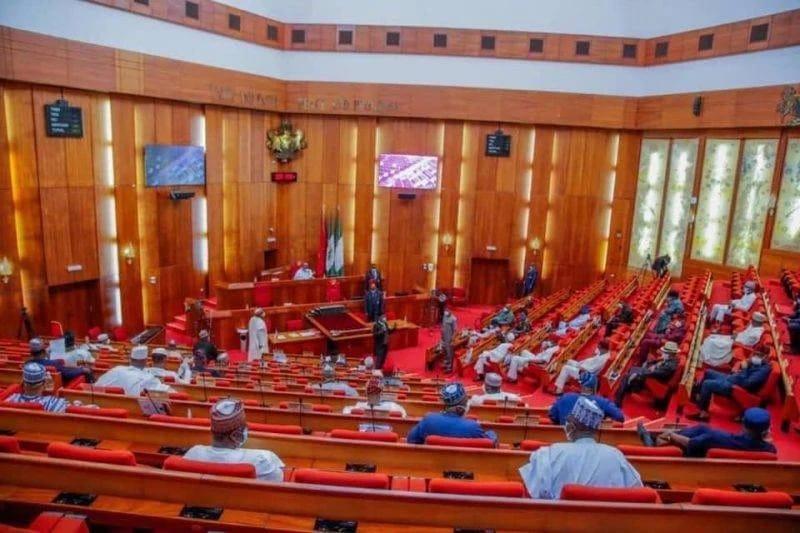
The National Assembly is poised to transmit the Constitution Alteration Bill, which seeks to establish state police, to the legislative houses of all 36 states this week. This move signals a crucial next phase in one of Nigeria's most significant security reforms. This development follows the Senate's recent passage of the landmark constitutional amendment, as lawmakers now aim to secure endorsement from at least 24 state legislatures before the bill can be forwarded to President Bola Tinubu for his assent.
Senator Yemi Adaramodu, who chairs the Senate Committee on Media and Publicity, confirmed this progress in an exclusive conversation with The PUNCH on Sunday. He stated that all necessary arrangements for the transmission have been finalized. According to Adaramodu, state legislatures and governors are already anticipating the bill, having engaged in consultations prior to its passage by the National Assembly. He remarked, “The bill for the creation of state police will get to the states this week. The states’ speakers have met and are awaiting the bill from the National Assembly. The state governors are expecting it too, even with their presence in the Senate chamber when the bill was being considered and passed.”
The impending transmission marks the commencement of the final constitutional hurdle for the proposed amendment. For it to become law, Section 9 of the 1999 Constitution mandates approval by not less than two-thirds of the 36 state Houses of Assembly. Support for the proposal has grown steadily since the Senate approved the amendment, following a detailed clause-by-clause review of the report presented by the Senate Committee on the Review of the Constitution, led by Deputy Senate President Barau Jibrin.
This legislation proposes a dual policing structure, granting state governments the authority to establish and manage police services within their jurisdictions. Concurrently, it preserves the Nigeria Police Force's constitutional mandate over national security matters such as terrorism, border security, cybercrime, arms trafficking, and other federal offenses. To alleviate long-standing concerns about potential misuse by state governments, lawmakers have embedded several safeguards within the bill. These provisions prohibit state police authorities from targeting individuals or groups for criticizing governments and empower the Federal Government to intervene in situations involving threats to national security, public order breakdown, or fundamental human rights violations.
The proposed reform has garnered significant support from governors, state legislature speakers, and prominent political figures across the country. The Conference of Speakers of State Legislatures in Nigeria previously endorsed the bill, with its Chairman and Speaker of the Delta State House of Assembly, Emomotimi Guwor, assuring Nigerians of diligent consideration by all state houses of assembly. Several governors have also welcomed the amendment, viewing it as a timely solution to the escalating insecurity nationwide. Benue State Governor, Hyacinth Alia, for instance, lauded the Senate's passage of the bill as a pivotal step towards enhancing Nigeria’s security framework. He argued that state police would possess superior understanding of local terrains and community dynamics, thereby boosting intelligence gathering and response to criminal activities.
Similarly, the Forum of Progressive Speakers of State Legislatures, under the All Progressives Congress, pledged to expedite its ratification in APC-controlled assemblies and promised robust oversight mechanisms to ensure professionalism and respect for human rights. The Labour Party also backed the proposal, describing the Senate’s action as a crucial milestone in the pursuit of strengthening internal security through community-based policing. While acknowledging concerns about potential abuse by governors, the party expressed confidence in the constitutional safeguards integrated into the amendment.
However, the Peoples Redemption Party voiced opposition, questioning the timing of the initiative and urging Nigerians to reject it. The party argued that the current administration lacks the credibility to oversee such a fundamental restructuring of the nation’s policing system. Despite these reservations, the bill's planned transmission this week is expected to initiate deliberations across the 36 Houses of Assembly. Lawmakers will conduct public hearings, engage stakeholders, and undertake legislative scrutiny before voting on the constitutional amendment. Should at least 24 state assemblies endorse the proposal, it will pave the way for President Bola Tinubu’s assent, potentially resolving decades of debate over policing decentralization and ushering in what many stakeholders believe could be the most substantial reform of Nigeria’s internal security architecture since the return to democratic rule in 1999.
Meanwhile, the Senate on Sunday defended its passage of the state police bill, asserting that the 84 senators who supported it were responding to Nigeria's worsening security challenges. The upper chamber maintained that the bill resulted from years of consultations, public engagements, and broad national consensus, emphasizing that delaying the proposal for political considerations ahead of the 2027 general election would be inappropriate. This stance comes amid ongoing debate over the constitutional amendment bill, with proponents arguing that decentralizing policing will enhance grassroots security, while critics fear that state police could be exploited by governors to intimidate political rivals.
In a statement issued by his media office on Sunday, the Leader of the Senate, Opeyemi Bamidele, defended the Senate’s decision, stating that the proposal was “purely a child of necessity and not of political expediency as well as a product of national consensus and not of cynicism.” He insisted that the establishment of state police has become an urgent national priority that should not be sacrificed for anyone’s political ambition. According to him, the process leading to the bill's passage did not begin recently but evolved through extensive constitutional review engagements involving key stakeholders across the country. Despite some dissenting views, Bamidele noted that observations indicated widespread public acceptance of the bill, with the belief that it would significantly improve security at the sub-national level.
He further explained, “The state police proposal was part of memoranda submitted to the Senate Ad hoc Committee on the Review of the 1999 Constitution. The memorandum had been subjected to a rigorous process and multi-tiered consultation across the federation due to its sensitive nature. During this process, the National Assembly broadly consulted the executive, the Nigeria Governors’ Forum, the Conference of Speakers of the State Legislatures of Nigeria and the leadership of the Nigeria Police, among others. In July 2025, the National Assembly conducted public hearings in all geopolitical zones, and the participants overwhelmingly approved it. At each level of our consultation, nearly all stakeholders embraced the State Police Bill in the light of stark realities we are facing today.” The Senate Leader added that the Nigerian Police actively contributed to the drafting of the constitutional amendment, offering recommendations that helped lawmakers incorporate safeguards against potential abuse of state police by political actors. These recommendations, he said, form part of the accountability and oversight mechanisms embedded in the legislation to ensure that state police operate within constitutional limits.
Comments
(0)0/500 · No URLs or profanity allowed
Finally, the state police bill don reach state assemblies. Dem say na to tackle insecurity, but some people dey fear say governors fit abuse am. We go see if dis one go truly bring peace or just more wahala.
Source: Punch NG
Related Stories
Tinubu Hails Fashola's Legacy at 63rd Birthday Celebration
Abia North Stakeholders Back Governor Otti for Re-election
Nasarawa South APC Stakeholders Eye Deputy Governor Slot Ahead of 2027 Polls

Ogun Residents Warned by SAN, INEC Against Vote-Buying for 2027 Polls

Kogi West Traditional Rulers Boost Security Collaboration in Okunland