FG Urged to Deepen Ties with Traditional, Religious Leaders for National Unity
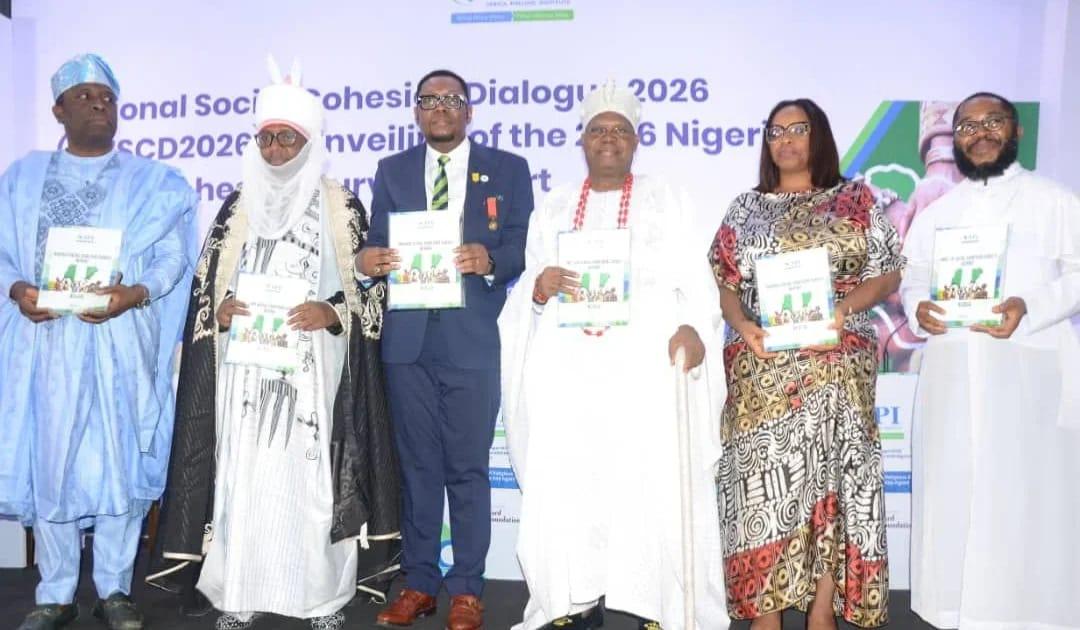
Key stakeholders on Thursday called on the Federal Government to increase its collaboration with traditional and religious institutions, recognizing them as crucial allies in fostering national unity, promoting peace, and strengthening social cohesion. They emphasized that these institutions remain among the most trusted channels for mobilizing citizens across Nigeria’s diverse communities.
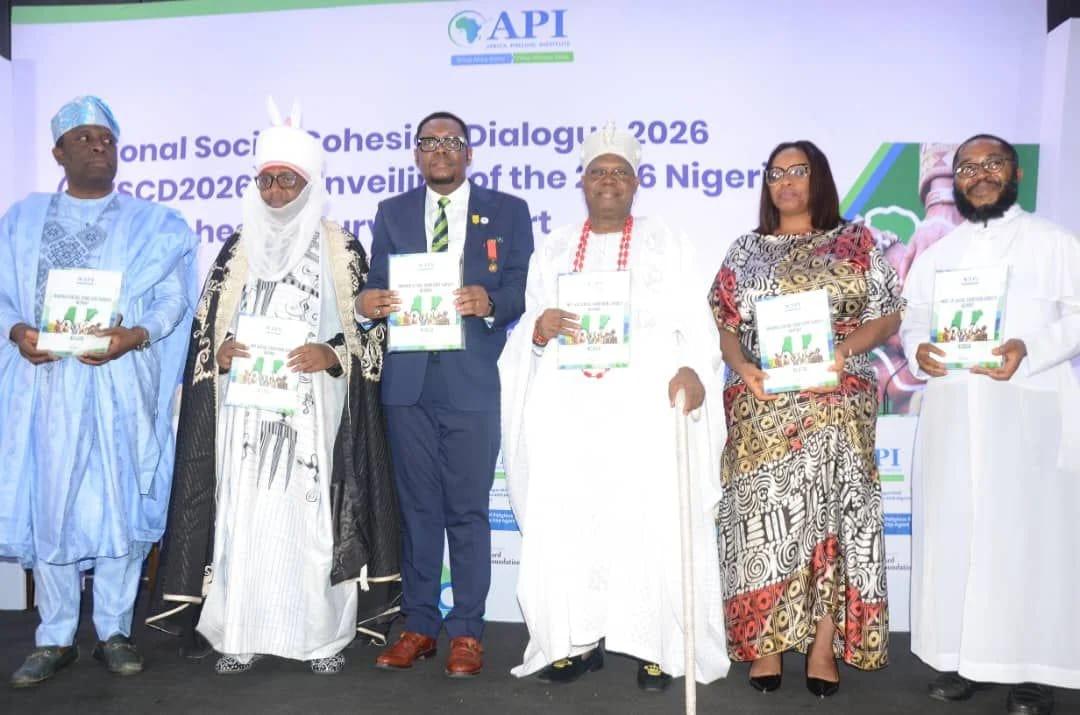
This appeal was made during the 2026 National Social Cohesion Dialogue, an event organized by the Africa Polling Institute (API) in Abuja. The dialogue brought together policymakers, traditional rulers, religious leaders, development partners, and civil society representatives to analyze the current state of social cohesion in Nigeria and develop strategies for greater national integration. The event, themed “Strengthening the Role of Religious and Traditional Institutions as Key Agents of Social Cohesion,” also featured the presentation of findings from the 2026 Nigeria Social Cohesion Survey, a significant study backed by the Ford Foundation.
The dialogue occurred amidst ongoing security challenges, economic hardships, ethno-religious tensions, and increasing public distrust in government bodies. In recent times, traditional rulers and faith leaders have increasingly taken on roles in mediating communal disputes, initiating peace efforts, and delivering humanitarian aid across various regions of the country.
Professor Bell Ihua, API Executive Director, presented the survey results, revealing that Nigeria’s Social Cohesion Index had climbed to 48.8 per cent in 2026. This marks a two-percentage-point rise from the previous year and represents the highest level recorded since the survey’s inception. While this score is still slightly below the 50 per cent threshold indicating stronger social cohesion, Ihua noted that the improvement underscores Nigerians' resilience and enduring commitment to peaceful coexistence despite prevailing difficulties.
A significant discovery from the survey, according to Ihua, was a noticeable change in how citizens self-identify. He stated, “For the first time since the inception of the study, a majority of respondents identified primarily as Nigerians rather than by ethnic, religious or regional affiliations. This shift represents an important milestone in the country’s nation-building journey and points to a strengthening sense of shared national identity.”
However, the survey also highlighted a persistent lack of trust in governmental institutions, contrasted with the comparatively high confidence placed in religious and traditional leaders. Ihua elaborated that the Nigeria Social Cohesion Project assesses the relationships among citizens and their readiness to cooperate across ethnic, religious, and political divides to achieve national stability and prosperity. He explained that the 2026 survey evaluated 14 key indicators, including identity, trust, social justice and equity, civic participation, tolerance, gender equality, disability inclusion, corruption, accountability, security, migration, and future expectations.
Speaking on behalf of the Ford Foundation, Programme Officer Onyinye Onyema-Obi described Nigeria’s diversity as a major asset, but cautioned that it requires deliberate management and responsible leadership to prevent social divisions from hindering national development. She emphasized the unique position of traditional and religious leaders as guardians of culture, values, and community trust. Onyema-Obi asserted, “Beyond preserving heritage and spiritual values, they serve as authoritative voices that shape attitudes, influence behaviour and guide communal responses to evolving social realities.” She added that the rise in insecurity, social polarization, and misinformation has further amplified the importance of trusted community leaders in fostering dialogue and rebuilding public confidence, stating, “The establishment of a peaceful Nigeria cannot be achieved solely through policies and institutions. It must be built on interpersonal relationships and the exemplary conduct of leaders who inspire communities to prioritise cooperation over division.”
Most Rev. Ignatius Kaigama, the Archbishop of the Catholic Archdiocese of Abuja, whose address was delivered by Rev. Fr. Emmanuel Unamba, commented that the survey findings should serve as a wake-up call for both political leaders and community stakeholders. Kaigama noted that while public confidence in government institutions continues to wane, the sustained trust enjoyed by traditional and religious institutions offers an opportunity to bolster national cohesion and deepen citizens’ commitment to the Nigerian project. Citing both Christian and Islamic teachings, he argued that peace, solidarity, and mutual respect are universally shared values across faith traditions and should guide efforts to resolve the nation’s social and political challenges. He cautioned, “It is dangerous when people prioritise private identity above national identity. Citizens should proudly retain their cultural and religious identities, but these should not supersede commitment to the Nigerian project.”
The Archbishop maintained that religious and traditional institutions are uniquely positioned to foster social cohesion due to their deep community roots and their ability to mediate disputes, offer moral guidance, and provide social services. He advocated for stronger institutional collaboration between the government and community leaders, suggesting that traditional rulers and faith leaders possess grassroots insights often missing from formal governance structures. His recommendations included formalizing consultation mechanisms with traditional and religious leaders, increasing recognition of traditional authorities, granting greater autonomy in the selection of traditional rulers, and providing stronger support for faith-based and community-driven development programs.
Kaigama also warned religious and traditional leaders against partisan political involvement, stressing that maintaining neutrality is crucial for preserving public confidence. He declared, “Religious and traditional leaders should never be partisan. Once they become aligned with political interests, they risk losing the moral authority and public trust that make them effective agents of social cohesion.” Furthermore, he criticized the growing trend of conferring honors and traditional titles based solely on wealth, cautioning that such practices erode societal values and send a detrimental message to younger generations. To enhance the effectiveness of these institutions, he called for structured capacity-building programs in areas like conflict resolution, community development, and social cohesion.
In a goodwill message delivered on his behalf by the Falakin Kano, Mukhtar Ibrahim Bello, the Emir of Kano, Muhammadu Sanusi II, described traditional and religious institutions as indispensable platforms for dialogue, mediation, and reconciliation in a diverse society like Nigeria. Sanusi acknowledged that the trust Nigerians continue to place in traditional rulers and faith leaders comes with immense responsibility. He urged leaders across these institutions to reject extremism, divisive rhetoric, and discrimination, while actively promoting justice, tolerance, peaceful coexistence, and national integration. The former Central Bank Governor also called for enhanced collaboration among government, civil society organizations, and community actors to strengthen social cohesion and address emerging social challenges.
Participants at the dialogue collectively agreed that despite Nigeria’s ongoing struggles with significant economic and security pressures, trusted community institutions can play a vital role in bridging social divides, rebuilding confidence, and cultivating a stronger sense of national belonging.
Gallery
Comments
(0)0/500 · No URLs or profanity allowed
Na serious matter say Nigerians still get more trust for traditional and religious leaders pass government. Dem say make FG partner with dem to make we get one mind — we go see if dem go hear word and this partnership go bring peace for obodo Naija.
Source: Punch NG
Related Stories
Festus Keyamo Finalizes Enugu Airport Concession to Aero Alliance Limited
Ex-Lawmaker: Nigeria Needs Highway, Tourist Cops Beyond State Police — Osun
to Eradicate Water Scarcity — Katsina Governor Radda Pledges

State Legislatures' Speakers Endorse State Police Bill, Pledge Diligent Review
FHA Locks Down Land in 28 States for Nationwide Housing Drive