Hamas Offers Gaza Government Handover Amidst Stalled US Ceasefire Talks
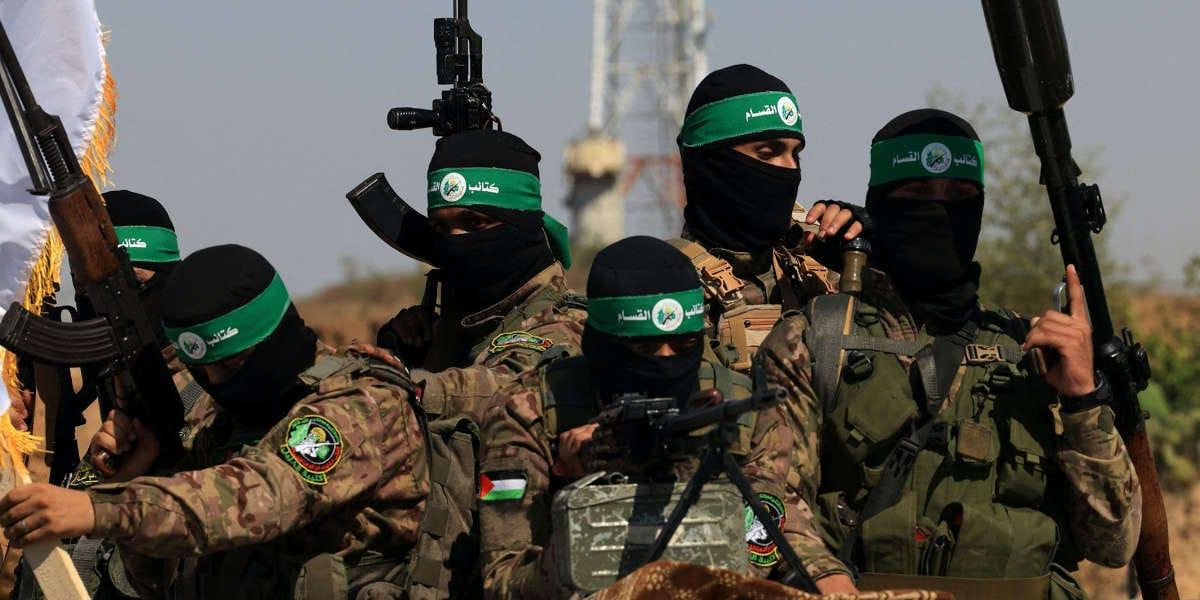
Hamas, the Palestinian militant group, declared on Monday, July 6, its intention to dismantle its current administration in Gaza. This move, according to analysts, aims to exert pressure on Israel, particularly as the US-facilitated ceasefire plan faces significant delays.
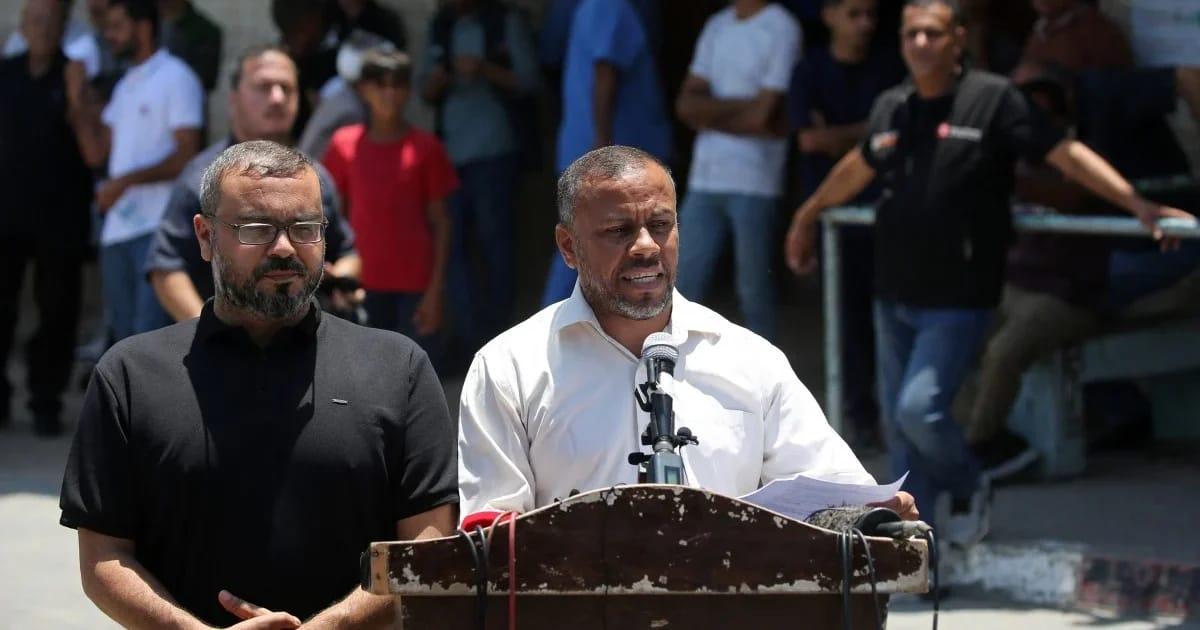
Ismail al-Thwabta, who heads Hamas’ Government Media Office (GMO), confirmed the group's readiness to transfer governing responsibilities to the Palestinian technocratic committee. This committee is envisioned to govern the enclave as part of the broader ceasefire agreement. However, Hamas’ declaration notably omitted any mention of disarmament, a crucial stipulation under the second phase of the peace deal, which the group has consistently rejected.
While the announcement is largely symbolic and may not immediately alter the situation on the ground – where Hamas and its security apparatus maintain control over areas of Gaza not occupied by Israeli forces – it shifts the focus of the ceasefire negotiations back onto Israel. US President Donald Trump has been actively urging Prime Minister Benjamin Netanyahu to advance certain aspects of the plan, including the establishment of “pilot areas” in Gaza where Palestinians would live under the technocratic committee’s authority.
Hamas has implored international mediators and the global community to press Israel into allowing the committee to enter Gaza. Speaking from the Al-Aqsa Martyr’s Hospital in Gaza City, al-Thwabta stated, “We call on all concerned and relevant parties to immediately accelerate the steps for the National Committee for the Administration of Gaza (NCAG) to enter quickly and assume its national and administrative duties and responsibilities, in order to strengthen the steadfastness of our noble Palestinian people and heal their wounds.”
The Board of Peace, established to facilitate the ceasefire, acknowledged Hamas’ statement but emphasized that it awaited “actions, not promises.” In a post on X, the board reiterated its demand for Hamas to disarm, asserting, “The core principle remains one authority, one law and one weapon.”
Muhammad Shehada, a Gaza expert at the European Council on Foreign Relations, interpreted Hamas’ move as an attempt to bypass Netanyahu and directly appeal to Trump. Shehada explained to CNN, “The Israelis (are) saying that Hamas is refusing to leave government and particularly security, so what they (Hamas) tried to emphasize in this statement is that they’re willing to give up everything vis-a-vis governance from A to Z.”
According to Shehada, Hamas views the committee as the sole pathway to establishing a Palestinian government in Gaza that would gain unconditional international recognition, describing it as a “savvy move.” However, he expressed skepticism, suggesting it might be “too late,” adding that “Israel would still foil NCAG.”
The NCAG was conceived in October as part of the US-brokered ceasefire blueprint, intended to assume governance of Gaza post-Hamas. Yet, the committee has remained in Cairo, unable to access Gaza or wield any authority within the territory. Al-Thwabta assured that Hamas had completed “all administrative and legal preparations and arrangements” for the transfer of power to the NCAG. Hamas also indicated that its approximately 60,000 government employees would retain their status as state employees and continue working under the NCAG. Despite these assurances, the timeline for such a transition remains undefined.
Just last week, the Board of Peace reported “highly productive” discussions in Cyprus. The board affirmed its preparations for the NCAG to assume control of Gaza “once the right conditions are met,” though these conditions were not detailed amidst broader challenges in advancing the agreement.
Michael Milshtein, head of the Palestinian Studies Forum at Tel Aviv University, was not surprised by Hamas' announcement. He viewed it as a concerted effort by Hamas and mediators to alter the existing diplomatic formula. Milshtein informed CNN that “Hamas has clearly said that the move was intended to pave the way for a breakthrough.” He added that key mediators—Qatar, Turkey, and Egypt—are striving to present a united front to Trump, demonstrating progress in the deal to intensify US pressure on Israel to implement subsequent stages of the agreement.
The 20-point Gaza ceasefire plan, which came into effect in October, has largely faltered, with many of its core elements unfulfilled. The initial phase called for a complete cessation of hostilities in Gaza, but Israel has continued near-daily strikes. The Palestinian Ministry of Health reports over 1,000 fatalities from Israeli strikes in Gaza since the ceasefire technically began. Furthermore, in the second phase, instead of withdrawing, Israel’s military has expanded its control, now occupying approximately 70% of the strip, confining Gaza’s two million Palestinians to an ever-diminishing land area. An international force, meant to secure parts of Gaza and enable NCAG governance, has yet to materialize. Meanwhile, Hamas has reasserted its authority in areas not under Israeli occupation, recently executing a Palestinian accused of collaboration with Israel.
Comments
(0)0/500 · No URLs or profanity allowed
Hamas don say dem ready to comot for Gaza government, dem wan hand over to one technocratic committee. Na strategy dem dey use to ginger US and put Israel for corner, especially as the ceasefire plan don dey drag leg. We go see if this play go finally bring peace or na just more political shakara.
Source: Linda Ikeji's Blog
Related Stories
Hamas Relinquishes Control of Gaza Administration
Iran Mourns Slain Supreme Leader Khamenei with Millions at Funeral Procession

Wednesday Marks Arrival of 270 Nigerians Evacuated from South Africa

Humanitarian Minister Doro Calls for Stronger EU-Nigeria Anti-Poverty Alliance

Trump's Ankara Visit Could Boost Turkey's Jet Engine Acquisition, Analysts Predict