Misplaced Priorities: Why Is Nigeria’s Military Might Used Against Protesters Instead of Bandits?

“The Kinds Of Weapons, Ammunition, Explosives, Sophisticated Military Equipment And Hardware I Saw With The Nigerian Police, Military, DSS, And Civil Defence Today In Abuja To Stop Our Peaceful Protest Was Too Much. I Haven’t Seen Anything Like It Before. The Only Thing The Nigerian Armed Forces Didn’t Bring Out Today Was a Fighter Jet. So I’m Asking, If You Have All These Kinds Of Weapons And Equipment, Why Haven’t You Used Them To Rescue Those Students And Teachers In The Bush And To Fight These Terror!sts And B@ndits?”.
The VDM Of Awka said this on X account after the protest yesterday
NAIJA POD NEWS TAKE ON THIS MATTERS ARE:
The heavy deployment of security forces against peaceful protesters in Abuja raises a critical, unsettling question about the priorities of the Nigerian state. When citizens marching for governance and accountability are met with a display of force short only of fighter jets, it exposes a deep contradiction in how national security assets are deployed.
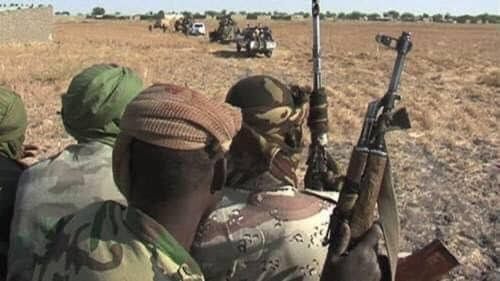
The sheer volume of hardware on display in the capital city stands in stark contrast to the tactical deficits reported in active conflict zones.Abuja Deployments: Heavily armed personnel from the Nigerian Police, Army, Department of State Services (DSS), and Civil Defence occupying urban centres with sophisticated armored personnel carriers (APCs), tactical gear, and crowd-dispersal technology.The Conflict Zones: Mass kidnappings of students, teachers, and rural villagers persist across forests in the North-West and North-Central regions. Security forces operating in these regions frequently cite logistical challenges, difficult terrain, and intelligence gaps as reasons for protracted rescue operations.
Weaponizing the State Against CitizensA democracy relies on the right to peaceful assembly. When the state responds to civilian grievances with overwhelming military deterrence, it risks shifting the perception of the armed forces from protectors of the people to tools of political suppression.3. The Accountability GapIf the Nigerian military possesses the advanced hardware, coordination, and rapid-deployment capabilities witnessed in Abuja, the justification for unresolved banditry weakens. Citizens are left to ask whether the persistent insecurity is a failure of military capability or a lack of political will to confront terrorists in their strongholds.Moving ForwardFor Nigeria to effectively tackle its security crises, the strategic framework governing the deployment of its armed forces requires immediate reform.Prioritize High-Risk Areas: Advanced combat gear and elite personnel must be concentrated where active threats to human life exist, rather than in peaceful administrative centers.Adopt Civil Policing Measures: Urban protests should be managed by properly trained, minimally armed civil police forces focused on crowd control and human rights, rather than heavily armed combat units.Align Might with Mission: The ultimate measure of Nigeria's military strength should be the safety of its citizens in vulnerable villages and schools, not the intimidation of voters and protesters in its capital.
Videos
Comments
(0)0/500 · No URLs or profanity allowed
“The Kinds Of Weapons, Ammunition, Explosives, Sophisticated Military Equipment And Hardware I Saw With The Nigerian Police, Military, DSS, And Civil Defence Today In Abuja To Stop Our Peaceful Protes
Related Stories

Police Rescue Several Abducted Travellers, Recover Motorcycles After Gun Battle with Bandits

Nigerians Set for Mass Protest on June 12 Over Insecurity, Economic Hardship Under Tinubu
Suleja Community Gripped by Fear as Bandit Scare Forces Schools to Shut Down
Kaduna Ambush: Eight Nigerian Soldiers Fall to 'Repentant' Bandits
Primate Ayodele Urges Lagos Govt to Prohibit Okada Operations, Imposes 30-Year Jail Term
