VIDEO : Outcry Over 'Akara' Empowerment

Nigeria's socio-political landscape has once again been ignited by a single statement from the corridors of power. Speaking following a meeting of her Renewed Hope Initiative (RHI) with the wives of state governors in Abuja, Nigeria’s First Lady, Senator Oluremi Tinubu, stepped into a brewing storm while defending the government’s distribution of direct financial grants."We're trying to give hope, and to start akara business doesn't take a lot of money. To start roasting corn, or somebody even said kuli-kuli, doesn't take much," she remarked, aiming to illustrate how small-scale cash injections empower vulnerable citizens without the burden of loan repayments.The response across platforms like X and Facebook was instant, divisive, and deeply telling of the current national mood.The Reality Gap: Why Critics Are FumingFor a large section of the public, the First Lady's advice felt fundamentally disconnected from the harsh economic headwinds hitting the average household. Critics quickly pointed out that the "akara economy" is no longer cheap to run. In a climate marred by high food inflation, the soaring costs of beans, vegetable oil, and cooking gas mean even micro-enterprises face immense survival pressure.Furthermore, a deeper frustration underlies the backlash. Many citizens find a bitter irony in a political class that enjoys massive budgetary allocations and luxury vehicles advising the impoverished masses to find solace in roadside trading. To them, real structural reforms—lowering production costs, stabilising the naira, and expanding modern jobs—should take precedence over survivalist trades.The Other Side: Dignity in the Micro-HustleConversely, a segment of Nigerians has risen to the First Lady's defense, arguing that her words are being unfairly weaponised. Proponents assert that there is immense dignity in honest labor and that micro-scale food businesses have historically been the economic backbone of millions of Nigerian families, funding educations and building homes.From a policy standpoint, defenders argue that giving out non-repayable grants directly to market women and small traders is far more effective than saddling vulnerable people with unpayable debt.Beyond the SoundbiteLost in the digital noise are the larger institutional figures surrounding the RHI interventions. According to reports, the First Lady’s office has deployed substantial health and social funding, including ₦2 billion for Tuberculosis interventions, ₦1 billion for breast cancer support, and ₦500 million to fight food malnutrition
.Ultimately, the raging debate isn't truly about the profit margins of frying akara or roasting corn. It is a reflection of a deeper systemic question: In a nation undergoing painful economic restructuring, should governance be measured by how well it cushions absolute poverty, or by how rapidly it builds a modern economy where citizens don't have to merely scramble to survive?
Videos
Comments
(0)0/500 · No URLs or profanity allowed
Nigeria's socio-political landscape has once again been ignited by a single statement from the corridors of power. Speaking following a meeting of her Renewed Hope Initiative (RHI) with the wives of state governors in Abuja, Nigeria’s First Lady, Senator Oluremi Tinubu, stepped into a brewing storm while defending the government’s distribution of direct financial grants."We're trying to give hope, and to start akara business doesn't take a lot of money. To start roasting corn, or somebody even said kuli-kuli, doesn't take much," she remarked, aiming to illustrate how small-scale cash injections empower vulnerable citizens without the burden of loan repayments.The response across platforms like X and Facebook was instant, divisive, and deeply telling of the current national mood.The Reality Gap: Why Critics Are FumingFor a large section of the public, the First Lady's advice felt fundamentally disconnected from the harsh economic headwinds hitting the average household. Critics quickly pointed out that the "akara economy" is no longer cheap to run. In a climate marred by high food inflation, the soaring costs of beans, vegetable oil, and cooking gas mean even micro-enterprises face immense survival pressure.Furthermore, a deeper frustration underlies the backlash. Many citizens find a bitter irony in a political class that enjoys massive budgetary allocations and luxury vehicles advising the impoverished masses to find solace in roadside trading
Related Stories

Lady Blasts ‘Gentle Parenting’ Over Undisciplined Children in Public

Nikki Reveals Painful Scars From 'Devil in Human Clothes' Marriage
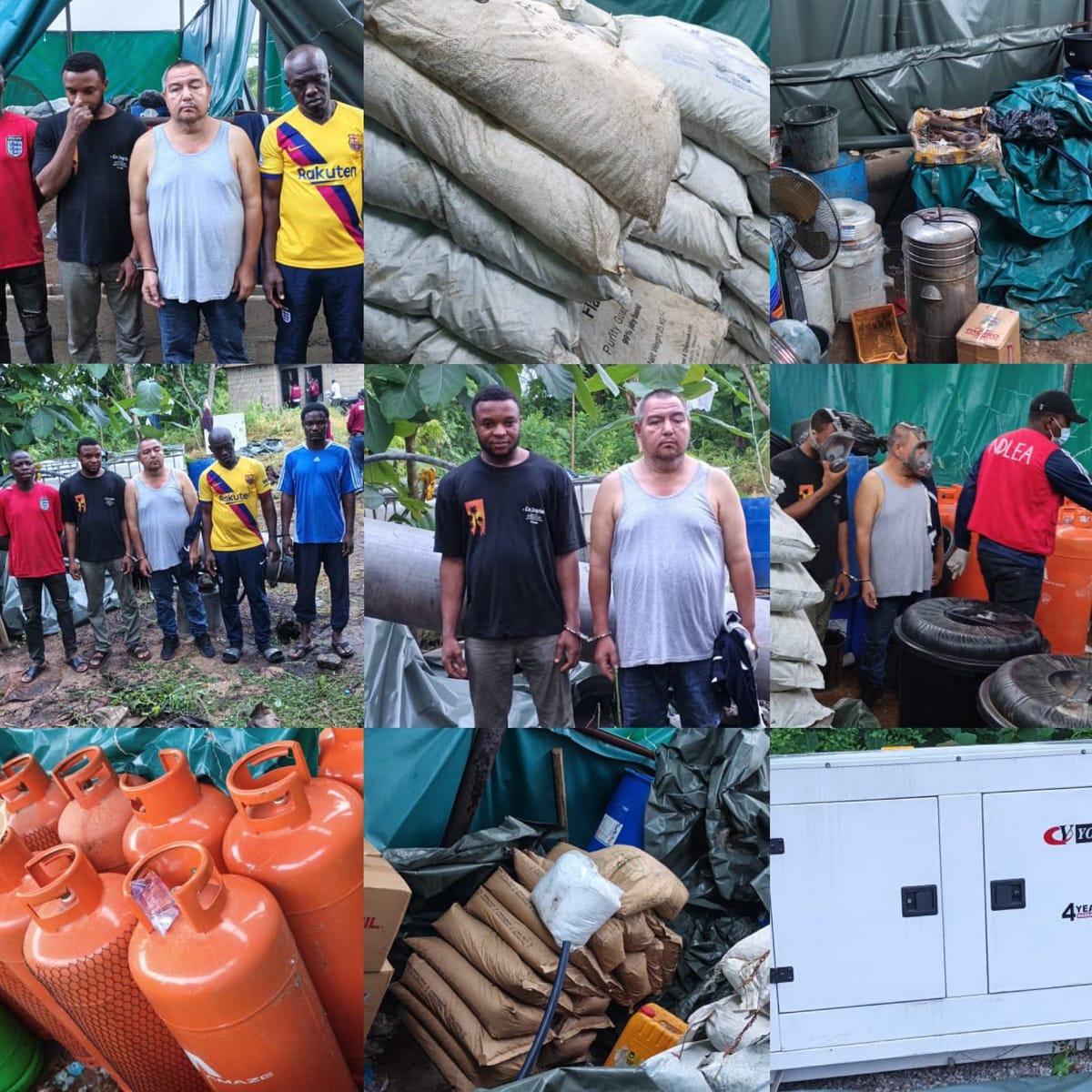
NDLEA UNCOVERS ANOTHER INDUSTRIAL-SCALE CLANDESTINE METH LABORATORY IN OYO FOREST.

WATCH: DSS Operatives Violently Abduct Sowore Inside Abuja Court After Judge Orders Kuje Prison Remand

Facebook Post Used by Muhammad Kabir to Announce Divorce from Wife Bilkisu