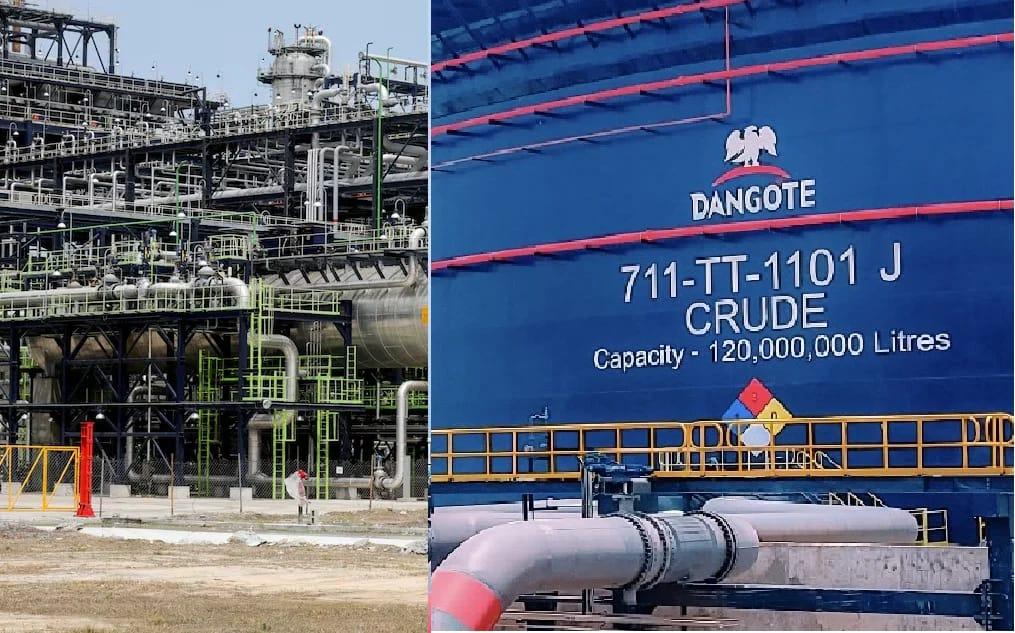
Global Oil Market Feels Impact of US-Iran Conflict Escalation
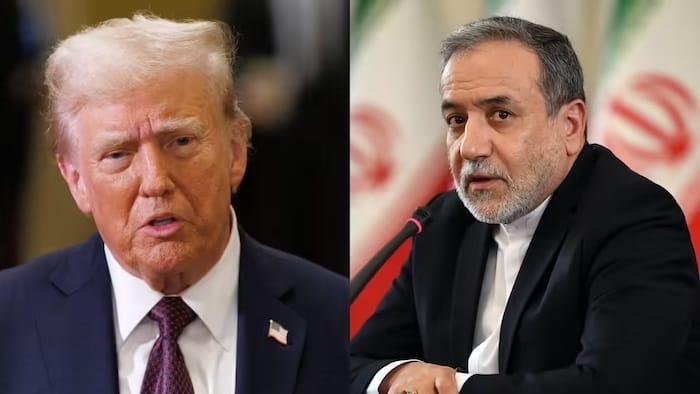
The global oil market has witnessed a significant surge in prices due to the escalating tensions between the United States and Iran. This development has sparked concerns over the potential disruption of global energy supplies, particularly in the Middle East. On Thursday, Brent crude futures experienced a rise of 53 cents, or 0.68 per cent, to $78.55 a barrel by 1148 GMT, while U.S. West Texas Intermediate crude gained 39 cents, or 0.53 per cent, to $73.91 a barrel. These gains followed a series of fresh military exchanges between the two nations, with the U.S. launching strikes on Iran, prompting retaliatory attacks by Tehran on American military assets in Kuwait and Bahrain. According to analysts, the uncertainty surrounding the conflict has continued to support oil prices. Saxo Bank analyst Ole Hansen noted, 'Generally, it’s a very nervous market. Any news that dampens the prospect of a peace deal is adding a bit to the market.' The renewed hostilities have also raised concerns over shipping through the Strait of Hormuz, a vital global energy route. Insurance industry sources revealed that some war-risk underwriters have advised shipping companies to suspend voyages through the waterway, while others are reviewing policy terms following renewed attacks on vessels. Prior to the latest escalation, oil prices had been under pressure due to anticipated increased Middle Eastern supply following a fragile ceasefire and signs of rising crude inventories. However, the recent developments have led to a shift in market dynamics. Investment bank Goldman Sachs stated that oil market risks remain balanced, noting that supply could recover by the end of July if diplomatic negotiations resume, sanctions waivers on Iranian oil are restored, and shipping companies receive security assurances. Aneeka Gupta, Director of Macroeconomic Research at WisdomTree, said, 'In the base case, Brent probably trades in a $75–$85 range over the next month, with a mild upward bias. The underlying supply recovery is real but incomplete, the surplus narrative is discredited for now, and diplomatic engagement, while stalled, hasn’t collapsed entirely.' Meanwhile, Russia has announced a ban on diesel exports to stabilise its domestic fuel market following refinery disruptions caused by Ukrainian drone attacks, which have contributed to fuel shortages and higher prices.
Videos
Comments
(0)0/500 · No URLs or profanity allowed
US and Iran dey fight, oil price dey rise - dis one go affect us for Nigeria, make we dey watch.
Source: Arise TV
Related Stories
Dangote Refinery Reduces Petrol Cost, Diesel Prices Climb
Nigeria's electricity consumer base shrinks by 8.52 percent in one year
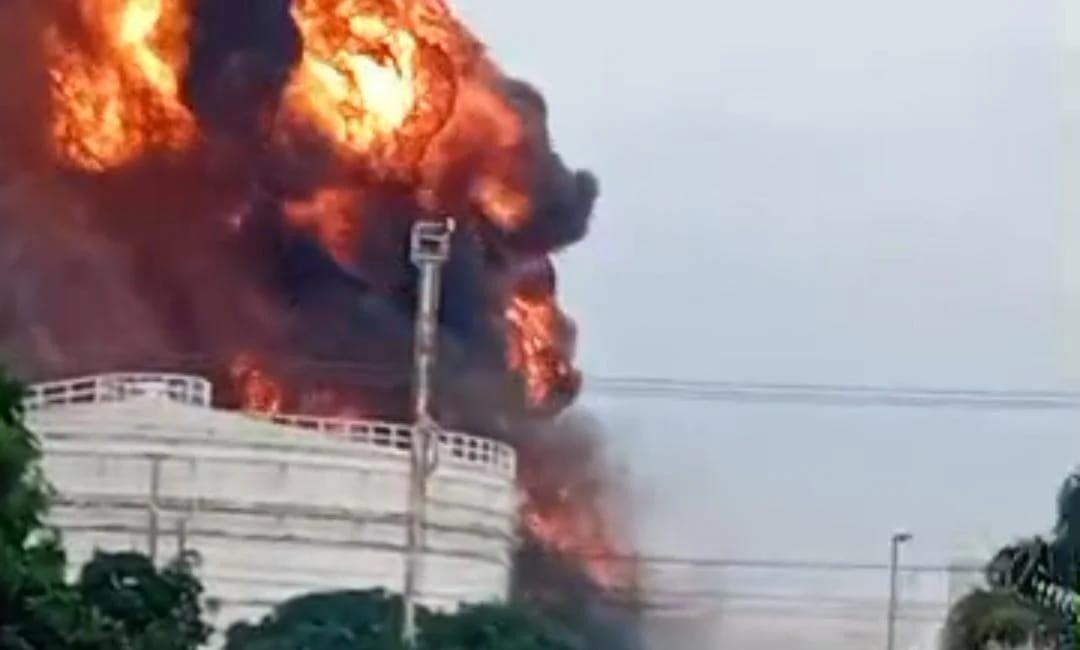
Lagos Fire Service Battles Inferno at Apapa Fuel Terminal

President Tinubu Backs Training for 5,000 Meter Installation Experts
Just In: NAEDL, AEDC Commit to Boosting Power Supply in Nasarawa