Nigeria Ranks High in Africa's FDI Inflow as LCCI Urges Caution on Price Regulation
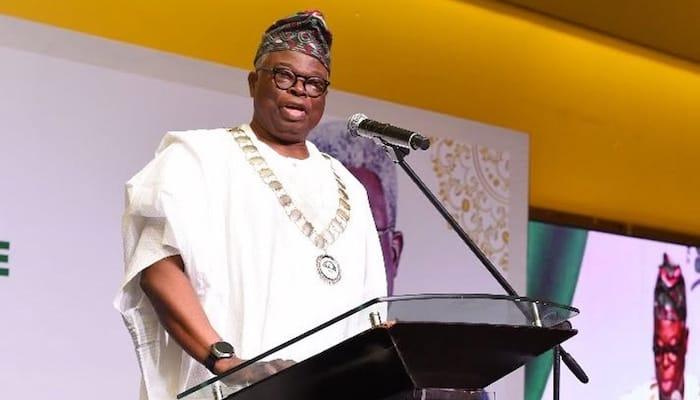
The Lagos Chamber of Commerce and Industry has revealed that Nigeria is making significant strides in attracting Foreign Direct Investment, with the country emerging as a top performer on the continent. According to the President of LCCI, Mr. Leye Kupoluyi, Nigeria's FDI increased by 148.4 per cent to $4.01 billion in 2025, driven primarily by oil and gas project finance. However, Kupoluyi noted that the country must be cautious in its price regulatory environment, citing instances where oil marketers raised pump prices in line with international crude oil prices but failed to adjust them when global prices dropped. He emphasized the need for the Federal Competition and Consumer Protection Commission to be more vigilant in overseeing price regulation. The LCCI president also discussed the implications of the Monetary Policy Committee's decision to retain the Monetary Policy Rate at 26.50 per cent, stating that it underscored the Central Bank of Nigeria's commitment to preserving price stability and exchange rate stability. Kupoluyi advised that Nigeria should maintain a prudent monetary policy to anchor inflation expectations and ensure clear communication of policy to strengthen market confidence. He also recommended that fiscal policy should focus on rebuilding buffers through stronger domestic revenue mobilisation, improved public expenditure efficiency, and debt sustainability. The chamber urged the government to avoid untargeted subsidies and price controls, as they can weaken price signals, increase fiscal costs, and discourage energy efficiency. Additionally, the LCCI president spoke on Nigeria's rising debt profile, attributing it to continued borrowing to finance fiscal deficits and the valuation impact of exchange rate movements on external debt. He suggested that the anticipated oil revenue windfall from higher crude oil prices and improved oil production in 2026 should be used prudently to reduce debt, rebuild fiscal buffers, and finance critical infrastructure. Kupoluyi emphasized the importance of accelerating non-oil revenue mobilisation, improving tax administration, and enforcing fiscal discipline for long-term debt sustainability. The chamber also called for price regulation in line with international best practices, rather than price control, to secure the best deal for consumers and businesses.
Comments
(0)0/500 · No URLs or profanity allowed
Nigeria don dey attract foreign investors well well, but dem need to careful with how dem dey regulate price, make dem no go scam us. Make dem use the money from oil well well, no go borrow again, and make sure say dem dey manage our economy well.
Source: Arise TV
Related Stories
Nigeria's Power Sector Faces N17.1tn Debt Crisis by 2033, Gencos Warn
FCCPC's Regulatory Powers Challenged by WASPAN in Court of Appeal

Fuel Subsidy Disguise: FG's N17.5tn Debt to NNPC Under Scrutiny

NAHCON Tightens Grip on Hajj Operators with N250m Guarantee
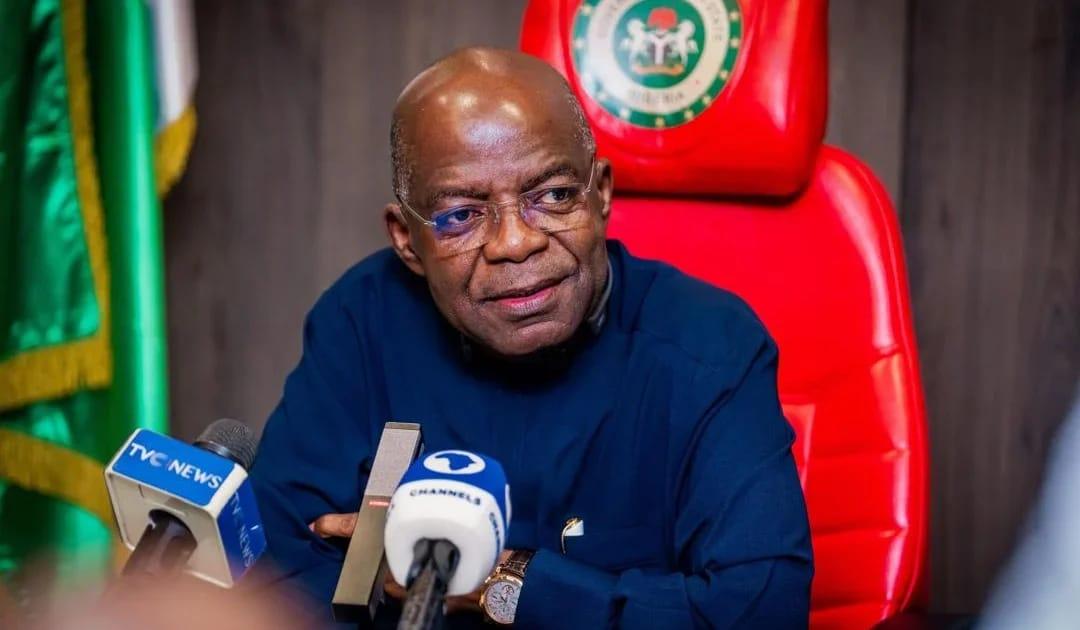
Abia Governor Otti Unveils Plan to Boost Akwete Weaving Industry