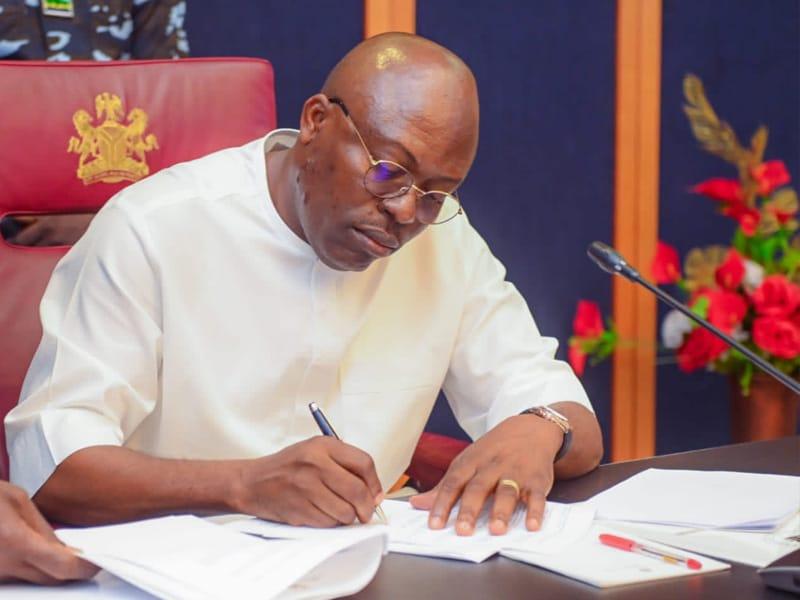
Tinubu's Brazil visit yields market access for Nigerian agro exports
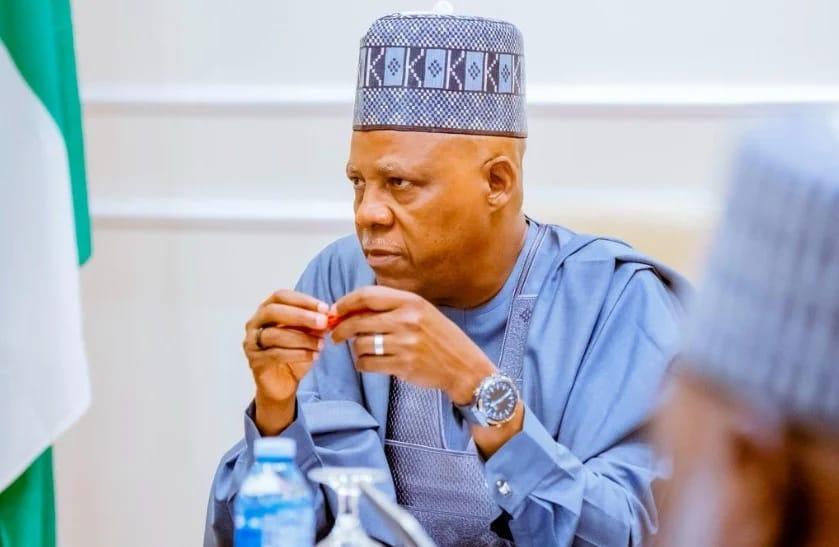
Vice President Kashim Shettima announced on Monday that the partnership between Nigeria and Brazil has progressed significantly, moving beyond mere discussions to concrete implementation regarding their bilateral agriculture and livestock cooperation. This declaration came as Brazil officially opened its market doors to Nigerian exports of hibiscus, sesame, and shea butter.
Speaking at a High-Level Nigeria-Brazil Agro-Trade Market Access Milestone meeting held at the State House in Abuja, Shettima highlighted this development as the first tangible outcome of President Bola Tinubu’s state visit to Brazil in August of the previous year. According to a statement released on Monday by Stanley Nkwocha, the Senior Special Assistant to the Vice President on Media and Communications, Shettima received the Brazilian delegation, led by André Carlos Alves de Paula Filho, Brazil's Minister of Agriculture and Livestock, at the Presidential Villa.
The Vice President, who co-chairs the Nigeria-Brazil Strategic Dialogue Mechanism with his Brazilian counterpart, Vice President Geraldo Alckmin, emphasized the progression: “We have moved with deliberate steps from dialogue to delivery, from agreements to implementation, and from shared ambition to outcomes that can be counted, weighed and shipped.” He added, “This is precisely how enduring partnerships evolve.”
Shettima attributed the achievements within the Nigeria-Brazil Agriculture and Livestock Cooperation Framework to several months of diligent institutional efforts. He confirmed that the Joint Agriculture and Livestock Technical Working Group is now fully operational, supported by active thematic action sub-groups focusing on dairy and livestock genetics, soybean productivity, agricultural policy, and agro-climatic risk zoning.
“I am pleased that we can today report the first tangible fruits of that presidential directive,” Shettima stated. He further explained, “The market access milestones we announce are the product of months of disciplined collaboration between our ministries, our regulatory authorities, our technical experts and our private sector partners. They show what becomes possible when political leadership is matched by strong institutions and by the humility to do the unglamorous work of implementation.”
Recalling President Tinubu’s state visit last August, Shettima noted that both President Tinubu and Brazilian President Luiz Inácio Lula da Silva had observed that the existing volume of bilateral agricultural trade between their nations was significantly below what their natural resources permitted. Consequently, both leaders jointly directed their governments to identify avenues for accelerating trade, investment, and technical cooperation.
Nigeria expressed its gratitude to the Brazilian government for strengthening its presence in Abuja through the appointment of an Agricultural Attaché and the increasing engagement of the Brazilian Agricultural Research Corporation (EMBRAPA) via its Embassy. Shettima clarified that these decisions “have drawn our institutions closer, quickened our technical engagement, and helped translate ideas into programmes that touch the ground.” He concluded, “We are grateful for such investment in our friendship.”
The Vice President also urged state governments and trade promotion organizations to prepare farmers, cooperatives, processors, and exporters to capitalize on these new market opportunities. He stressed, “As these new markets open, your leadership will be indispensable in preparing farmers, cooperatives, processors and exporters to satisfy international standards, to add value at home rather than surrender it abroad, and to ensure that these opportunities ripen into jobs, into incomes, and into growth across your domains.”
Brazil’s Minister of Agriculture and Livestock, André Carlos Alves de Paula Filho, confirmed that his country is finalizing the phytosanitary certificate proposal necessary for Nigerian exports of hibiscus, sesame, and shea butter to gain entry into the Brazilian market. “Once this work is completed, we will also facilitate contacts between Nigerian exporters and potential Brazilian buyers, creating concrete commercial opportunities for these products in the Brazilian market,” he assured.
In April 2026, the Nigerian federal government outlined plans to boost its processed shea earnings from N300 million in the short term, with a potential increase to N9 billion by 2030. That same month, President Tinubu had extended a six-month ban on raw shea nut exports until February 2027. Under this prohibition, all shea exports must now be processed through the Nigeria Commodity Exchange framework, as previous exemptions allowing direct raw-nut shipments were abolished.
The Brazilian Agriculture Minister reiterated Brazil’s commitment to expanding access for Nigerian products, noting that the bilateral agreements in agriculture, food security, energy, defence, and investment reflect a shared vision for development and prosperity.
Jigawa State Governor, Umar Namadi, praised the partnership, stating that his state, which accounts for 75 percent of Nigeria’s non-oil exports, would play a crucial role in ensuring the success of the bilateral arrangement.
Senator Abubakar Kyari, Nigeria’s Minister of Agriculture and Food Security, commended Brazil as a nation that has successfully transformed into one of the world’s most productive agricultural regions, adding that the bilateral journey under President Tinubu is already accelerating trade relations.
Nigeria and Brazil formalized their strategic bilateral relationship during President Tinubu’s state visit to Brasilia in August 2025, where they signed agreements covering trade, aviation, energy, and security cooperation. Brazil’s Vice President, Geraldo Alckmin, had previously visited Nigeria in June 2025. The Strategic Dialogue Mechanism (SDM), co-chaired by the two vice presidents, was established to provide a structured approach to implementing these commitments, with the agriculture and livestock framework emerging as one of the most operationally advanced tracks of the partnership.
Comments
(0)0/500 · No URLs or profanity allowed
Na good news be dis o! Brazil don finally open door for our shea butter, hibiscus, and sesame exports. We just pray say this one go truly boost our economy and create plenty jobs for our people, no be just talk.
Source: Punch NG
Related Stories
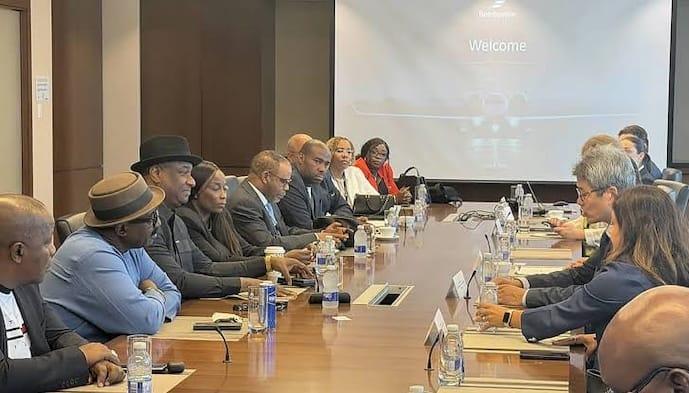
FG Wraps Up Global Aircraft Manufacturer Talks with Bombardier Visit
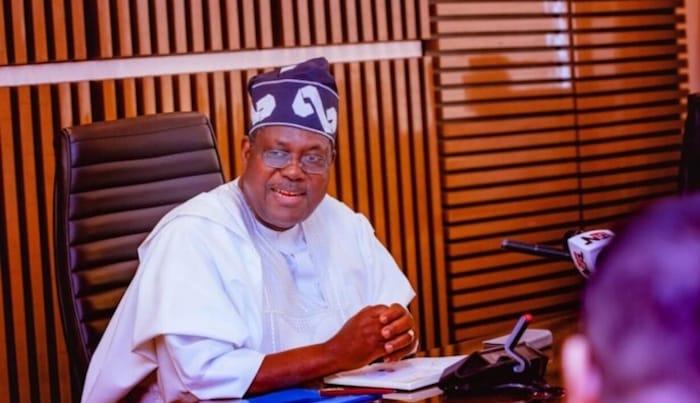
SGF Akume: FG's Economic Blueprint Targets Opportunity Expansion
60 Years of Slurpee: 7-Eleven Treats Customers to Free Drinks and Unique Flavors
Nigerian Stock Exchange Gains N9.3tn as S&P Eyes Frontier Market Return

VOB Media: A Decade of Building Memorable Brands Across Nigeria and Europe