UNDP, Lagos State Champion Global Market Access for Creative Industries
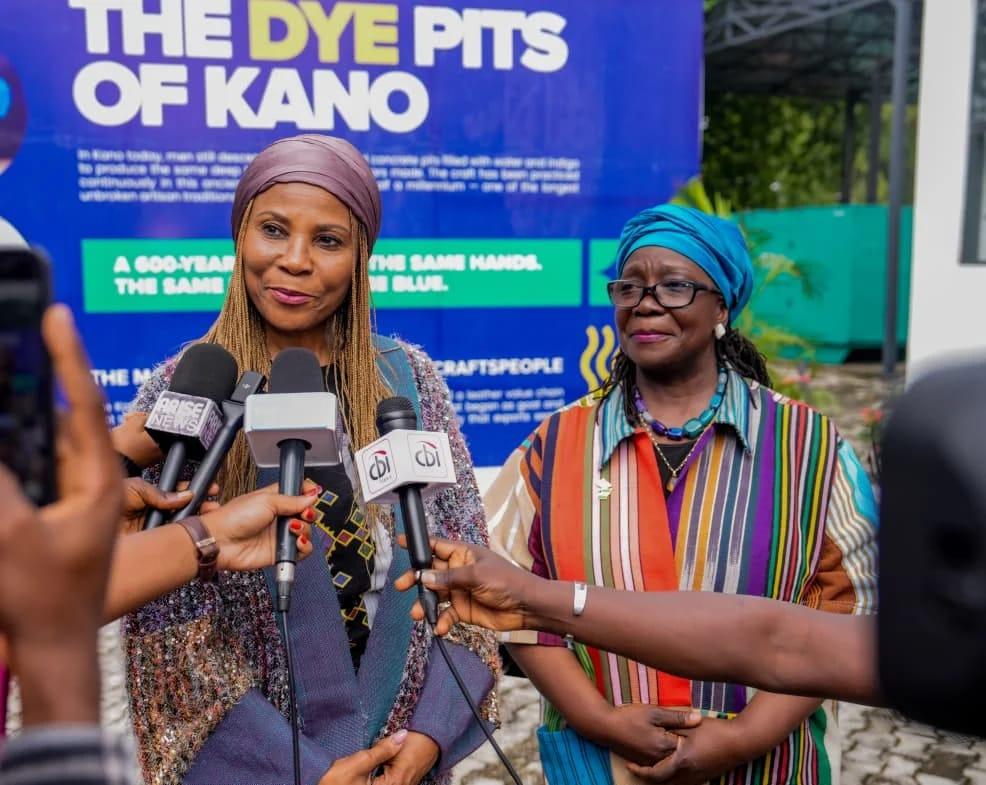
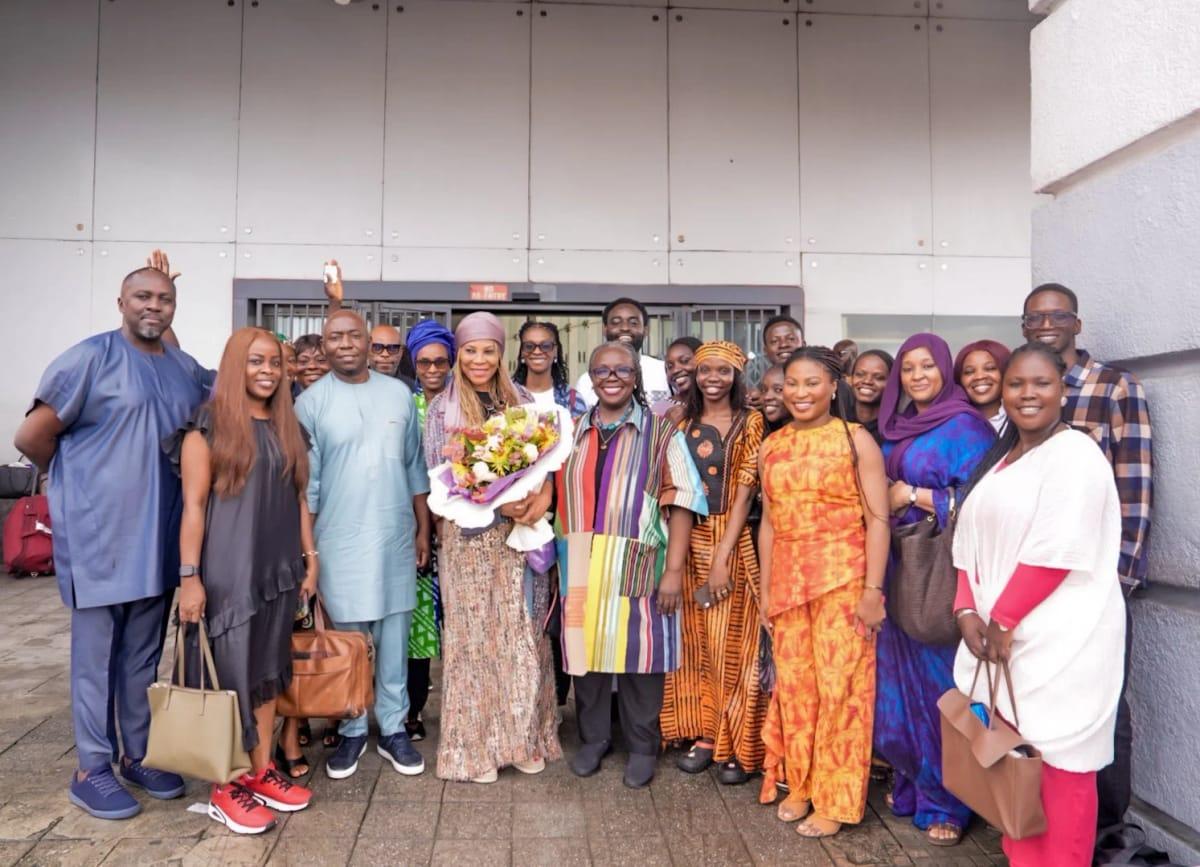
The United Nations Development Programme (UNDP) and the Lagos State Government have jointly urged increased investment, funding, and wider market access to transform Africa's creative sectors into significant drivers of employment, exports, and industrial expansion. This call was made during the "Stitch, Sell, Scale: Fashion, Leather & Creative Enterprise Spotlight" event held in Lagos on Friday, which gathered key figures from government, finance, and the business community.
Speaking at the event, Governor Babajide Sanwo-Olu of Lagos State, represented by the Commissioner for Wealth Creation and Employment, Akinyemi Ajigbotafe, highlighted that despite abundant talent, many entrepreneurs in the state continue to face hurdles like limited access to finance, markets, and business networks. He affirmed the state government's commitment to fostering an environment where businesses can thrive, connect with new buyers, and penetrate markets beyond Nigeria. The Governor also mentioned Lagos's collaboration with development partners, financial institutions, and the private sector to bolster enterprise support systems, enhance product quality and packaging, and provide crucial support to women and young entrepreneurs.
Elsie G. Attafuah, the UNDP Resident Representative in Nigeria, emphasized that Africa's fashion, leather, and broader creative industries have evolved past mere cultural expression to become productive sectors capable of generating jobs, strengthening manufacturing capabilities, and building globally competitive brands. In a statement released on Saturday, she described Africa's creative economy as "entering a defining moment," noting the increasing regional and global attention on fashion, leather, design, and other creative fields. However, she cautioned that mere visibility wouldn't guarantee economic transformation. She posed critical questions: "The real question before us is how creativity becomes prosperity; how talented designers become successful business owners; how small enterprises become competitive brands; and how creative industries contribute to jobs, industrial development and long-term economic transformation."
Attafuah further explained that these sectors create value throughout their entire supply chains, from raw materials and manufacturing to design, branding, logistics, retail, and digital commerce, all while preserving cultural heritage and fostering economic opportunities. She acknowledged that many businesses still struggle to obtain essential resources like finance, investment, technology, market information, and business networks crucial for growth. "Creativity becomes prosperity only when it is connected to markets. Ideas become businesses when they are connected to capital," she asserted, stating that the Spotlight event aimed to bridge entrepreneurs with these vital opportunities.
Delivering the keynote goodwill message, Ahunna Eziakonwa, the United Nations Assistant Secretary-General, UNDP Assistant Administrator, and Regional Director for Africa, forecasted that Africa's economic future would be increasingly shaped by innovation and enterprise. She remarked, "For many years, conversations about Africa’s economy centred on natural resources, agriculture and traditional industries. Those sectors remain important, but another story is unfolding across our continent." Eziakonwa characterized the continent's creative industries as a strategic economic powerhouse capable of creating employment, attracting investments, and establishing internationally recognized brands. "Africa has never lacked creativity. The question before us today is how we ensure that creativity also becomes competitiveness," she declared.
She identified the African Continental Free Trade Area (AfCFTA) as a significant avenue for creative businesses to expand internationally, fortify regional value chains, and draw investment. Eziakonwa painted a vivid picture: "Imagine African leather processed in one country, designed in another, manufactured in a third and sold across our continent under globally recognised African brands. That is the promise of regional integration." She underscored that entrepreneurs require access to finance, investment, infrastructure, technology, and supportive policies to scale, urging stronger collaboration among governments, financiers, private sector leaders, universities, and development partners. She highlighted UNDP initiatives such as timbuktoo, university innovation pods, and digital innovation hubs, affirming the organization's efforts to link entrepreneurs with investment and market prospects across Africa. Eziakonwa concluded, "The world has already discovered Africa’s creativity. The next chapter is ensuring that the world also recognises Africa’s competitiveness."
Gallery
Comments
(0)0/500 · No URLs or profanity allowed
UNDP and Lagos don come together say make dem open Africa creative industries to the world market. Dem wan make fashion and leather business dey ginger economy and create plenty jobs. Na good idea, but government gats put in serious work for implementation o!
Source: Punch NG
Related Stories
World Bank: Nigeria's Low Revenue, Not Debt, Poses Main Fiscal Threat
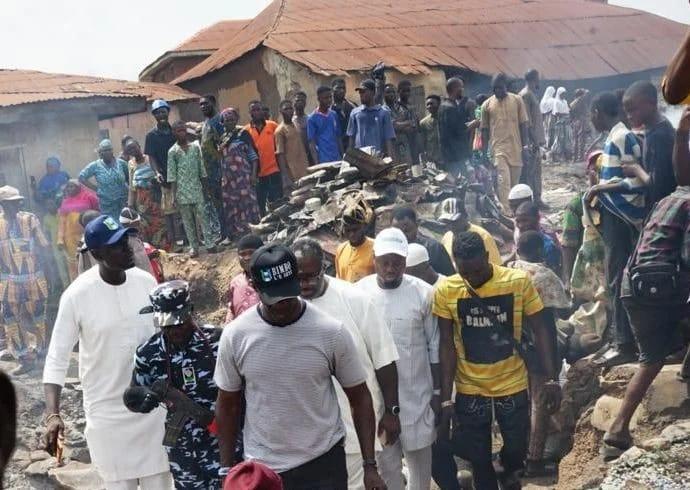
Oyo Governorship Aspirant Adekanmbi Gives N2.5m to Ibadan Market Fire Victims

Angelina Jolie Rejects Brad Pitt's Tax Record Demands in Miraval Estate Battle

Tony Elumelu Takes Helm at Seplat Energy as New Chairman, Effiong Okon Appointed CEO
US Envoy Highlights Nigeria's Role as Second-Biggest Sub-Saharan Trade Partner