Higher Pixel 11 Price Could Hand Market Edge to iPhone 17
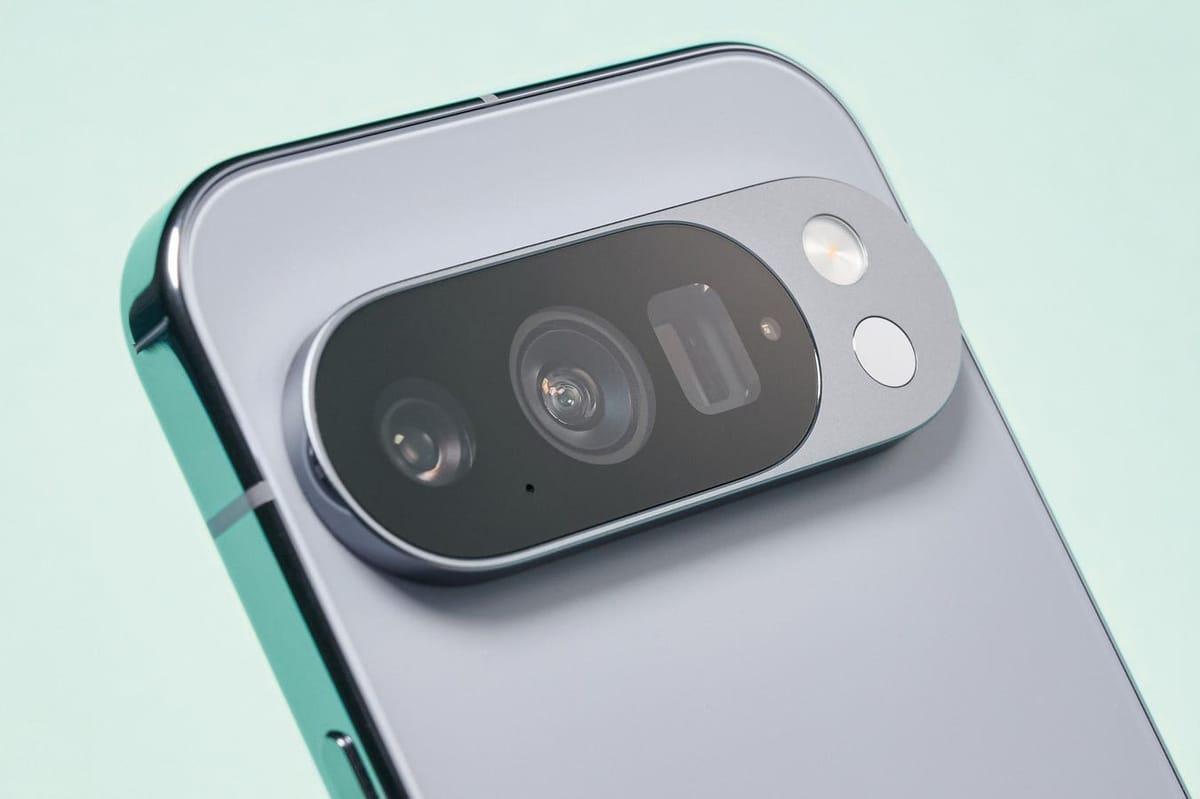
Google has confirmed a new promotional code for the Pixel 11. However, amidst industry-wide price increases affecting devices like the Galaxy S26 and the anticipated Galaxy Z Fold 8, the Pixel 11 appears to be another casualty of rising component costs, particularly RAM. A core selling point for Google's smartphones has traditionally been their competitive pricing, a factor that might soon diminish.
Recent Amazon listings, initially observed by an Android Authority reader and later confirmed by Droid Life, indicate that the entry-level Pixel 11, featuring 256GB storage, will launch at $899. This figure is $100 higher than the iPhone 17's starting price of $799. The rarity of an Apple device being more affordable than a Pixel at launch presents a significant challenge to Google's market strategy. While the base model's storage has doubled from 128GB to 256GB, partially justifying the price hike, the Pixel series has historically relied on its affordability and camera quality as primary attractions. With Apple having largely matched Google on camera performance, the loss of its price advantage necessitates a fresh marketing approach from Google.
Google's new strategic advantage for the Pixel 11 is likely its advanced Gemini Intelligence. This "agentic AI" suite is designed to manage complex, multi-step operations with minimal user intervention, such as making bookings, organizing calendars, or transferring notes directly into a shopping cart. This capability transcends basic voice commands or app shortcuts, offering a device that can autonomously navigate and execute tasks across various applications – from checking emails and drafting responses to scheduling events and finalizing purchases, all without requiring manual input for each stage. Should Google no longer be able to compete on price, its marketing emphasis is expected to pivot significantly towards highlighting the Pixel 11's unique AI functionalities that are currently unavailable on iPhones. This argument would gain further strength if Gemini Intelligence is exclusively offered on the newest Samsung and Google smartphones.
However, the widespread deployment of agentic AI across millions of Android devices introduces potential risks. A significant concern is "prompt injection attacks," where hidden text prompts manipulate AI into disregarding its programmed rules. This threat remains largely unaddressed. Google asserts that it has implemented robust safeguards, including multi-layered rules and an AI "critic" model designed to scrutinize the agent's actions. Furthermore, Google states that users will always have the final approval before any purchase is completed. Nevertheless, questions persist, particularly regarding scenarios where a user might be prompted to approve a transaction on a fraudulent website because the AI fails to identify the scam. Open AI, in November 2025, also acknowledged that prompt injection attacks are still considered a "challenging research problem." The industry awaits Google's comprehensive strategy for safeguarding its users against such vulnerabilities.
Historically, Pixel devices, including the Pixel 10, have seen frequent price reductions since their launch, with the Pixel 10 Pro currently available at a $300 discount, bringing its price to $699. The pertinent question now is whether Google can sustain this practice. The global tech industry is currently experiencing a surge in memory and component costs, a pressure that has also compelled giants like Samsung and Apple to increase their product prices this year. Google's strategy has traditionally viewed Pixel hardware not primarily as a source of profit, but as a crucial conduit for wider adoption of its Gemini AI and other services. This approach has historically afforded Google more flexibility to absorb profit margin impacts than its competitors. The viability of this strategy, however, in a climate of escalating supply chain expenses, remains uncertain and will only become clear once the official pricing and subsequent discounts for the Pixel 11 are revealed.
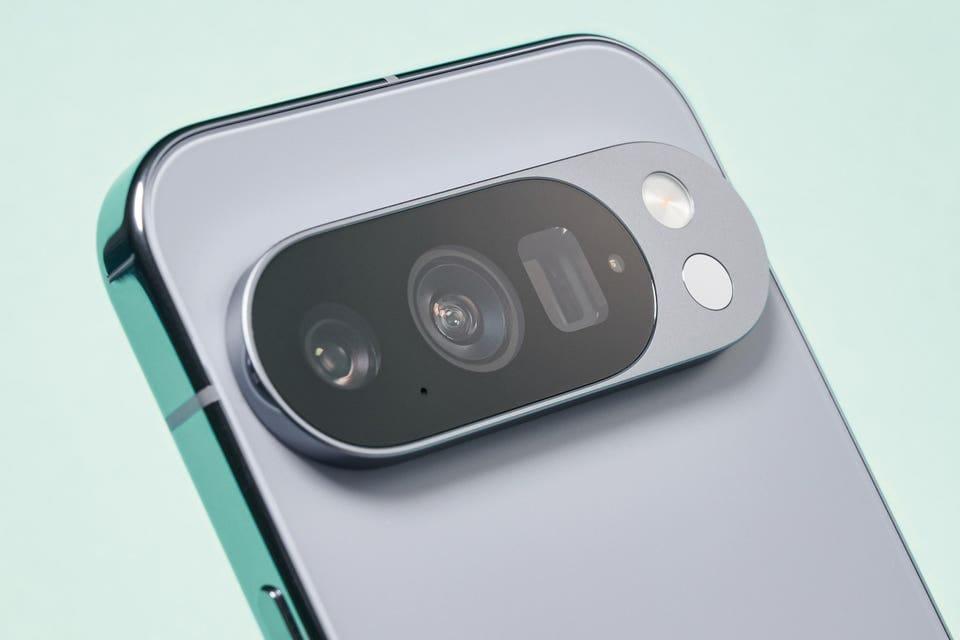
In an update on July 18th, Google officially confirmed the name of its upcoming device. A recent teaser unveiled the Pixel 11 Pro in a sophisticated gold finish, also offering a glimpse of "Pixel Glow," a distinctive circular light on the camera bar that emits various pulsating colours. The same promotional material subtly announced a customary pre-order incentive: individuals who register for Google Store marketing emails before August 7th will receive a promotional code, explicitly termed a "discount" within the terms and conditions. Historically, such codes are distributed when pre-orders commence. While Google has not yet disclosed the precise value of this year's discount, previous launch patterns offer insight. Prior to the Pixel 10 launch, Google provided up to $200 in store credit to some registrants, though amounts varied, with others receiving $100 and some European customers getting €20. It is common for Google to tailor discount codes for different regions. Notably, the original promotion for the Pixel 10 specified the offer was for "new subscribers only," suggesting that individuals who had not previously subscribed received more substantial store credit. Therefore, prospective Pixel 11 buyers seeking this promotional code are advised to use an email address not previously associated with Google Store marketing subscriptions.
Gallery
Comments
(0)0/500 · No URLs or profanity allowed
Google don carry Pixel 11 come with high price, even pass iPhone 17. Dem say na because of AI power, but we go see if Nigerians go fit afford am.
Source: Google Trends Nigeria
Related Stories

Naija Online: Stay Safe! Your Guide to Navigating Cyber Threats
Get Early Access to iOS 27 with Apple's Public Beta Release

Tech Giant Apple Accuses OpenAI of Trade Secret Theft

OpenAI's GPT-5.6 Series Set for Global Rollout Following US Nod

Anthropic engineer: "You're not supposed to prompt Claude. You're supposed to build a self prompt system