Naija Online: Stay Safe! Your Guide to Navigating Cyber Threats
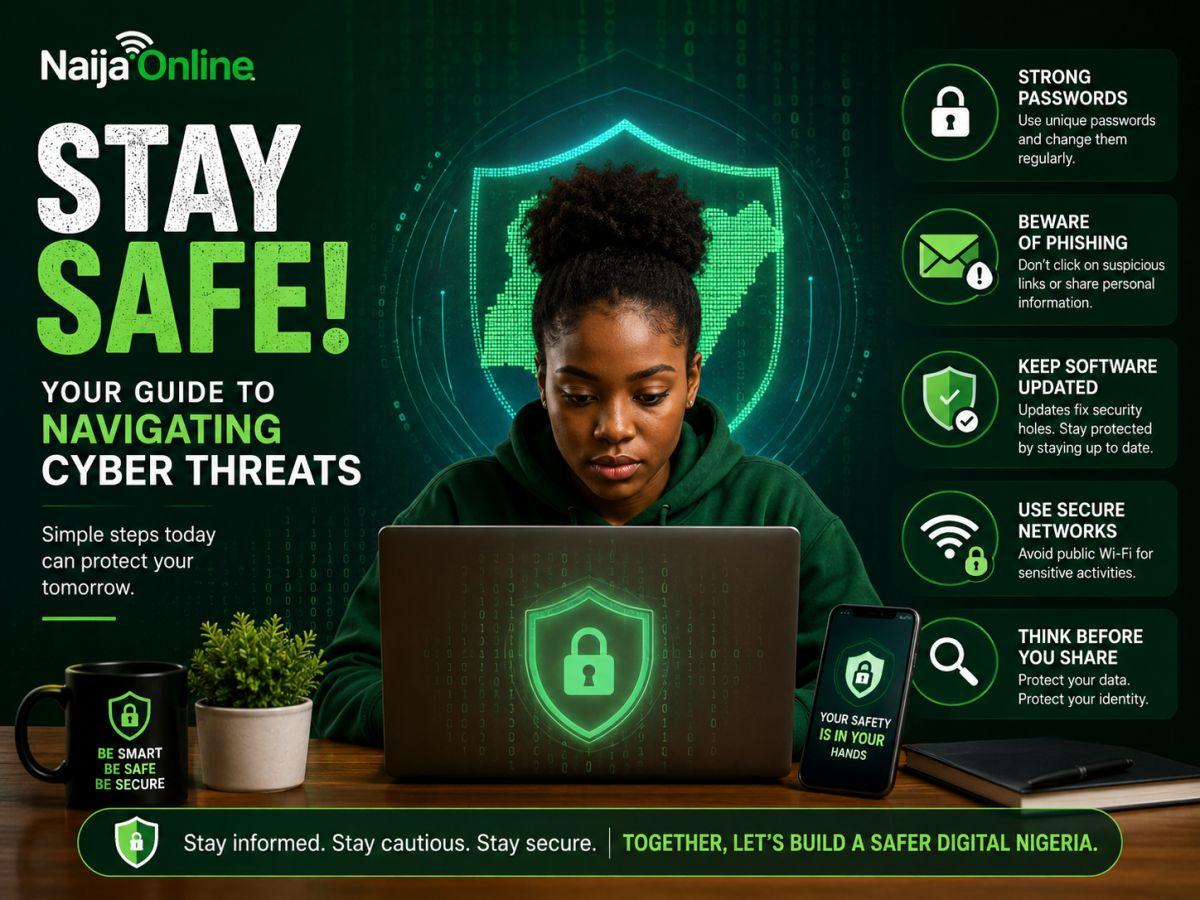
In today's rapidly evolving digital landscape, connecting with friends, conducting business, and accessing information online has become an integral part of daily life for millions across Nigeria. From bustling Lagos markets to remote villages, the internet bridges distances and opens up unprecedented opportunities. However, as our lives increasingly migrate online, so do the risks. The same digital highway that brings convenience can also expose us to a storm of cyber threats, from sophisticated scams to data breaches. Understanding these risks and actively safeguarding our digital presence is no longer optional; it is a fundamental aspect of personal security in the 21st century. This article aims to equip you with practical knowledge to navigate this digital storm safely, ensuring your online journey remains productive and secure.
One of the foundational pillars of online safety is the creation and management of robust passwords and the activation of multi-factor authentication (MFA). Think of your password as the first lock on your digital door. Using weak, easily guessable passwords like "123456" or your birthdate is akin to leaving your door unlocked. Cybercriminals often employ automated tools to guess common passwords, making unique, complex combinations crucial. A strong password should be at least 12 characters long, mixing uppercase and lowercase letters, numbers, and symbols. Furthermore, never reuse passwords across multiple accounts. If one service is compromised, all accounts sharing that password become vulnerable. Beyond strong passwords, activate multi-factor authentication (MFA) whenever possible. This adds an extra layer of security, typically requiring a code from your phone or a fingerprint scan in addition to your password. For instance, when accessing your mobile banking app or email, MFA ensures that even if a hacker obtains your password, they cannot gain entry without access to your secondary verification method.
Another pervasive threat in the digital realm is phishing and various online scams, which continue to evolve in sophistication. Phishing attempts involve tricking individuals into revealing sensitive information, often by impersonating legitimate entities. You might receive an email or SMS purporting to be from your bank, a government agency, or even a popular e-commerce platform, urging you to click a suspicious link or provide personal details due to an "urgent issue." A common example in Nigeria includes messages promising lottery winnings or lucrative job offers from non-existent international companies, asking for a "processing fee." Always be sceptical of unsolicited communications demanding personal information or immediate action. Verify the sender's identity by independently contacting the organization through official channels, rather than replying to the suspicious message or clicking embedded links. Remember, reputable organizations will never ask for your password or PIN via email or text message.
Protecting your personal information online also involves actively managing your privacy settings and being mindful of what you share. Every social media platform, messaging app, and online service collects data about its users. While this data can enhance your user experience, it can also be exploited if not properly secured. Take the time to review and adjust the privacy settings on your social media profiles (e.g., Facebook, Instagram, Twitter) to control who sees your posts, photos, and personal details. Consider limiting the information you share publicly, such as your current location, travel plans, or sensitive family details, as this can be used by criminals for identity theft or even physical targeting. Be cautious about granting excessive
Gallery
Comments
(0)0/500 · No URLs or profanity allowed
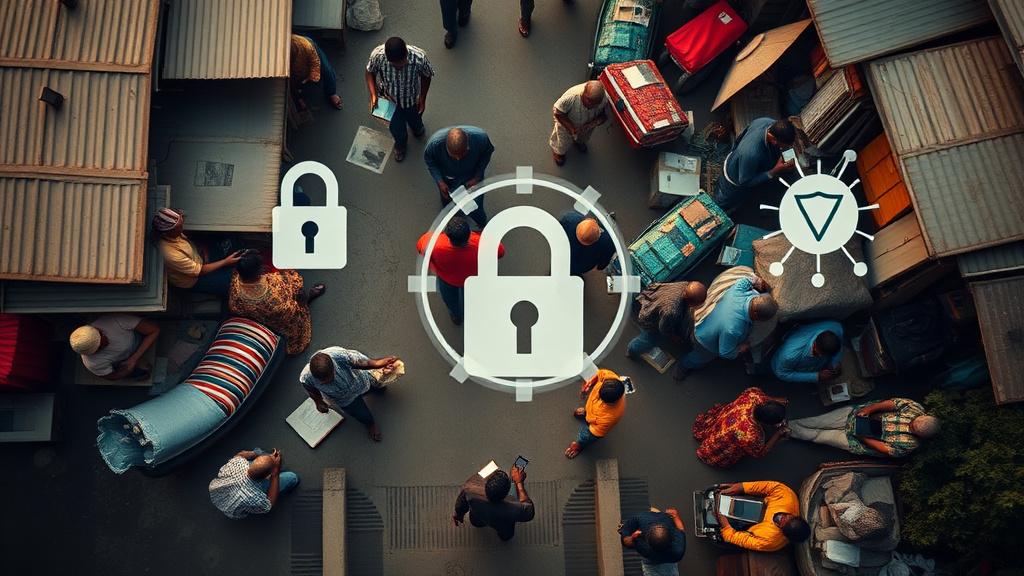
Nigerias digital life thrives, connecting millions. But with this online boom comes a storm of cyber threats.
Related Stories
Get Early Access to iOS 27 with Apple's Public Beta Release

Tech Giant Apple Accuses OpenAI of Trade Secret Theft

OpenAI's GPT-5.6 Series Set for Global Rollout Following US Nod

Anthropic engineer: "You're not supposed to prompt Claude. You're supposed to build a self prompt system

FG directs NCC, NITDA, NDPC to postpone implementation of new internet platform rules.