How Nigerian hospitals are crowd-funding safety sick bays for fires
Full Story
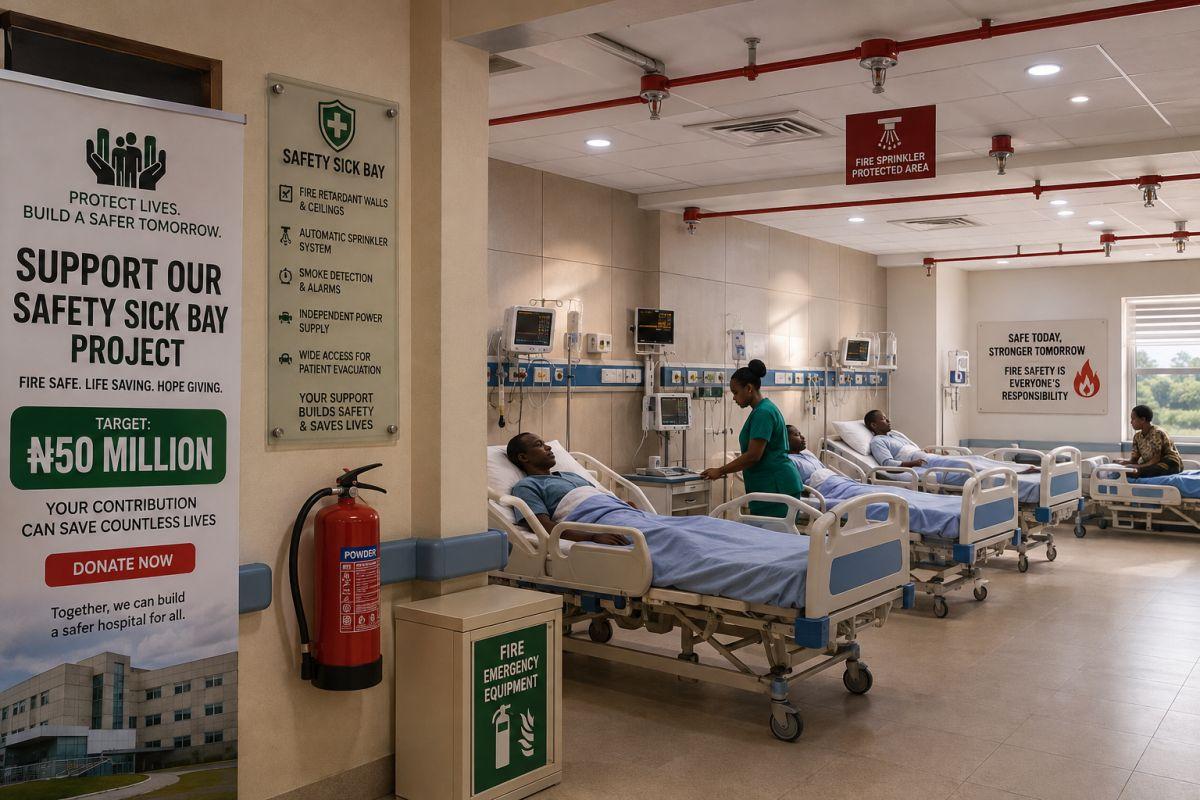
In a heartwarming display of community solidarity and proactive problem-solving, Nigerian hospitals are increasingly turning to crowd-funding initiatives to establish specialized "safety sick bays" designed to protect patients from the devastating impact of potential fires. This innovative approach addresses critical safety gaps in medical facilities, ensuring that some of the most vulnerable members of society receive care in environments built with enhanced fire resilience.
The urgency for such initiatives stems from a range of factors inherent in many older hospital infrastructures across the nation. Overloaded electrical systems, the proliferation of medical equipment, and the occasional power surge can all elevate fire risks. Given that many patients are immobile, sedated, or critically ill, their ability to self-evacuate during an emergency is severely compromised, making dedicated fire-safe zones an absolute necessity. Hospitals are stepping up, not just to treat ailments, but to prevent new dangers, recognizing that patient safety extends beyond medical care to the very environment in which it is delivered.
One prominent example of this community-driven effort is the ongoing campaign by the University of Benin Teaching Hospital (UBTH). Recognizing the need for a dedicated safe ward, UBTH launched an online and offline crowdfunding drive, engaging alumni, local businesses, and the general public. Their target of N50 million aims to retrofit an existing ward with advanced fire suppression systems, fire-retardant materials, and a dedicated, surge-protected power line. The initiative gained significant traction through social media awareness campaigns and partnerships with local community development associations, illustrating how collective action can bolster public health infrastructure.
These safety sick bays are far more than just refurbished rooms. They are meticulously designed to be havens during a fire incident. Key features include walls and ceilings constructed with fire-retardant panels capable of withstanding high temperatures for extended periods, providing crucial time for evacuation or fire containment. Independent smoke detection and alarm systems are installed, often linked directly to the hospital’s central security and fire response units. Furthermore, these bays incorporate automatic sprinkler systems, fire extinguishers strategically placed and regularly serviced, and wider doorways or ramps to facilitate swift and safe evacuation of patients, including those on stretchers or in wheelchairs. For
Videos & Gallery
Comments
(0)0/500 · No URLs or profanity allowed
In a heartwarming display of community solidarity and proactive problem-solving, Nigerian hospitals are increasingly turning to crowd-funding initiatives to establish specialized "safety sick bays"...
Related Stories
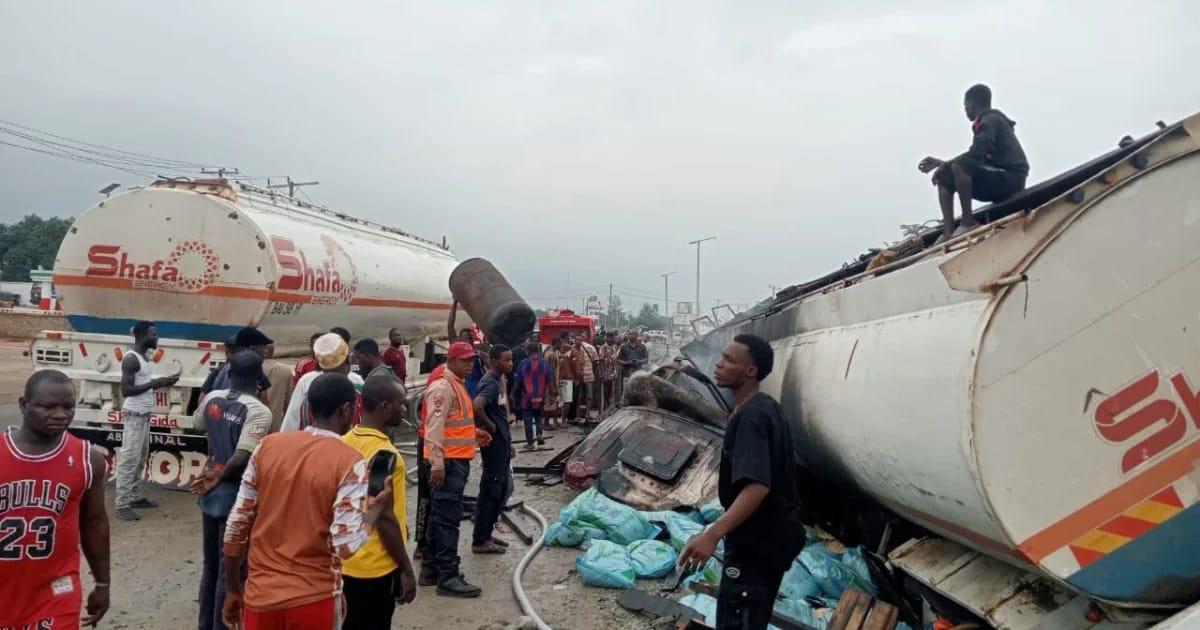
Fatal Truck Collision Ignites Fire, Claims Two Lives on Anambra Expressway

Accidental Rifle Discharge Claims Immigration Officer's Life in Abuja

Kaduna's Kangimi Dam Shows Cracks, NSEMA Cautions FG on Flood Threat
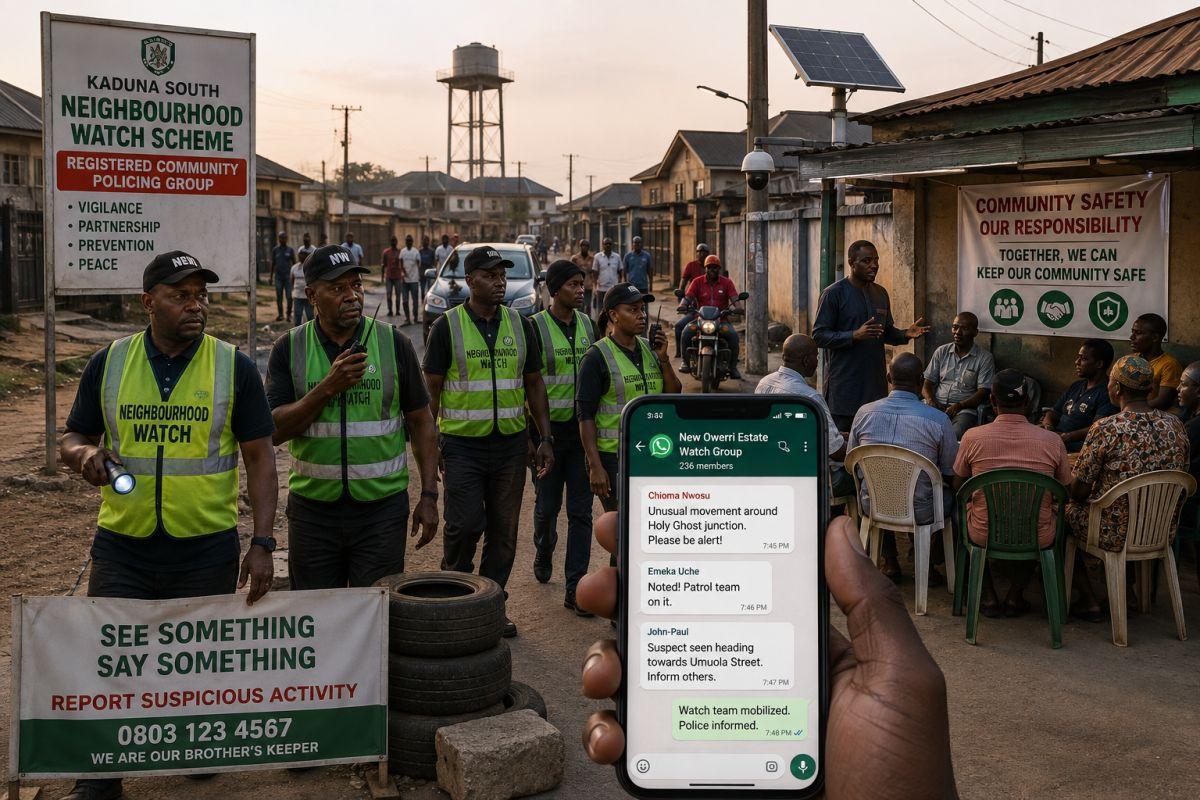
Nigerian Communities Rise: How Local Vigilantes Are Securing Towns

Central African Republic Gold Mine Disaster Kills Over 100 Artisanal Workers