Second-hand fashion in Nigeria: from worries to the okirika boom
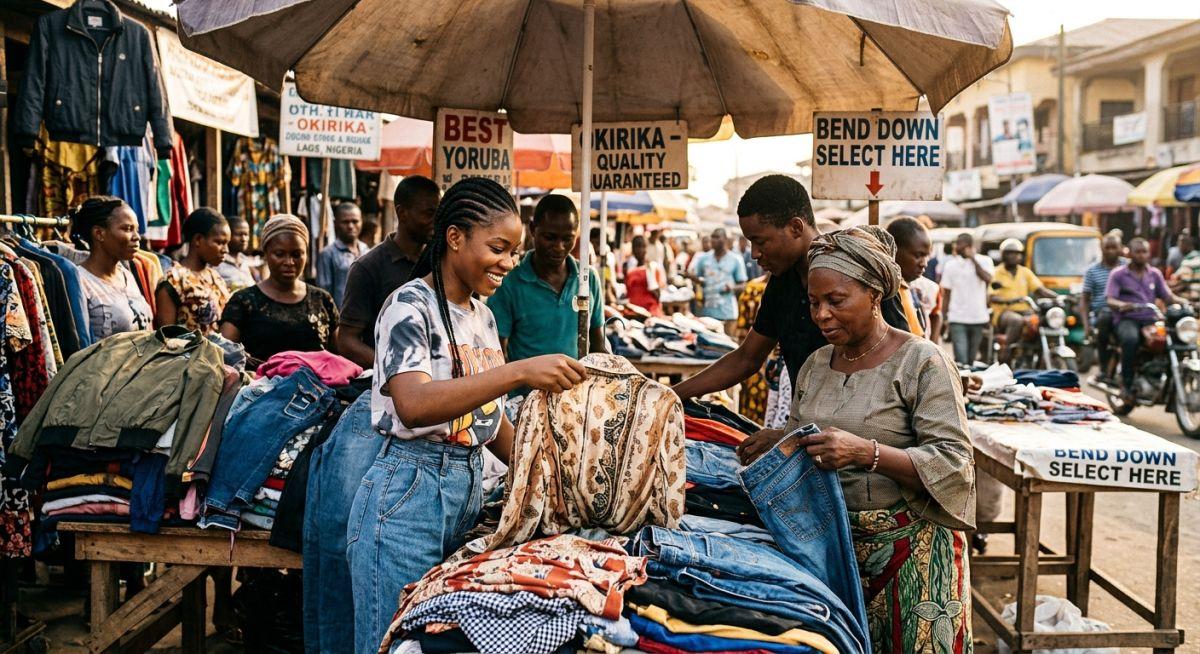
Nigeria's fashion landscape is undergoing a significant transformation, with second-hand clothing, locally known as 'okirika', moving from the fringes of social acceptance to a central role in contemporary style and commerce. What was once viewed by many with apprehension, often associated with economic hardship, has blossomed into a thriving industry, embraced by diverse demographics for its affordability, unique finds, and increasingly, its sustainability.
Historically, the perception of second-hand clothing in Nigeria was often fraught with worry. For many, purchasing 'okirika' was a reluctant necessity, a choice made primarily out of economic constraint rather than preference. There were concerns about hygiene, despite many vendors washing and pressing their wares, and a prevalent social stigma. The act of "bend down select" in bustling markets was often seen as a sign of struggling finances, and individuals might prefer to buy cheaper new items, even if of inferior quality, to avoid the perceived social implications of wearing used garments. This initial apprehension stemmed from a desire for newness and a cultural emphasis on fresh beginnings, often associating second-hand items with a past that wasn't their own.
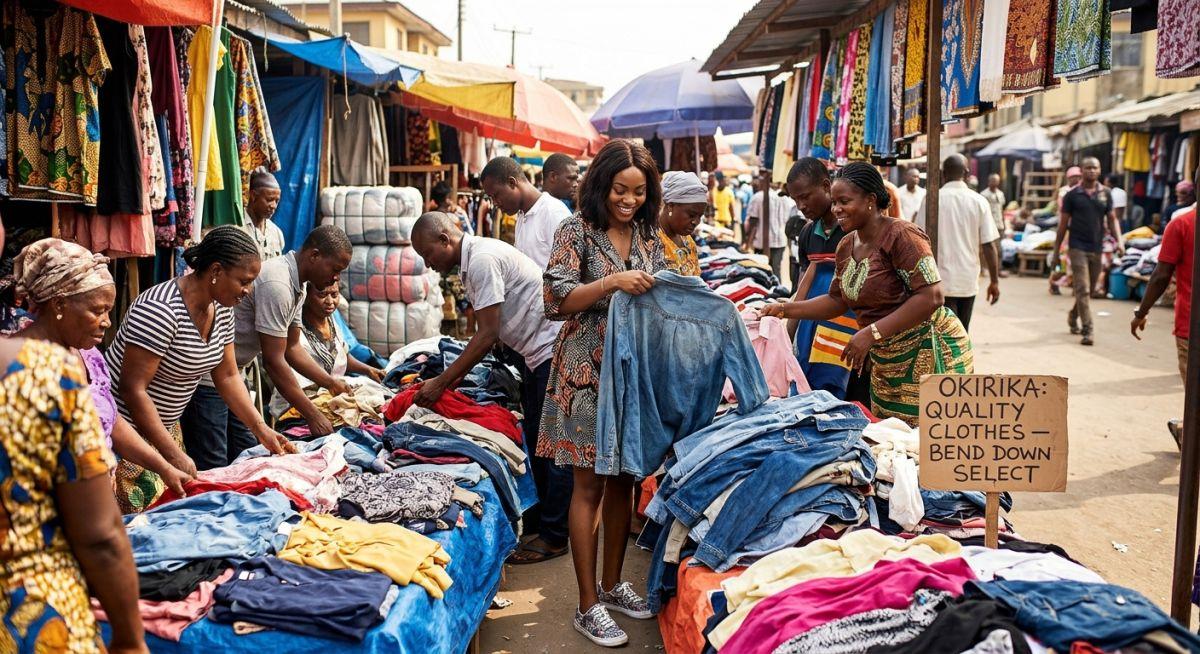
However, shifting economic realities have played a pivotal role in changing these perceptions. With inflationary pressures and the rising cost of new clothing, particularly imported brands, 'okirika' has emerged as a practical and smart alternative for a broader spectrum of society. Consumers have discovered that many second-hand items imported from Europe, North America, and Asia are often of superior quality and durability compared to some newly manufactured, mass-produced garments available at similar price points. It is not uncommon to find high-end denim, designer blouses, or well-stitched outerwear that can withstand years of wear, all at a fraction of their original retail price. This tangible value proposition has gradually eroded the initial stigma, replacing it with an appreciation for quality and longevity.
Beyond mere affordability, the 'okirika' market has cultivated a strong sense
Gallery
Comments
(0)0/500 · No URLs or profanity allowed
Nigeria's fashion landscape is undergoing a significant transformation, with second-hand clothing, locally known as 'okirika', moving from the fringes of social acceptance to a central role in cont...
Related Stories
Gele & Ichafu: Unpacking Nigerias Iconic Head-wrap Culture & Style
How Lagos Fashion Week is becoming Africas most-watched style show
Nigerian Fashion Influencers: Slaying Global Trends & Redefining Style
Ankara Reigns: How Nigerian Designers Are Revolutionizing Urban Fashion!
Unlocking Nigerias Beauty Goldmine: How Local Ingredients are Dominating Glob...