How Lagos Fashion Week is becoming Africas most-watched style show
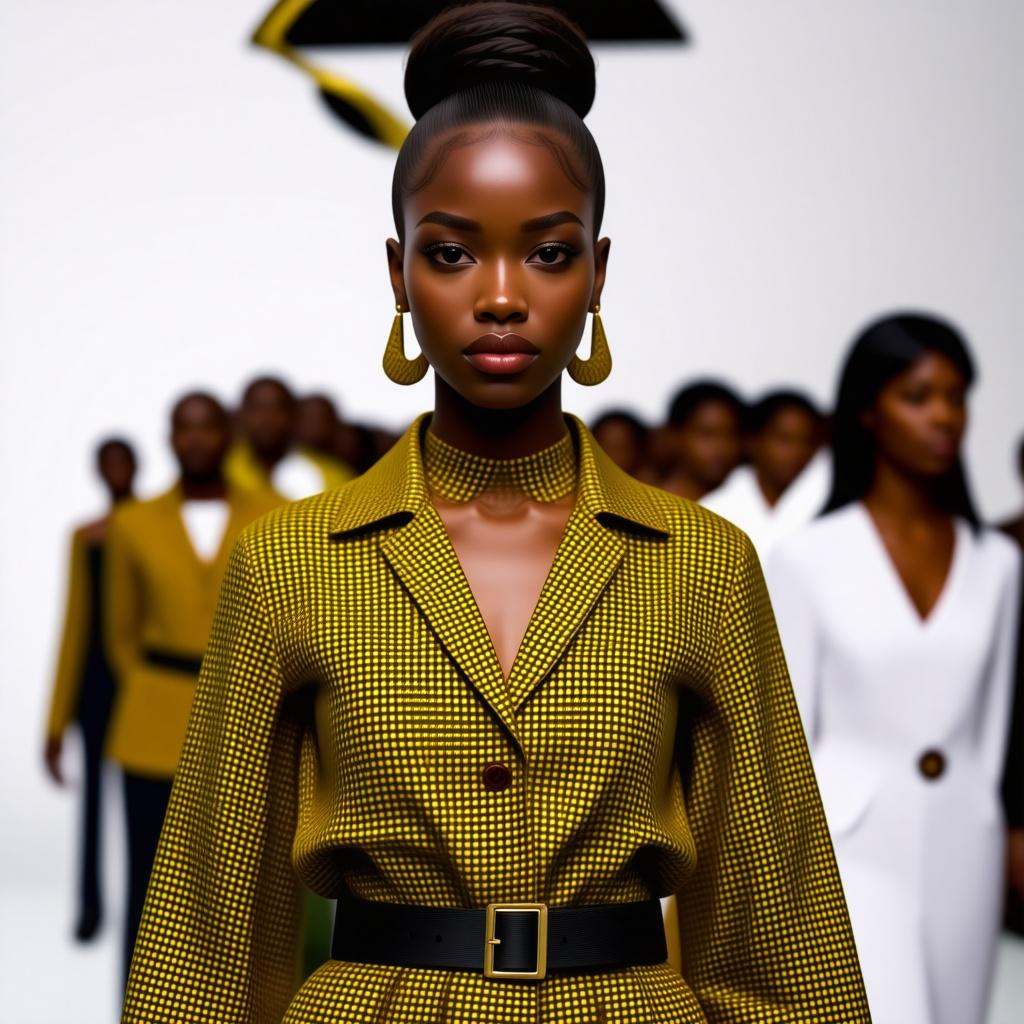
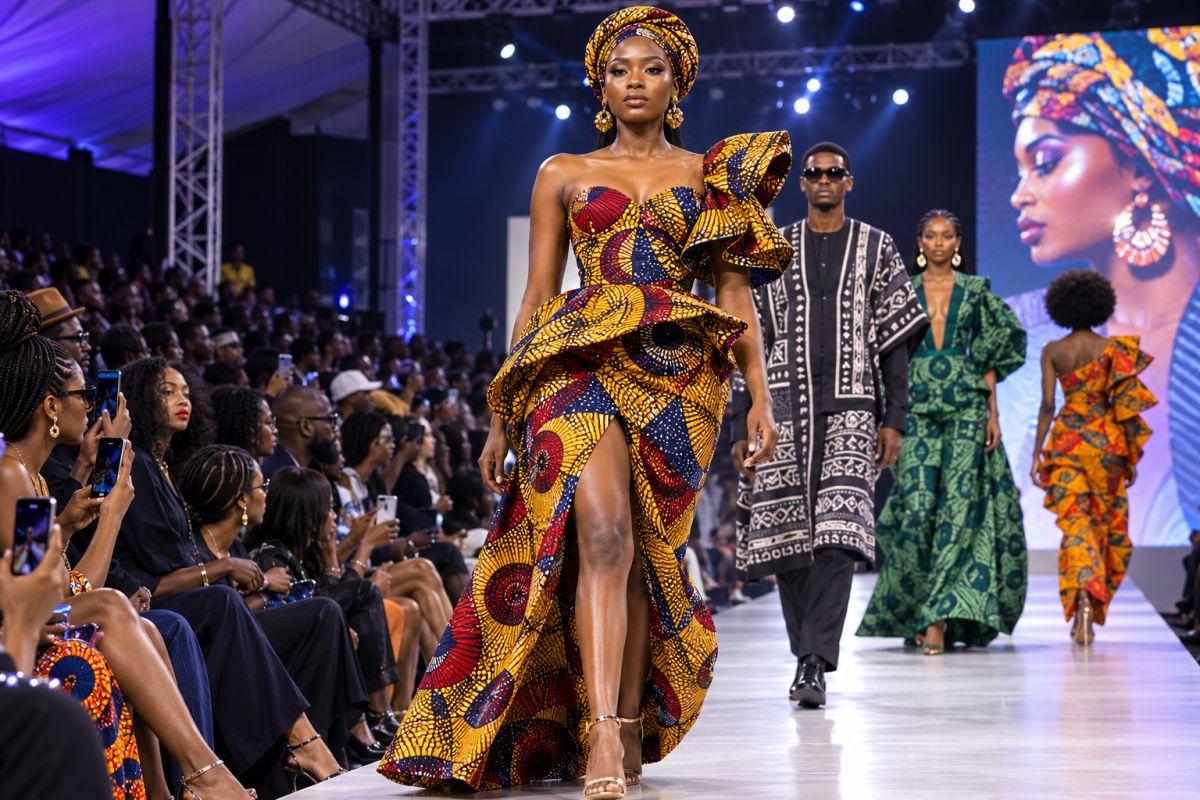
Lagos Fashion Week (LFW) has steadily cemented its position as a pivotal event on the global fashion calendar, transcending its origins to become arguably Africa's most anticipated and watched style showcase. What began as a platform to spotlight local talent has evolved into a dynamic hub, drawing international attention and projecting African creativity onto the world stage. This transformation is driven by several key factors, ranging from its strategic focus on authentic narratives to its innovative use of digital platforms and robust industry partnerships.
One of the primary drivers of LFW's growing prominence is its unwavering commitment to showcasing authentic African narratives and emerging talent. The event provides a crucial stage for designers who skillfully blend traditional craftsmanship with contemporary aesthetics, telling stories deeply rooted in African heritage. Brands like Orange Culture, Kenneth Ize, and Lisa Folawiyo, who have all gained significant international recognition, have historically leveraged LFW to debut collections that celebrate indigenous textiles, vibrant colours, and unique silhouettes. This focus ensures that the fashion presented is not merely trend-driven but culturally resonant and distinctive, capturing the imagination of a global audience seeking originality and depth. Each season, LFW highlights a diverse array of designers, from established names to newcomers, fostering an ecosystem that nurtures creativity and innovation within the continent.
Beyond the runway, LFW's strategic partnerships and global reach have been instrumental in amplifying its influence. Organised by Style House Files, LFW has forged collaborations with prominent international bodies such as the British Fashion Council and Pitti Uomo, creating pathways for African designers to access global markets and mentorship opportunities. These partnerships facilitate cross-cultural exchanges and provide platforms for designers to present their work to international buyers, press, and fashion enthusiasts beyond the shores of Nigeria. The event has also embraced digital innovation, with live streaming of shows and extensive social media coverage, expanding its viewership to millions worldwide. This digital accessibility ensures that geographical barriers do not hinder engagement, allowing a broader audience to experience the vibrancy of African fashion in real-time.
Furthermore, LFW acts as a significant catalyst for economic development within Nigeria's creative industry. The event generates substantial employment opportunities across various sectors, from models, stylists, and photographers to production teams, logistics, and hospitality services. It also stimulates demand for local manufacturing and craftsmanship, supporting artisans and small businesses involved in textile production and garment making. Initiatives like Fashion Focus Africa, an accelerator program for emerging designers, provide essential business training, mentorship, and grants, empowering new brands to scale and thrive. LFW's contribution extends beyond the runway, fostering a robust fashion ecosystem that adds value to the national economy and promotes entrepreneurship.
The event's consistent ability to generate significant buzz through influencer and celebrity engagement also contributes to its widespread viewership. Nigerian celebrities, fashion influencers
Comments
(0)0/500 · No URLs or profanity allowed
Lagos Fashion Week (LFW) has steadily cemented its position as a pivotal event on the global fashion calendar, transcending its origins to become arguably Africa's most anticipated and watched styl...
Related Stories
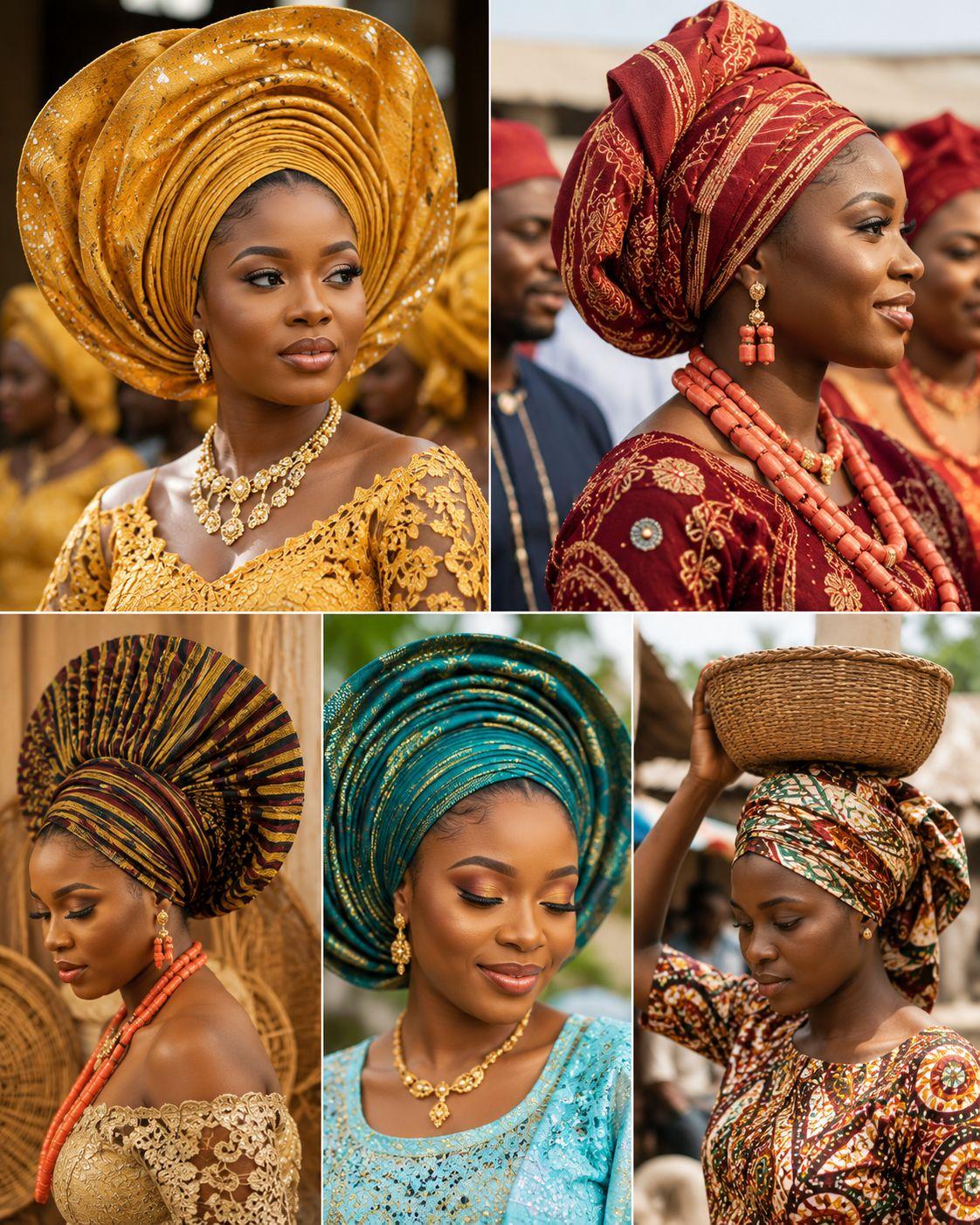
Gele & Ichafu: Unpacking Nigerias Iconic Head-wrap Culture & Style
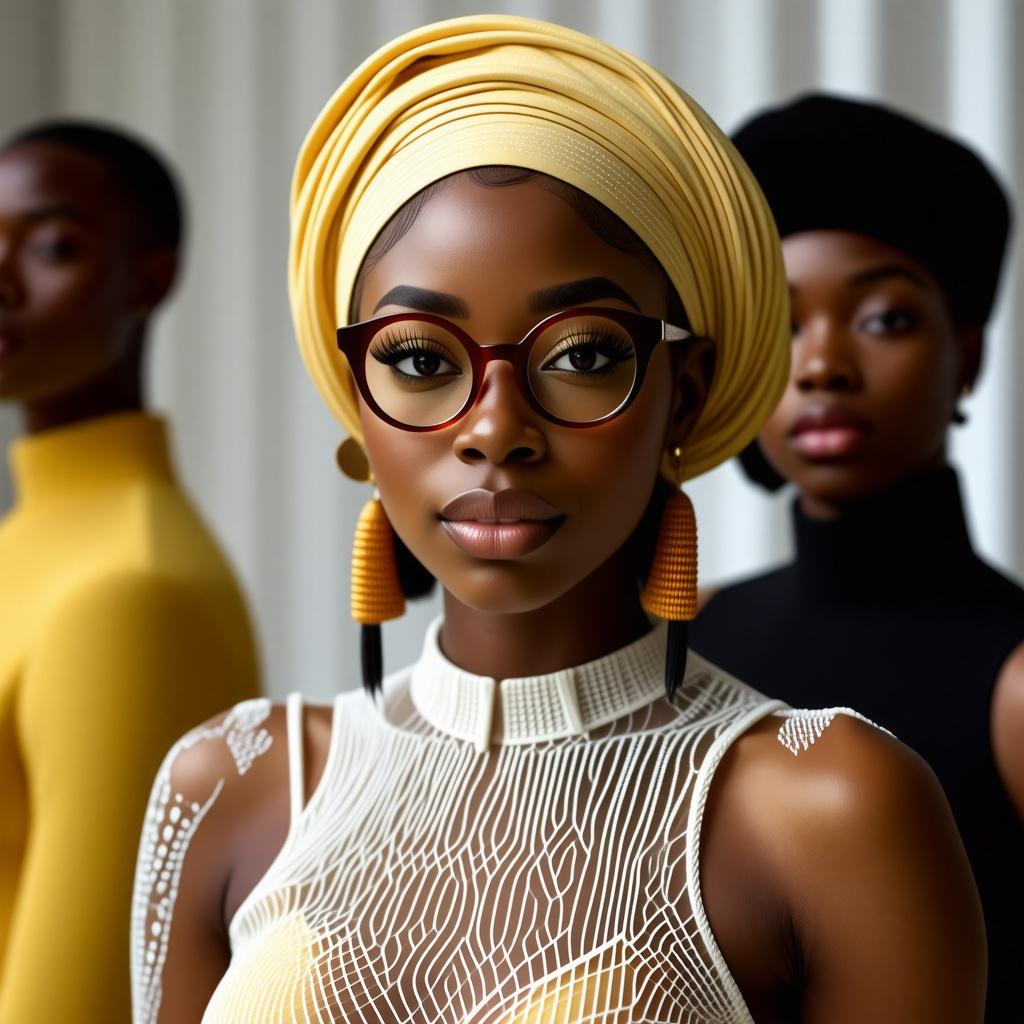
Nigerian Fashion Influencers: Slaying Global Trends & Redefining Style
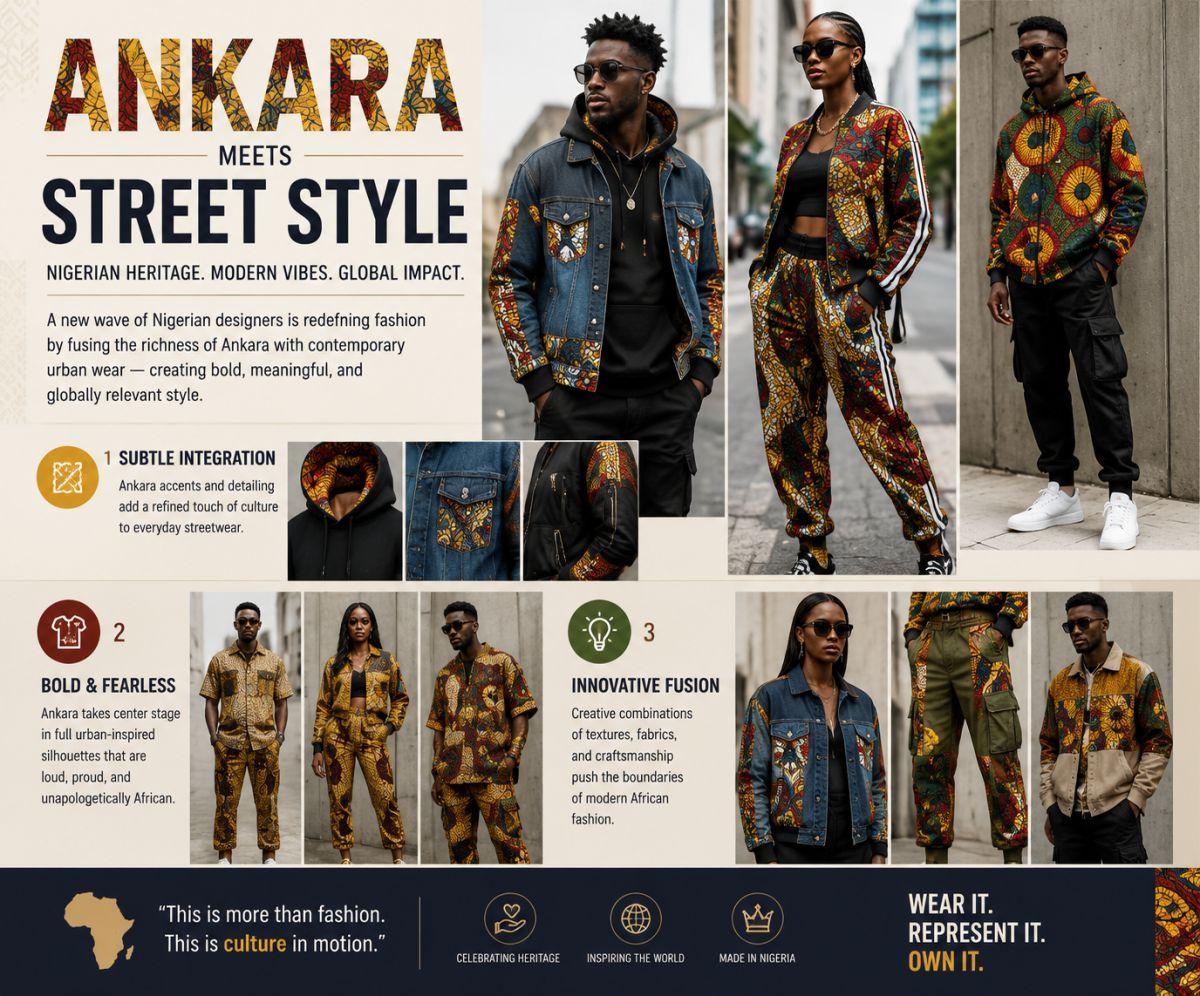
Ankara Reigns: How Nigerian Designers Are Revolutionizing Urban Fashion!
Unlocking Nigerias Beauty Goldmine: How Local Ingredients are Dominating Glob...
How Lagos Fashion Week is becoming Africas most-watched style show