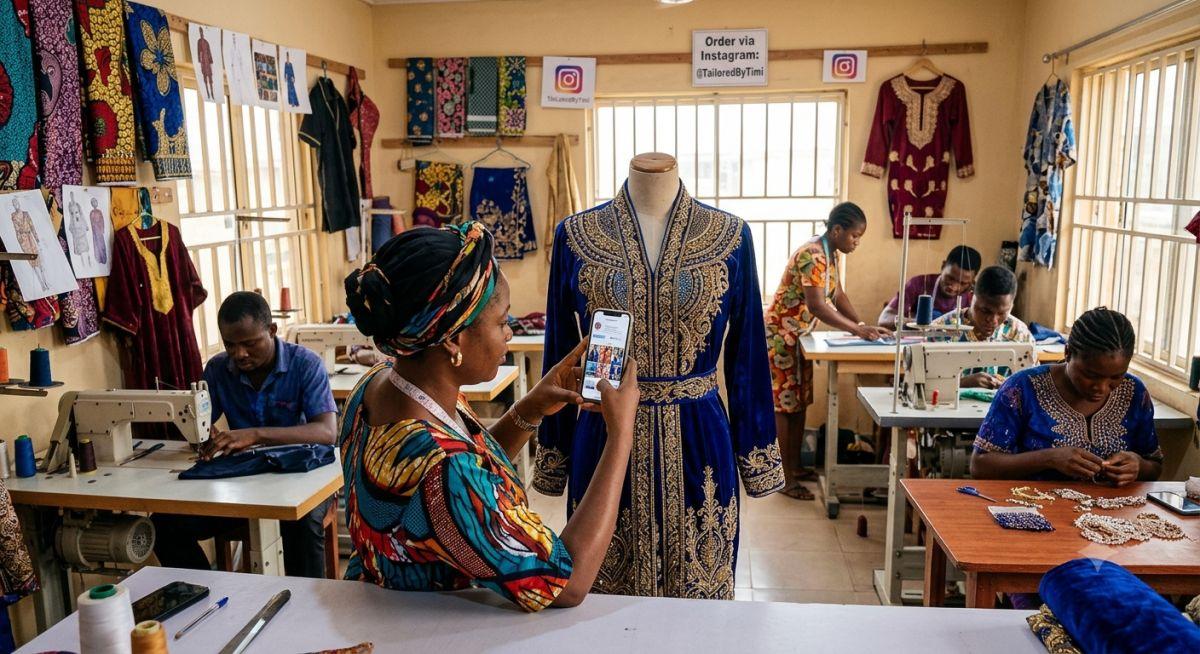
Unveiling the Power of Nigerian Headwraps: Culture, Status & Style
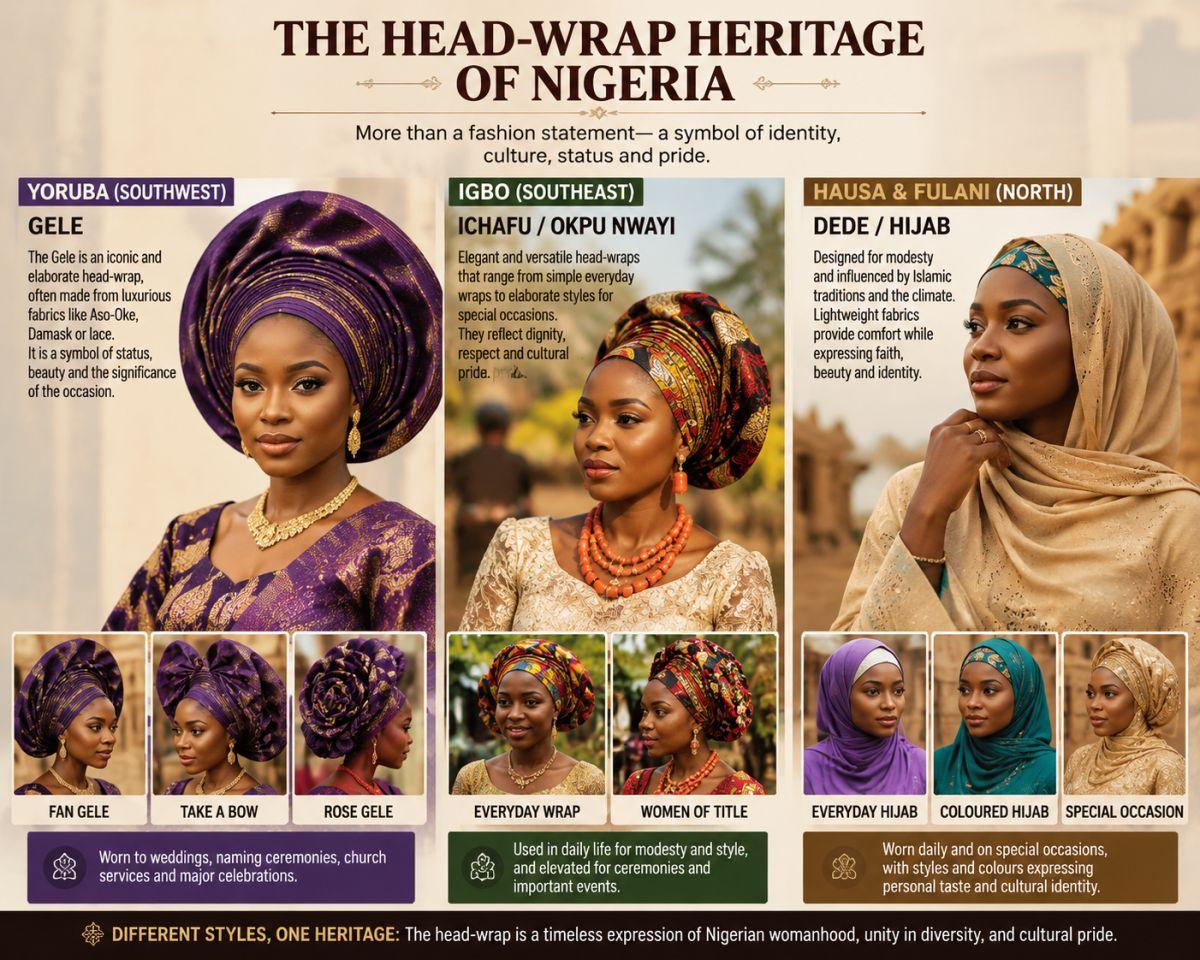
In Nigeria, a nation renowned for its vibrant cultures and diverse traditions, few fashion elements speak volumes quite like the head-wrap. More than just an accessory, the head-wrap is a powerful symbol of identity, status, occasion, and cultural heritage, intricately woven into the fabric of everyday life and grand celebrations. From bustling city streets to serene village gatherings, women across the country adorn their heads with an array of fabrics and styles, each telling a unique story of its origin and the hands that tied it. This article delves into the fascinating world of Nigerian head-wraps, exploring how different ethnic groups have shaped and maintained distinct styles, transforming a simple piece of cloth into a profound cultural statement.
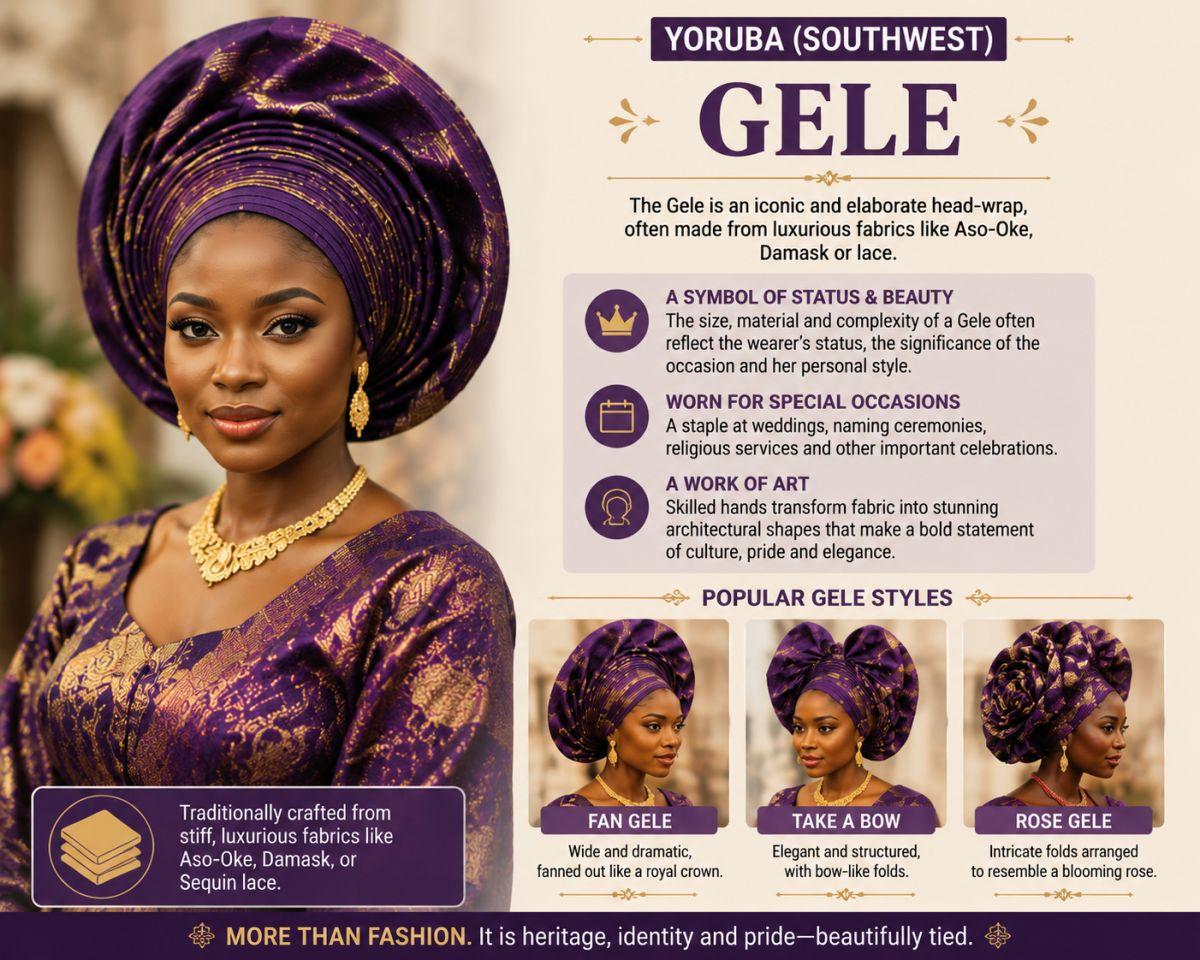
The artistry of head-wrapping in Nigeria is perhaps most famously exemplified by the Yoruba people of the Southwest. Their iconic head-wrap, known as the "Gele," is a masterpiece of fabric manipulation, often reaching impressive heights and intricate folds. Traditionally crafted from stiff, luxurious fabrics like Aso-Oke, Damask, or Sequin lace, the Gele is a staple at weddings, naming ceremonies, religious services, and significant social events. Its tying is an elaborate process, with skilled practitioners capable of sculpting the fabric into architectural forms like the "Fan Gele," "Take A Bow," or "Rose Gele." The size, material, and complexity of a Gele often communicate the wearer's status, the significance of the occasion, and even her personal style. In recent decades, the Gele has seen a resurgence in popularity, with modern interpretations incorporating lighter fabrics and pre-tied versions, allowing for broader adoption while maintaining its regal essence.
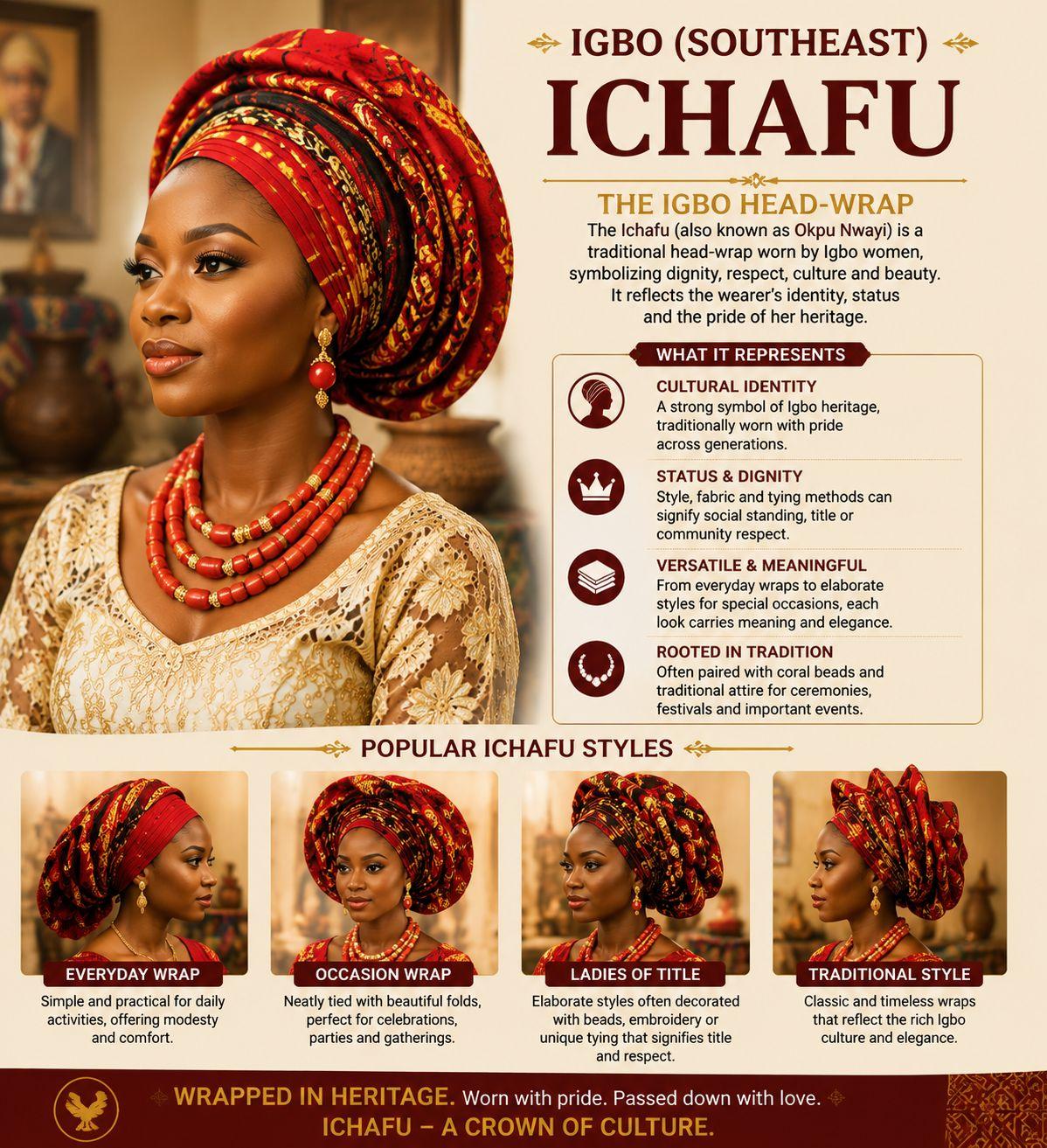
Moving eastward, the Igbo people present a diverse range of head-wrap styles, generally referred to as "Ichafu" or "Okpu Nwayi." While perhaps less overtly architectural than the Gele, Igbo head-wraps are rich in symbolism and adaptability. For everyday wear, women might opt for simpler, more practical wraps made from cotton or Ankara fabrics, offering modesty and protection. However, for special occasions, the Ichafu transforms into an elaborate display of colour and texture. Women of title, such as "Lolo" (wives of traditional rulers) or those who have attained significant community standing, often wear highly decorated Ichafu, sometimes embellished with coral beads, intricate embroidery, or unique tying methods that signify their position. The choice of fabric, often bold and vibrant, reflects the Igbo appreciation for colour and design, while the wrap itself can symbolize dignity, respect, and cultural pride.
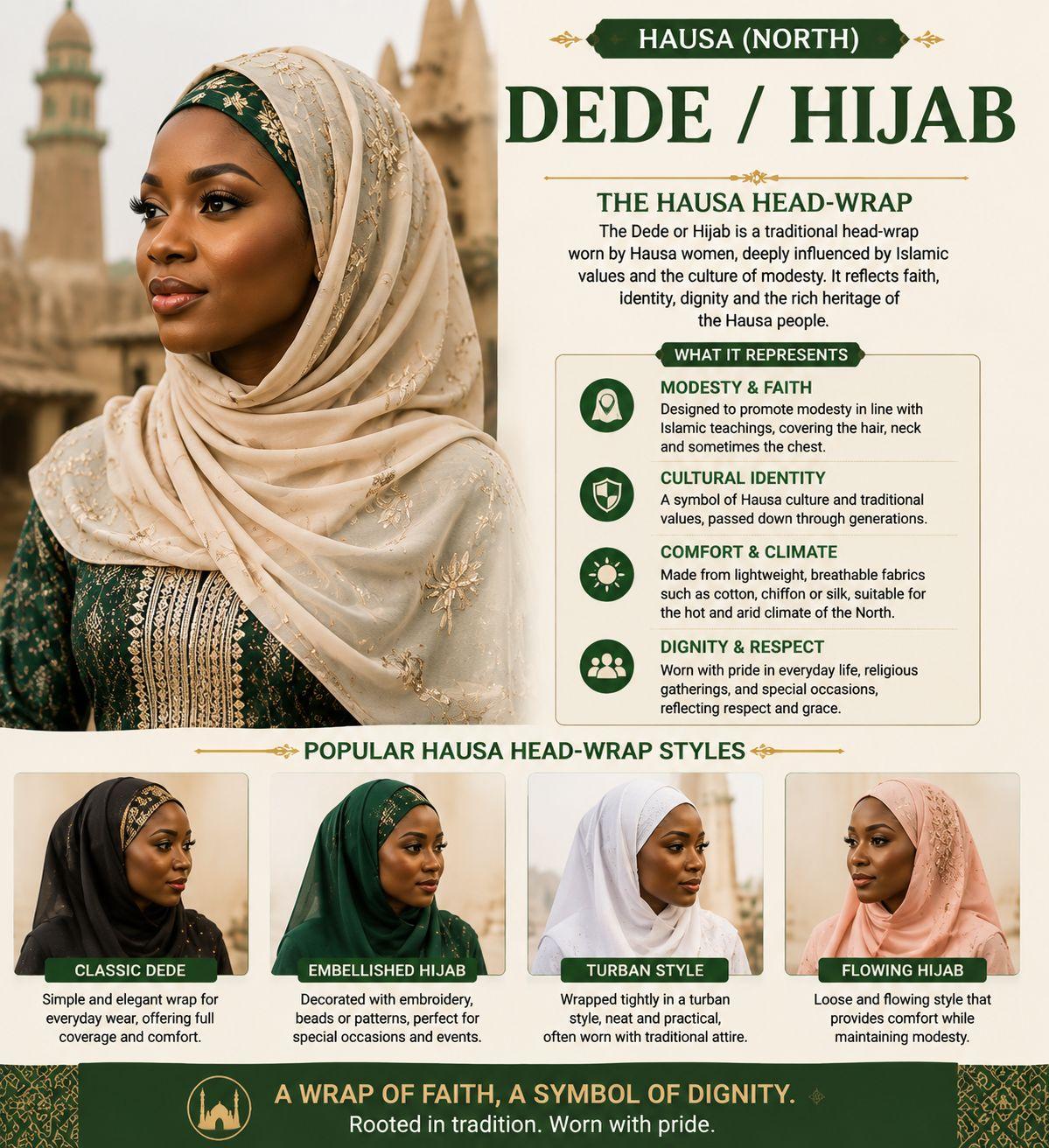
In the northern regions, among the Hausa and Fulani ethnic groups, the head-wrap takes on a character strongly influenced by Islamic traditions and the arid climate. Women predominantly wear the "Dede" or "Hijab," which are designed primarily for modesty, covering the hair, neck, and sometimes the chest. These wraps are typically made from lightweight, breathable fabrics like cotton, chiffon, or silk, providing comfort in the heat while
Gallery
Comments
(0)0/500 · No URLs or profanity allowed
Nigerian headwraps are more than fashion; theyre powerful symbols of identity, status, and heritage. Discover their rich stories woven into everyday life and grand celebrations across the nation.
Related Stories
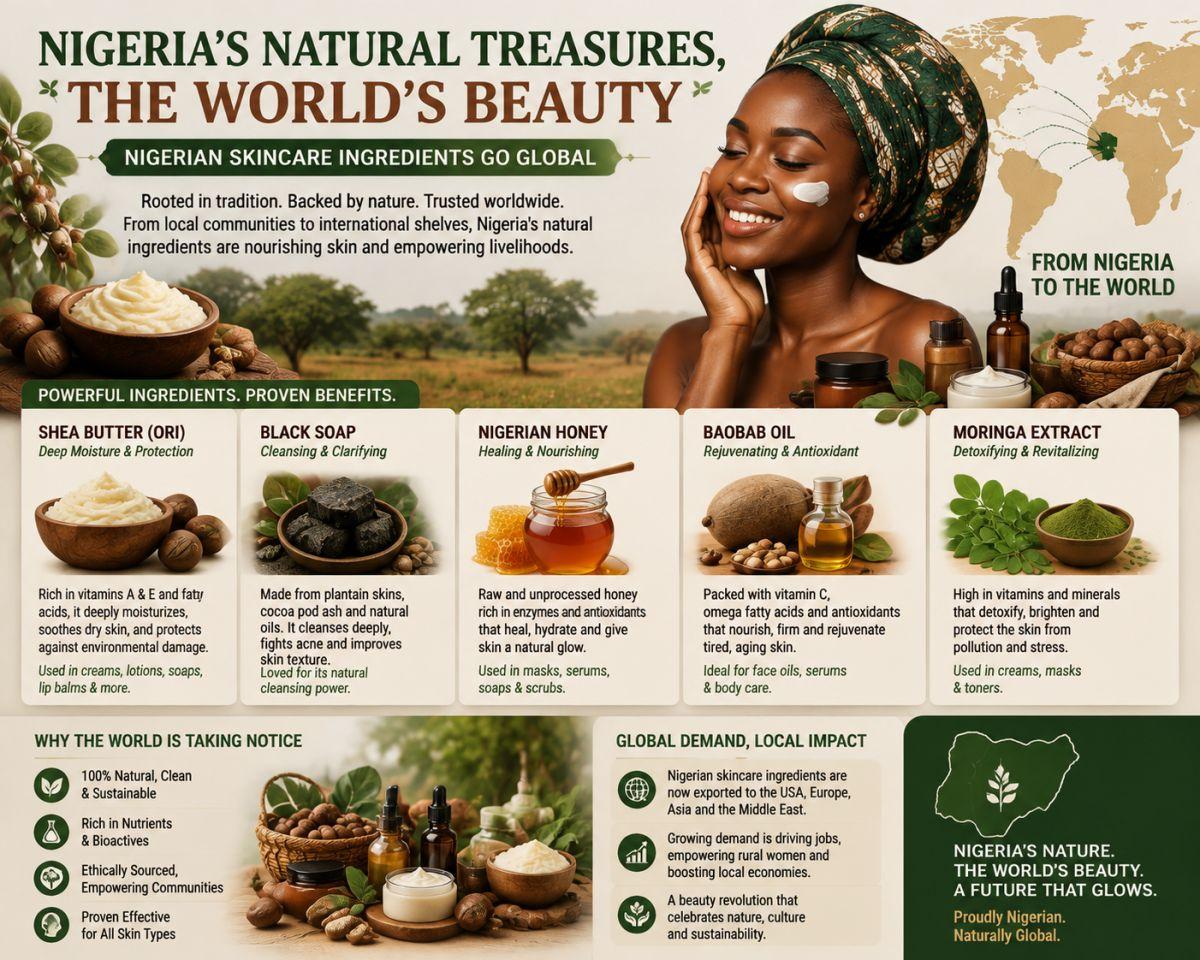
The rise of local skincare: natural ingredients the world is importing
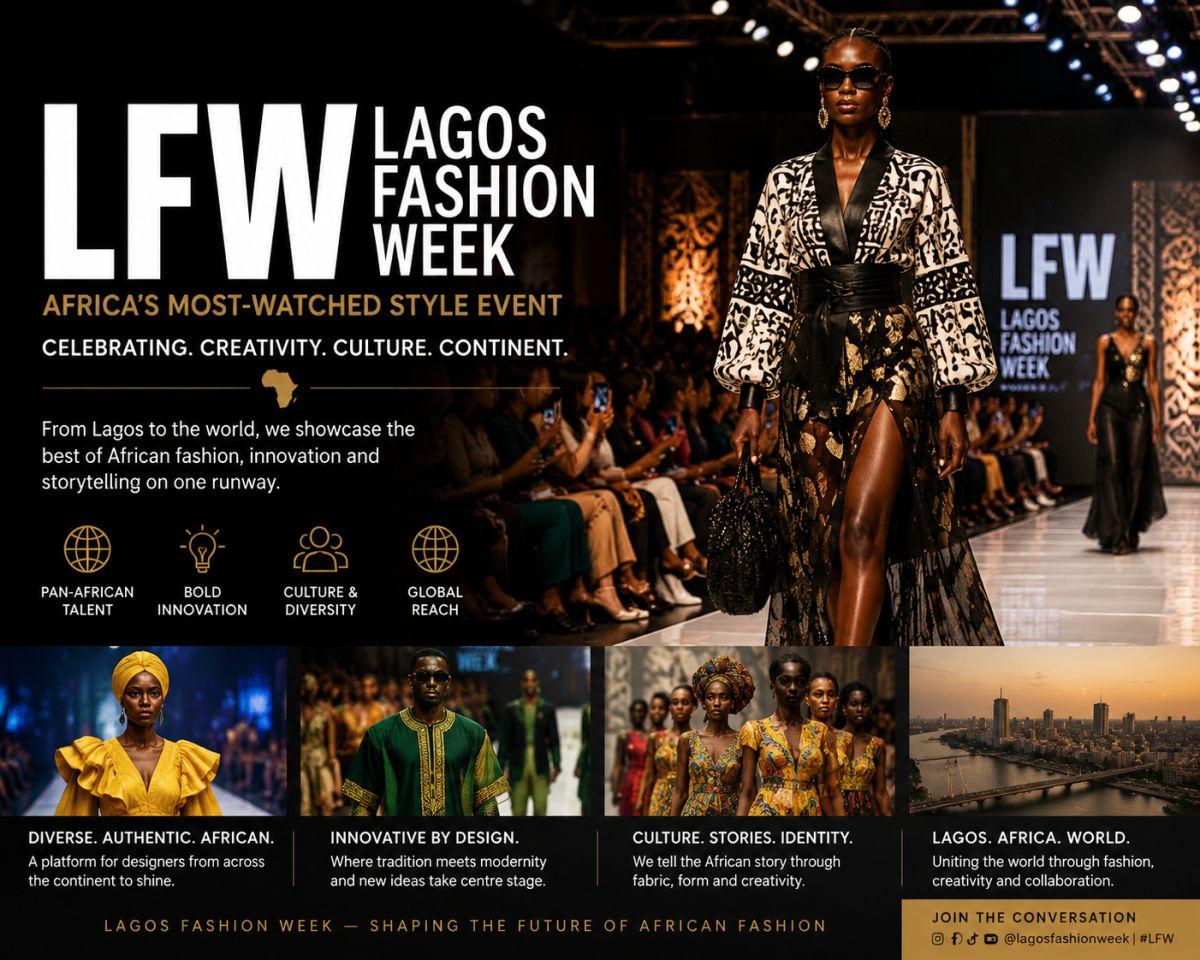
How Lagos Fashion Week is becoming Africas most-watched style show
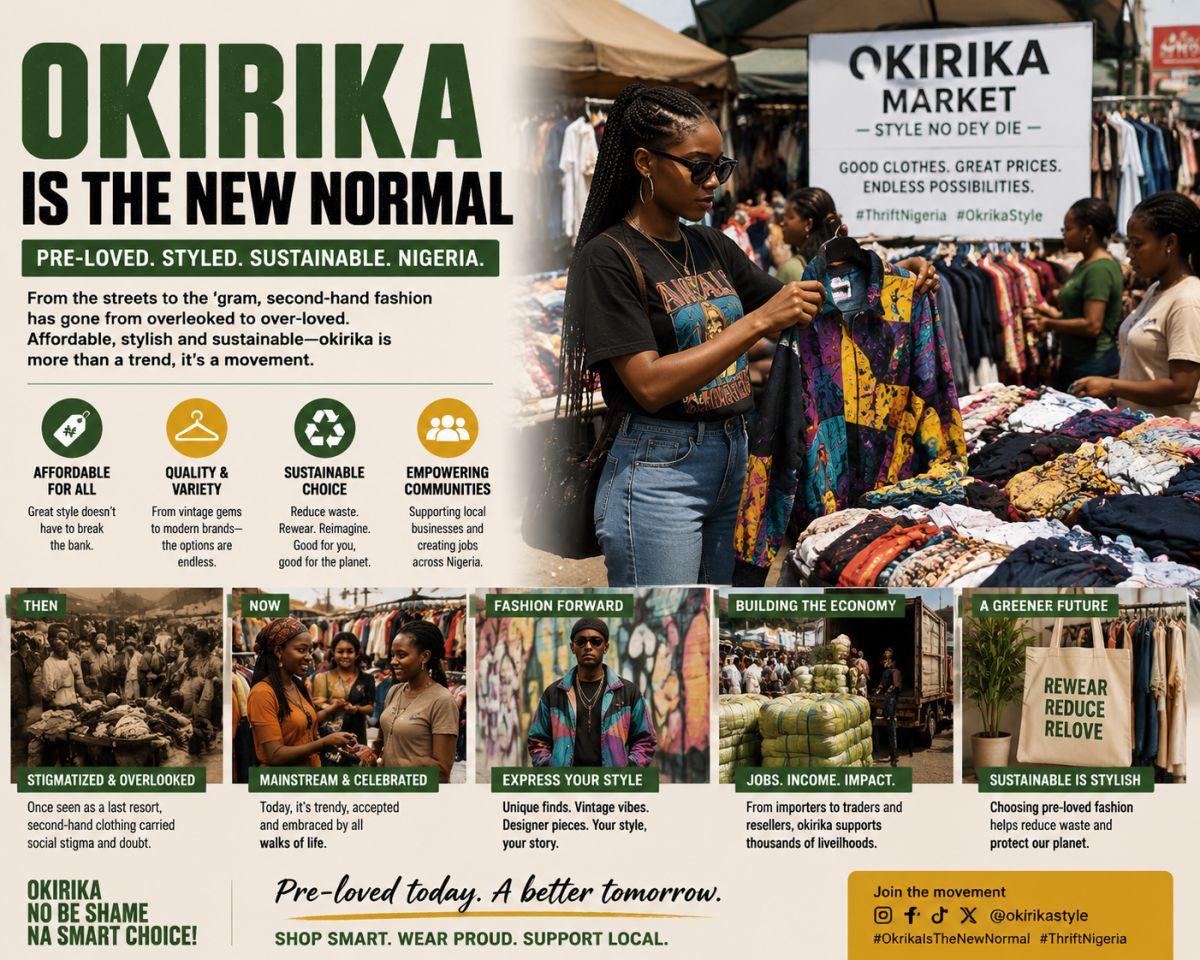
Second-hand fashion in Nigeria: from worries to the okirika boom
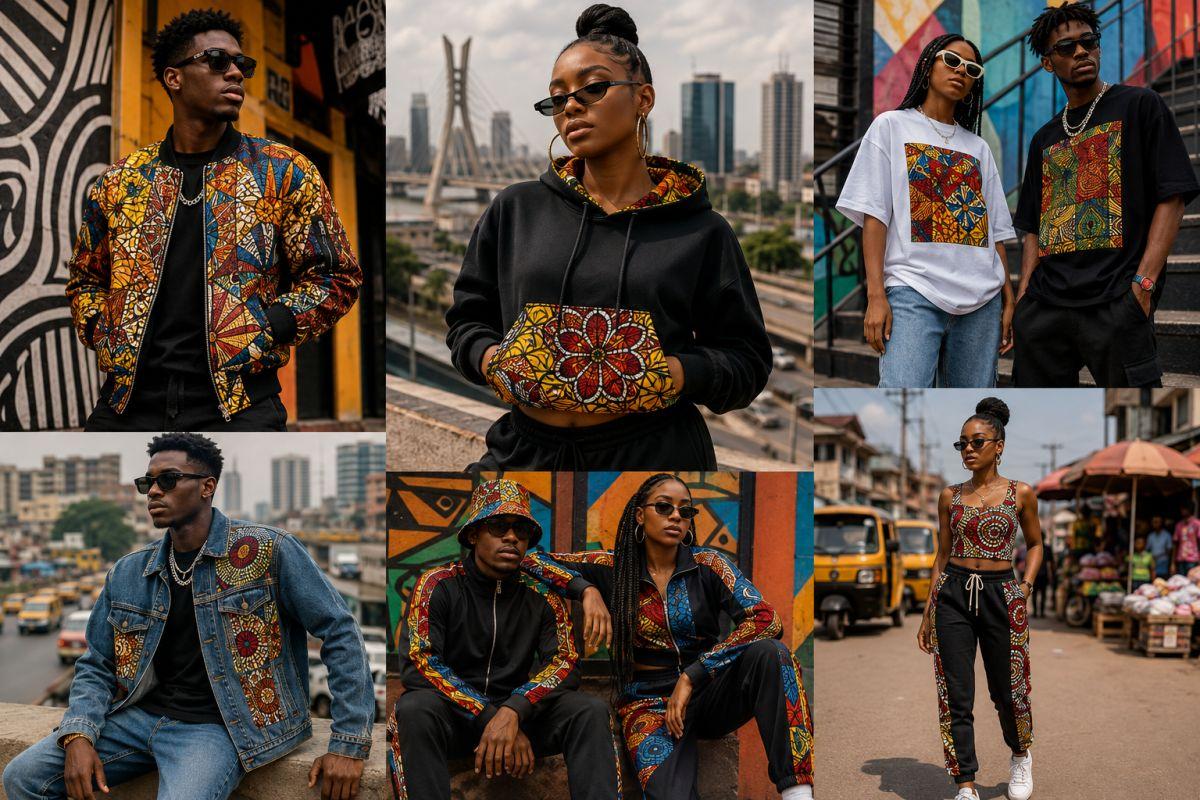
How Nigerian designers are mixing Ankara with contemporary urban wear
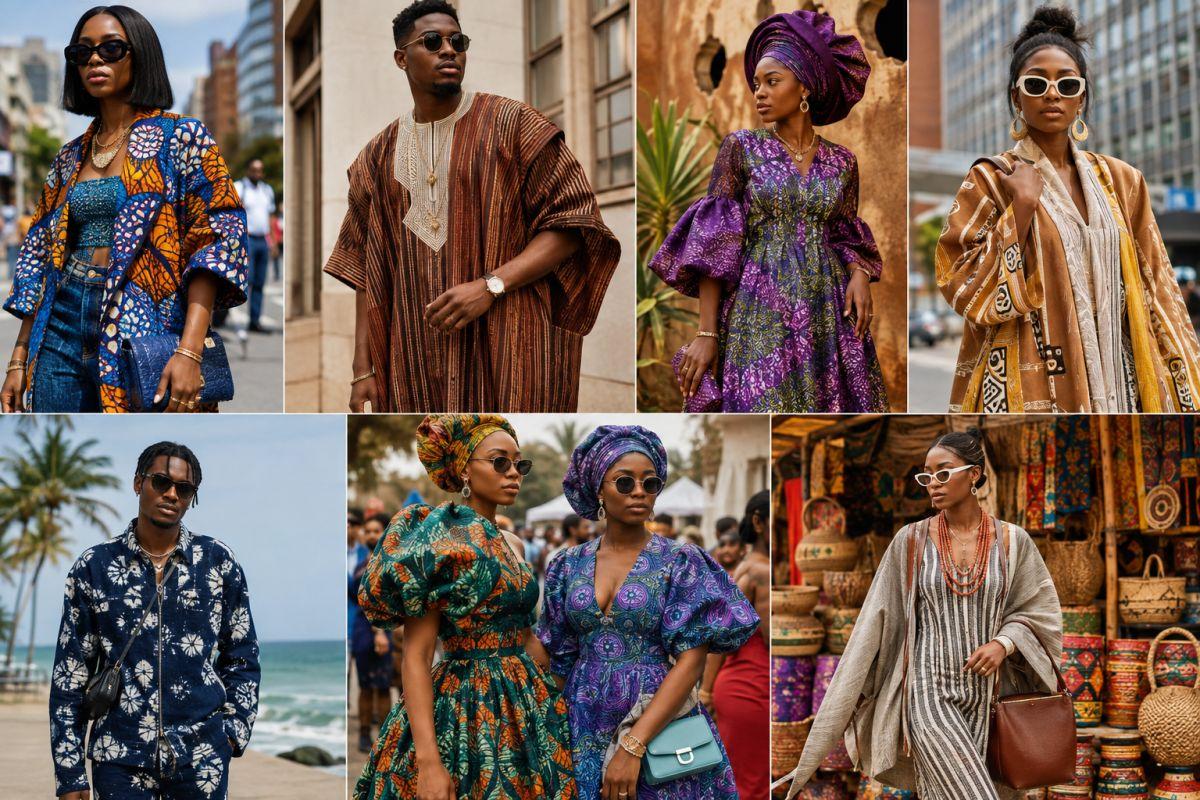
How Nigerian fashion influencers are shaping global trends online