Second-hand fashion in Nigeria: from worries to the okirika boom
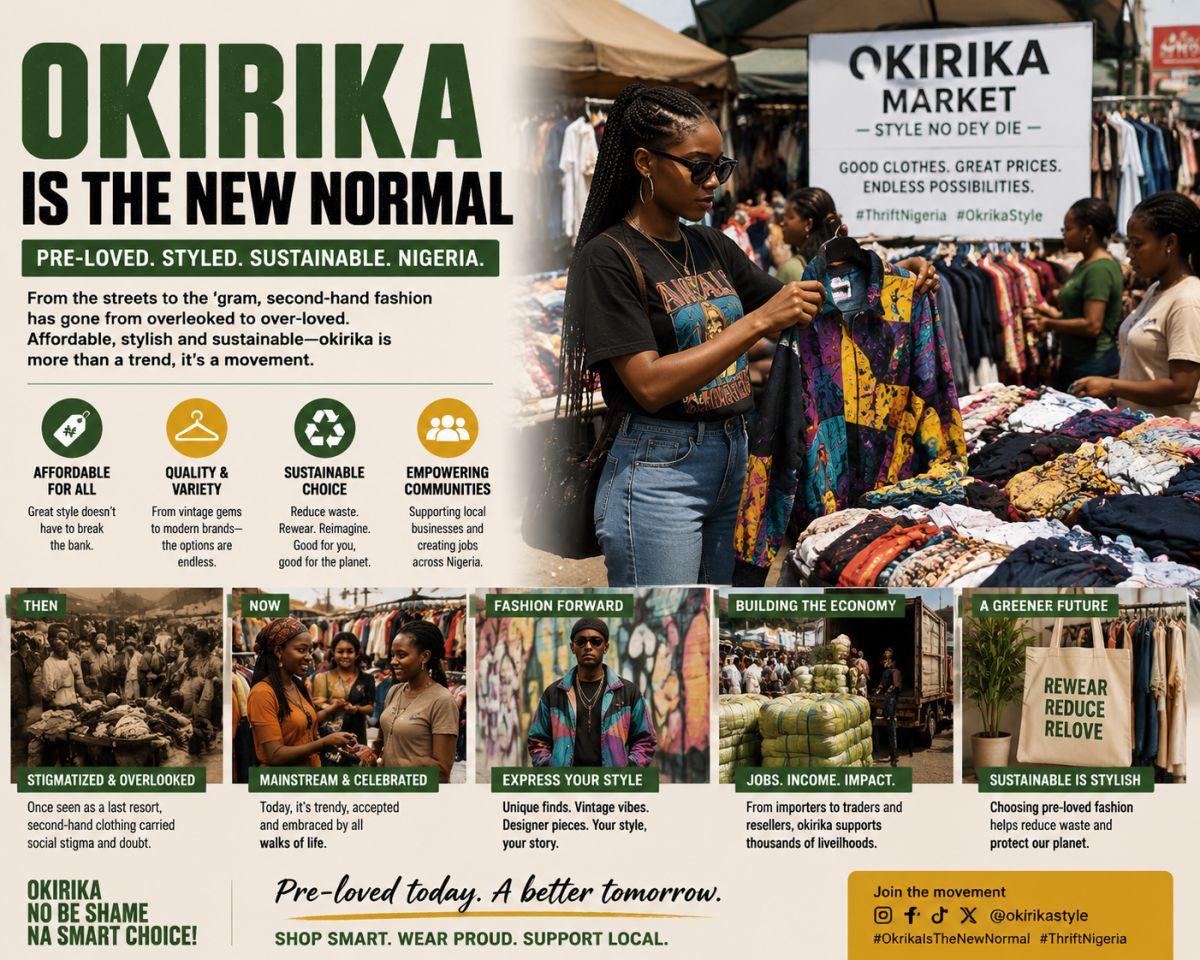
Nigeria's fashion landscape is experiencing a remarkable evolution, with second-hand clothing, widely known as 'okirika,' moving from the fringes of social acceptance to the forefront of mainstream style and commerce. Once viewed with skepticism or as a last resort, these pre-loved garments now fuel a thriving industry, reflecting shifting consumer attitudes, economic realities, and a growing appreciation for sustainable fashion practices across the nation.
Historically, the perception of second-hand clothing in Nigeria was often fraught with apprehension. For many, 'okirika' carried a social stigma, associated with poverty or concerns about hygiene and unknown origins. Older generations, in particular, often preferred newly purchased items, even if more expensive, viewing them as symbols of status and cleanliness. The idea of wearing clothes previously owned by strangers, particularly from Western countries, raised questions about cultural appropriateness and personal identity. This initial reluctance shaped consumer choices for decades, confining the 'okirika' market largely to specific low-income demographics.
However, the economic climate has been a primary catalyst for the 'okirika' boom. With inflation rates persistently high and the cost of living increasing, disposable income for many Nigerian households has tightened considerably. The price gap between new, often imported, clothing and good-quality second-hand items is substantial. For instance, a brand-new pair of jeans might cost several thousand Naira, while a similar or even superior quality pair can be sourced from an 'okirika' market for a fraction of the price. This affordability factor has become a critical consideration for a broad spectrum of consumers, from students to middle-income families seeking to dress well within their budgets without compromising on style.
Beyond mere affordability, the quality and variety offered by the 'okirika' market have significantly contributed to its appeal. Unlike local perceptions of worn-out clothing, many second-hand bales contain high-grade items, often referred to as 'Belgium' in the market, signifying their premium quality. Shoppers can discover nearly-new designer pieces, durable vintage wear, and unique garments that are hard to find in conventional stores. The thrill of the '
Comments
(0)0/500 · No URLs or profanity allowed
Nigeria's fashion landscape is experiencing a remarkable evolution, with second-hand clothing, widely known as 'okirika,' moving from the fringes of social acceptance to the forefront of mainstream...
Related Stories
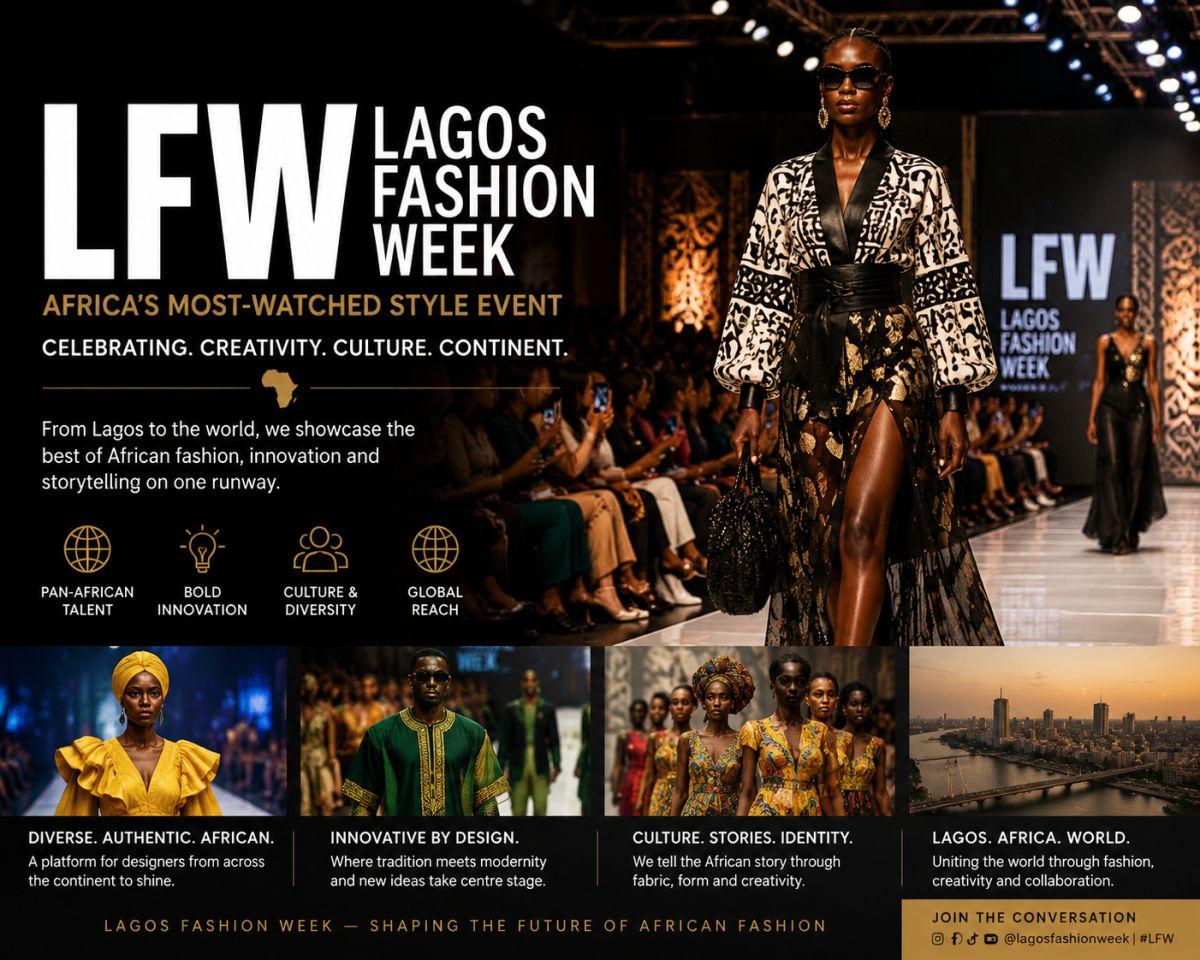
How Lagos Fashion Week is becoming Africas most-watched style show
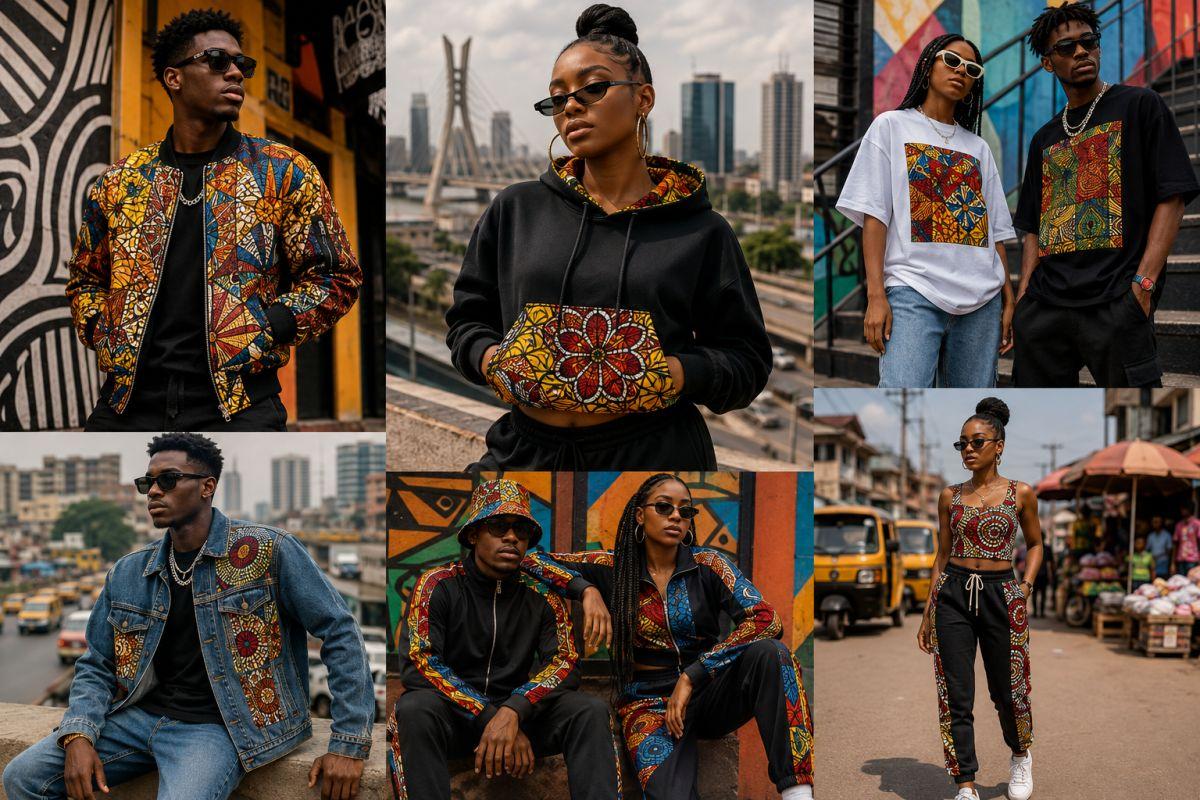
How Nigerian designers are mixing Ankara with contemporary urban wear
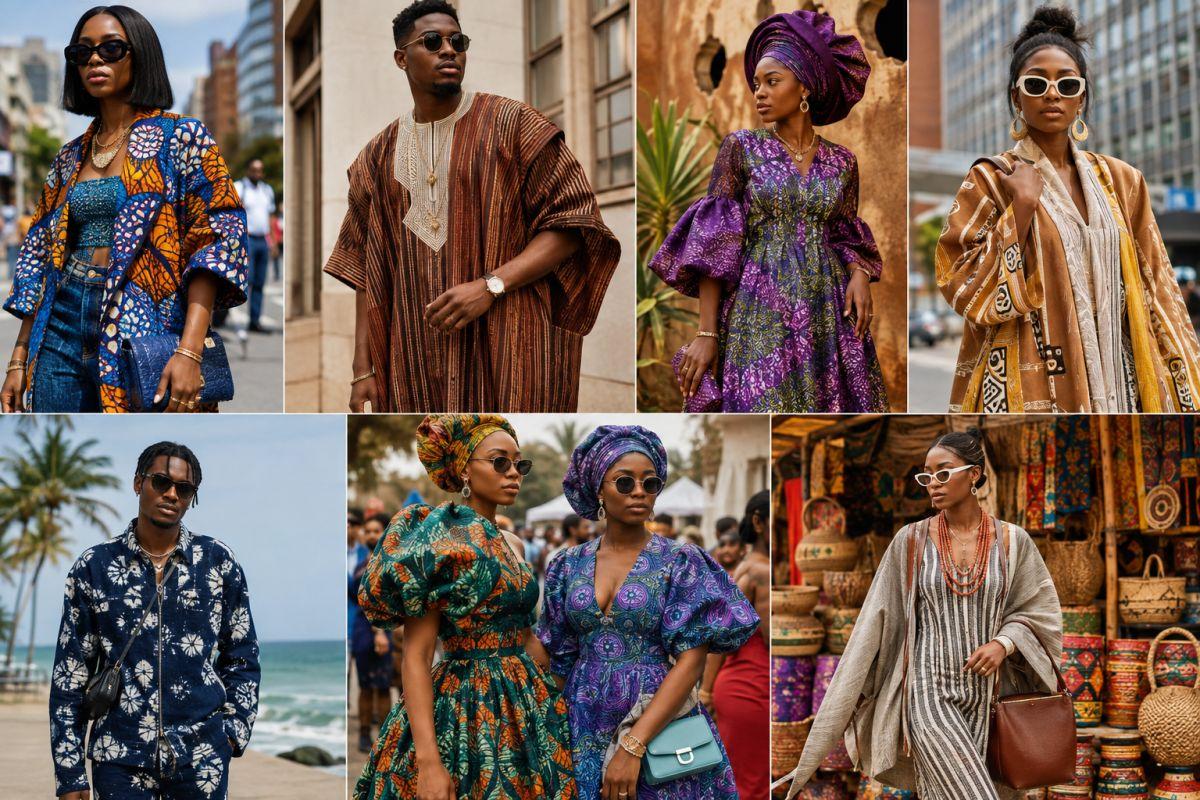
How Nigerian fashion influencers are shaping global trends online
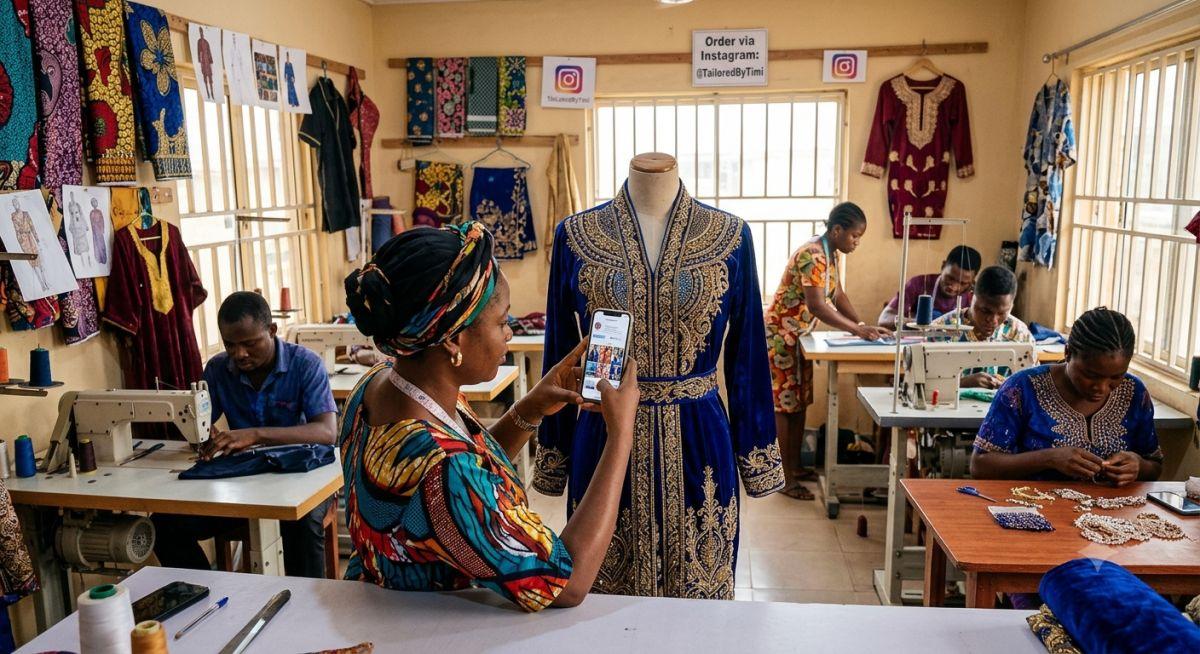
Nigerian Tailors Go Digital: Instagrams Impact on Bespoke Fashion
Global Transparency Team Evaluates Nigeria's Oil, Gas Reforms