AI & Nigeria
Full Story
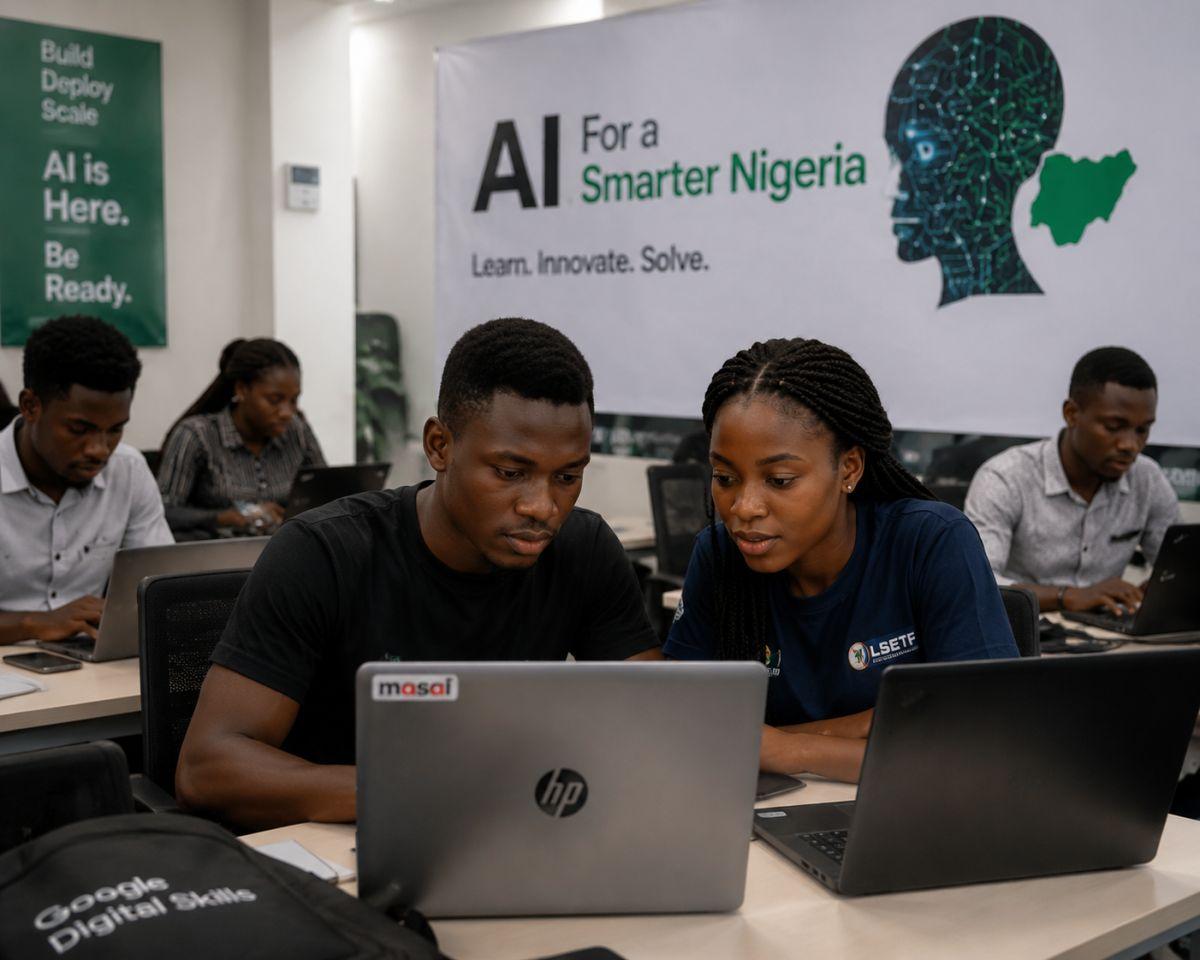
Artificial intelligence (AI) is rapidly transforming industries, economies, and societies worldwide. For Nigerian youths, a demographic powerhouse representing over 60% of the nation’s population, AI presents both a profound challenge and an unprecedented opportunity. As this technology becomes more integrated into daily life and professional spheres, understanding its potential and preparing for its impact is crucial for the country’s future. The question for many young Nigerians is not if AI will arrive, but how they can harness its power to innovate, create, and thrive.
One significant area where AI can empower Nigerian youths is in enhanced learning and skill acquisition. Traditional educational systems often face limitations, but AI offers personalized learning experiences that can bridge these gaps. AI-powered platforms can adapt to individual learning styles, provide instant feedback, and offer access to vast repositories of knowledge. For instance, tools like intelligent tutoring systems can help students in remote areas access quality education, while AI-driven language learning apps can open doors to global opportunities. Moreover, platforms offering courses in AI, data science, and programming, often leveraging AI to tailor content, are making specialized skills more accessible. This democratisation of knowledge is vital in a country where internet penetration continues to grow, currently estimated at over 50% of the population, providing a gateway for millions of young people to upskill and reskill.
Beyond education, AI is proving to be a potent catalyst for entrepreneurship and innovation among Nigerian youths. AI offers tools that can optimize operations, analyze market trends, and even create new products and services. Young Nigerian entrepreneurs are leveraging AI to develop solutions tailored to local challenges. In agriculture, AI-powered analytics can help farmers predict crop yields and manage resources more efficiently, as seen with startups like Gricd, which uses IoT and AI to monitor temperature-sensitive goods in logistics. In healthcare, AI assists in diagnostics and patient management, improving access to quality care in underserved communities. Fintech startups, a booming sector in Nigeria, are employing AI for fraud detection, personalized banking services, and credit scoring, expanding financial inclusion. These examples demonstrate how AI is not just a theoretical concept but a practical enabler for creating viable, impactful businesses.
The evolving job market is another critical aspect of AI’s impact. While concerns about AI automating jobs are valid, it is equally important to recognize that AI is creating entirely new roles and transforming existing ones. For Nigerian youths, this necessitates a focus on skills that complement AI, rather than compete with it. Roles such as AI trainers, data scientists, machine learning engineers, AI ethicists, and prompt engineers are emerging, requiring creativity, critical thinking, and problem-solving abilities. The World Economic Forum predicts that AI will create 97 million new jobs globally by 2025, emphasizing the demand for human skills that AI cannot replicate, such as emotional intelligence and complex decision-making. Therefore, embracing continuous learning and developing a growth mindset are paramount for young Nigerians to navigate this evolving landscape and position themselves for future success.
Furthermore, AI can significantly contribute to greater accessibility and inclusivity. AI-powered tools can assist individuals with disabilities, for instance, through speech-to-text applications or visual recognition systems that describe environments for the visually impaired. This fosters greater participation in both educational and professional settings. AI translation tools can also break down language barriers, facilitating communication and collaboration on a global scale, allowing Nigerian youths to connect with international markets and opportunities more seamlessly.
In conclusion, AI presents a multifaceted opportunity for Nigerian youths. From revolutionizing education and fostering entrepreneurship to reshaping the job market and promoting inclusivity, AI is a powerful tool for progress. Embracing this technology, understanding its applications, and investing in relevant skills will be pivotal in shaping Nigeria’s future. For the nation’s young, vibrant population, AI is not merely a technological advancement; it is a pathway to innovation, economic empowerment, and a more connected, efficient society.
Comments
(0)0/500 · No URLs or profanity allowed
AI is rapidly transforming industries worldwide.
Related Stories

Ghana Unveils Digital Platform to Verify Marital Status, Officials

NCC Calls for More Local Tech Investment to Bolster Nigeria's Digital Future

NCC Challenges Innovators to Break Digital Barriers for PWDs

WhatsApp Revolution: How Young Nigerians Are Mastering Coding on Chat App

Tech & Japa