Japa Made Easy: AI Tools for Nigerians Seeking Global Dreams 🇳🇬

Full Story
Lagos, Nigeria – The phenomenon of "japa" – the Yoruba word for "to flee," commonly used to describe the mass exodus of Nigerians seeking opportunities abroad – continues to shape the national discourse. While the motivations for japa are varied, the process itself is often complex, time-consuming, and fraught with uncertainty. However, a new wave of artificial intelligence (AI) tools is emerging, offering innovative solutions to help Nigerians navigate the intricate world of global migration and visa applications. NaijaPodNews explores how AI is revolutionizing the japa journey, making it more accessible and efficient.
The sheer volume of information required for international migration can be overwhelming. From understanding visa categories and eligibility criteria to compiling extensive documentation, the manual process is prone to errors and delays. AI tools are stepping in to streamline these initial stages, providing personalized guidance and automating repetitive tasks.
One key area where AI is proving invaluable is in personalized visa assessment and eligibility. Instead of sifting through countless government websites and forums, aspiring migrants can now input their personal details, qualifications, and desired destination into AI-powered platforms. These tools leverage vast databases of immigration regulations, legal precedents, and country-specific requirements to provide an instant, tailored assessment of their eligibility for various visa types. For example, a Nigerian doctor considering migration to Canada might use an AI platform to quickly identify the most suitable Express Entry program, the required IELTS score, and the specific documents needed for their professional registration, all within minutes. This significantly reduces the initial research burden and helps individuals focus their efforts on viable pathways.
Secondly, AI is transforming the way applicants prepare and review their documentation. Visa applications often demand meticulous attention to detail, with even minor discrepancies leading to rejections. AI-powered document review tools can analyze uploaded documents such as passports, educational certificates, bank statements, and employment letters for completeness, accuracy, and compliance with specific embassy guidelines. They can flag missing information, inconsistent dates, or potential red flags that human reviewers might miss. Imagine a Nigerian student applying for a UK Tier 4 visa; an AI tool could instantly check if their proof of funds meets the required amount, if their acceptance letter is valid, and if all supporting documents are correctly formatted, thus minimizing the risk of administrative refusals. This not only saves time but also significantly increases the chances of a successful application.
Furthermore, AI is enhancing the interview preparation process, a critical stage for many visa categories. Chatbots and virtual interview simulators, powered by natural language processing (NLP), can help applicants practice their responses to common visa interview questions. These tools can analyze speech patterns, provide feedback on clarity and confidence, and suggest improvements to answers. For instance, a Nigerian entrepreneur applying for a US investor visa could engage with an AI chatbot that simulates a consular officer interview, asking questions about their business plan, financial projections, and intentions for returning to Nigeria. The AI can then offer constructive criticism on their responses, helping them articulate their case more effectively and confidently. This personalized coaching can be a game-changer for individuals who may lack access to professional interview preparation services.
Finally, AI is increasingly being used to track application progress and provide real-time updates. Many migration processes involve lengthy waiting periods, and applicants often feel left in the dark about the status of their applications. AI-driven tracking systems, integrated with embassy and immigration department APIs (where available), can provide applicants with automated notifications regarding changes in their application status, processing times, and potential next steps. This transparency helps alleviate anxiety and allows applicants to plan more effectively. For example, an applicant for a Schengen visa might receive an AI-generated alert indicating that their passport has been dispatched from the embassy, along with estimated delivery times, removing the need for constant manual checking.
While AI tools offer significant advantages, it is crucial to remember that they are aids, not replacements for human oversight. The final responsibility for the accuracy and authenticity of information still rests with the applicant. However, by leveraging AI for personalized guidance, document review, interview preparation, and status tracking, Nigerians navigating the japa journey can significantly reduce complexity, minimize errors, and improve their chances of success in the competitive landscape of global migration. As technology continues to evolve, the future of japa may well be increasingly smart, efficient, and AI-powered.
Comments
(0)0/500 · No URLs or profanity allowed
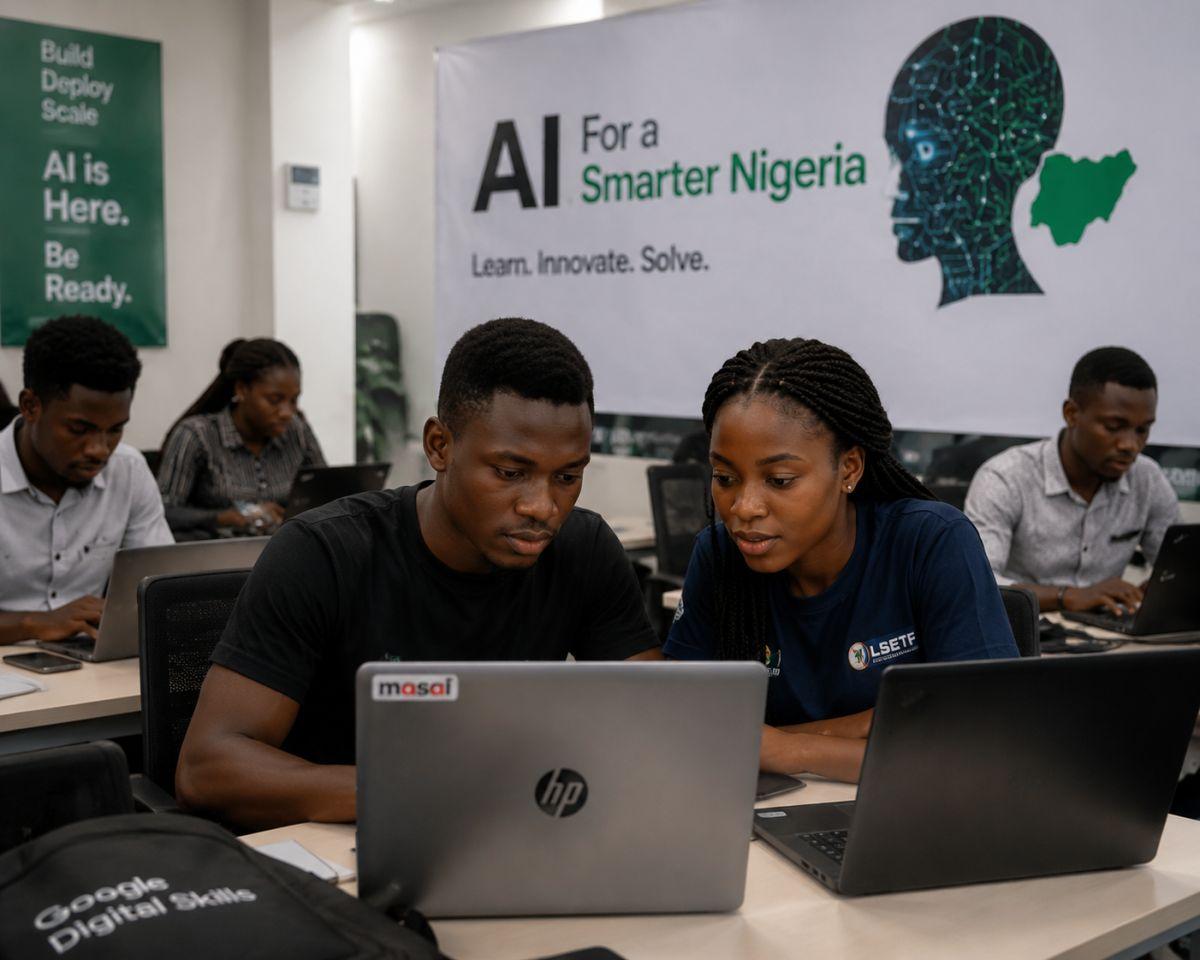
Nigerians japa abroad for opportunities. New AI tools are helping them navigate the complex, uncertain process of global migration.
Related Stories

Ghana Unveils Digital Platform to Verify Marital Status, Officials

NCC Calls for More Local Tech Investment to Bolster Nigeria's Digital Future

NCC Challenges Innovators to Break Digital Barriers for PWDs

WhatsApp Revolution: How Young Nigerians Are Mastering Coding on Chat App

Tech & Japa