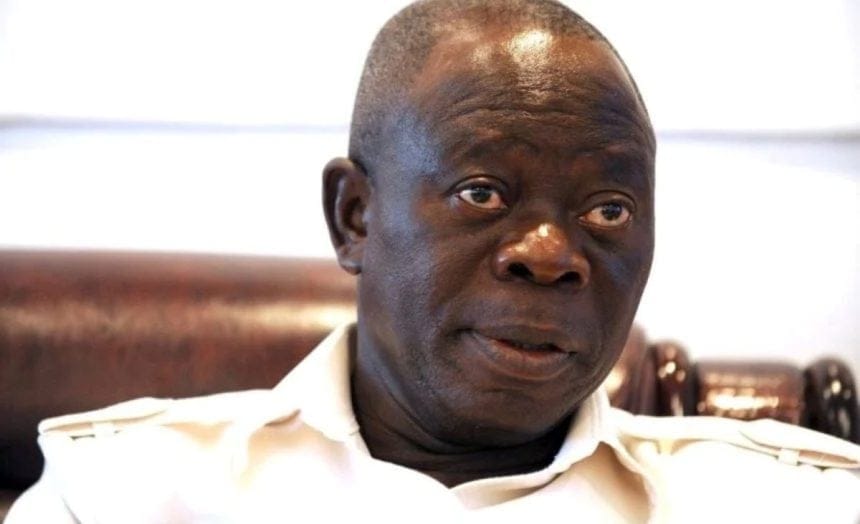
Falana Leads Protest in Lagos, Demands Action on Insecurity, Economic Hardship
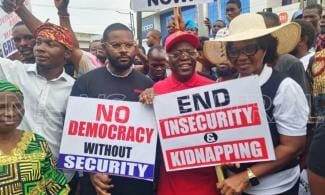
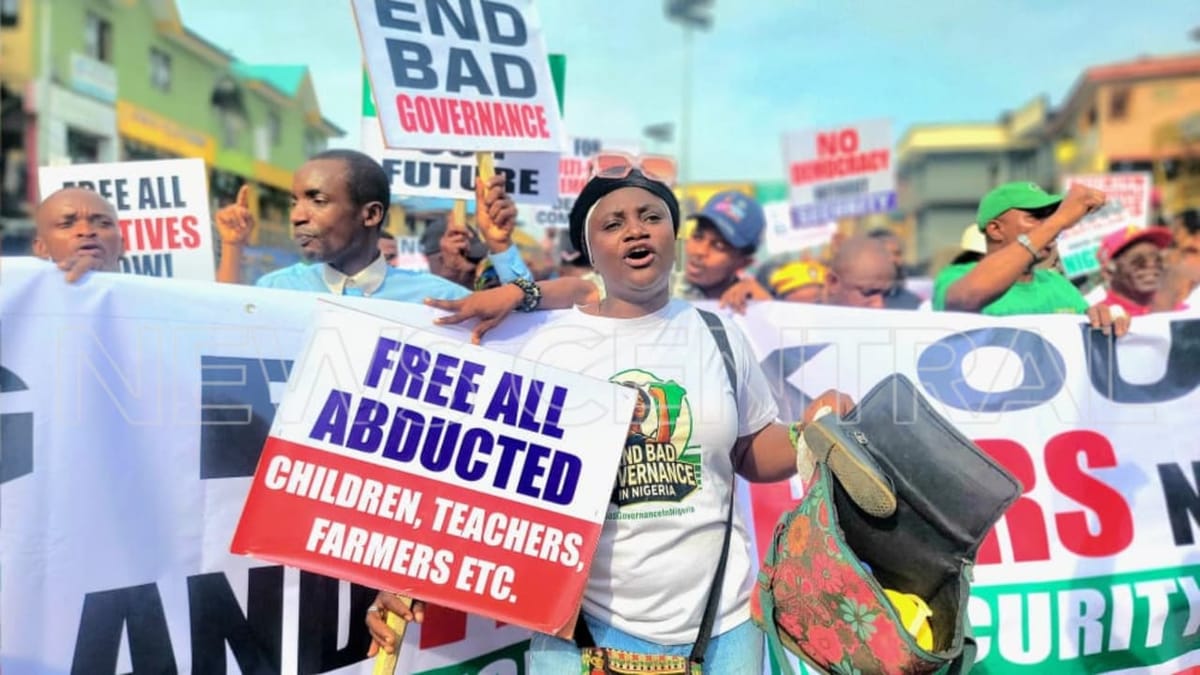
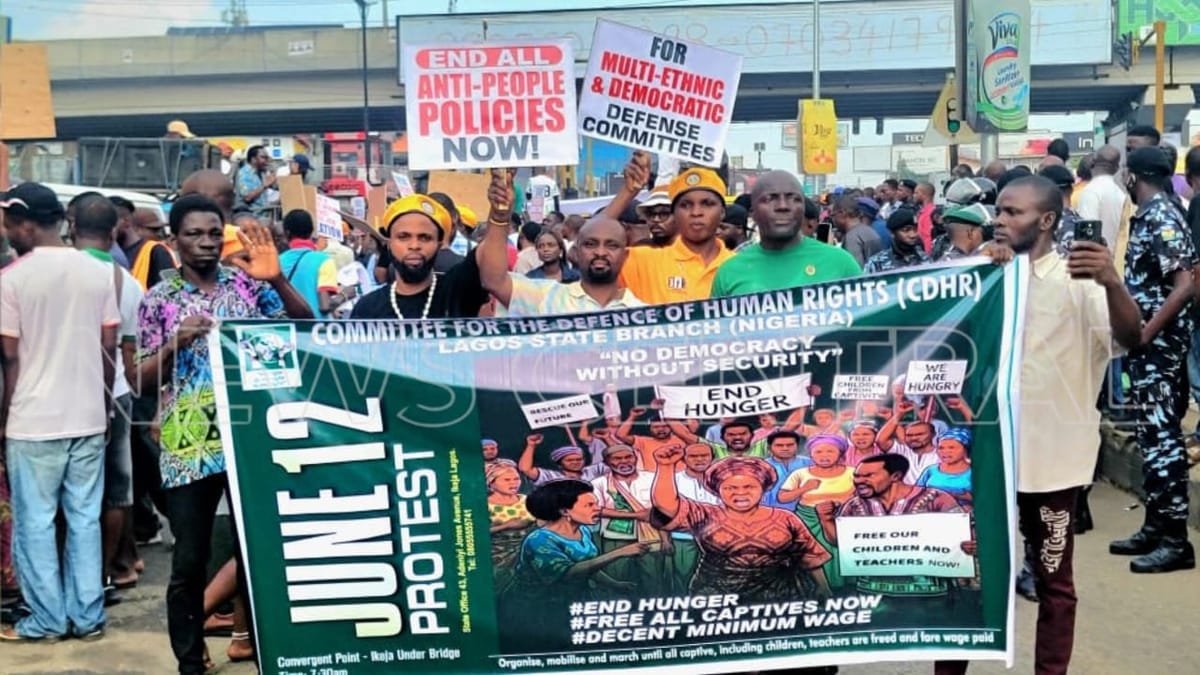
On the occasion of Nigeria's Democracy Day, a group of protesters, led by renowned human rights lawyer Femi Falana, took to the streets of Lagos to express their discontent with the current state of insecurity and economic hardship in the country. The protest, which was organized under the banner of the #EndBadGovernance movement, drew attention to the plight of ordinary Nigerians who have been affected by the rising cases of violent attacks, kidnappings, and deteriorating living conditions. The protesters, who gathered at the Ikeja Underbridge area of Lagos, carried placards with inscriptions such as 'No Democracy Without Security,' 'End Insecurity and Kidnapping,' and 'Free All Abducted Children, Teachers, Farmers.' Falana, who has been a longtime advocate for democratic governance and human rights, argued that democracy should translate into improved welfare and security for citizens. He joined the protesters in demanding greater accountability from elected leaders, citing the need for decisive measures to address the country's security challenges and economic crisis. The protest comes amid growing public frustration over the country's security challenges, including mass kidnappings, bandit attacks, insurgency, and violent crimes that have affected several parts of Nigeria in recent years. Citizens have also continued to grapple with soaring food prices, inflation, rising transportation costs, and declining purchasing power following a series of economic reforms introduced by the administration of President Bola Tinubu. The #EndBadGovernance movement, which gained national attention in 2024, has been mobilizing protests across several states against economic hardship, hunger, and governance failures. The June 12, 1993, presidential election, which was believed to have been won by the late Chief Moshood Kashimawo Olawale Abiola before it was annulled by the military regime of former Head of State Ibrahim Babangida, was also remembered during the protest. The annulment sparked widespread protests and a prolonged pro-democracy struggle that eventually contributed to Nigeria's return to civilian rule in 1999. However, activists, labour groups, and civil society organizations have argued that the democratic gains secured through the June 12 struggle remain incomplete, citing persistent insecurity, corruption, unemployment, poverty, and alleged human rights abuses.
Gallery
Comments
(0)0/500 · No URLs or profanity allowed
Democracy suppose bring better life for Nigerian people, but now insecurity and poverty don dey reign supreme. Make we see whether our leaders go take action or na just talk dem dey talk.
Source: Sahara Reporters
Related Stories

Nigerian Feminist Vows to Boycott Voting if Only Male Candidates Are Available
President Tinubu Honours 50 Pro-Democracy Heroes on June 12
South African Politician Slams Nigerians as 'Horrible' Amid Xenophobic Violence
Nigeria's Unity, Stability Hinge on Democracy, Say APC Leaders
Senate Overrules Kyari Arrest, Slams Oshiomhole's Remarks on NNPC