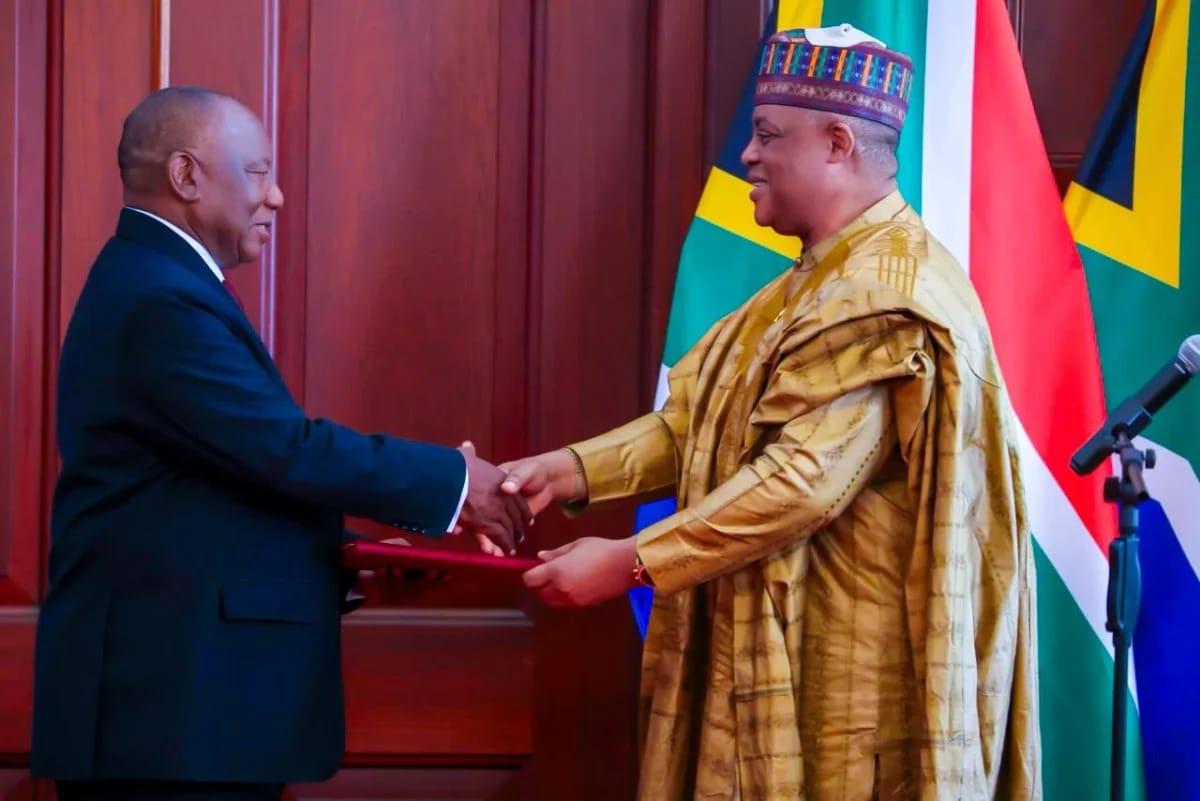
First Trilateral Summit Sees China, US, Russia Commit to Peace
Full Story
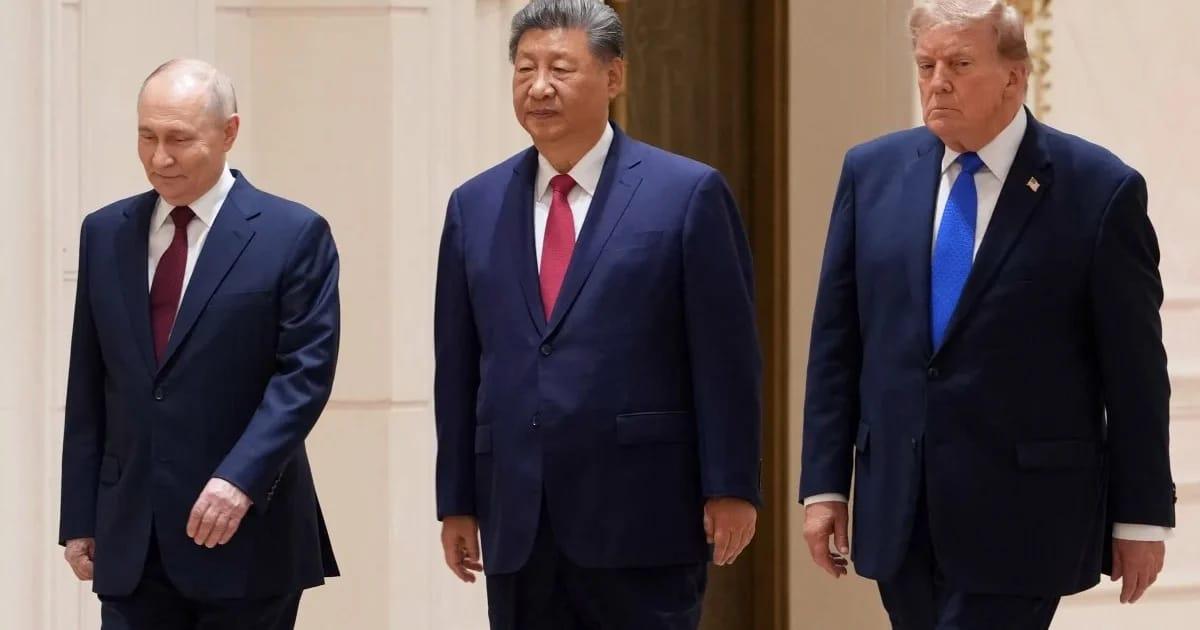
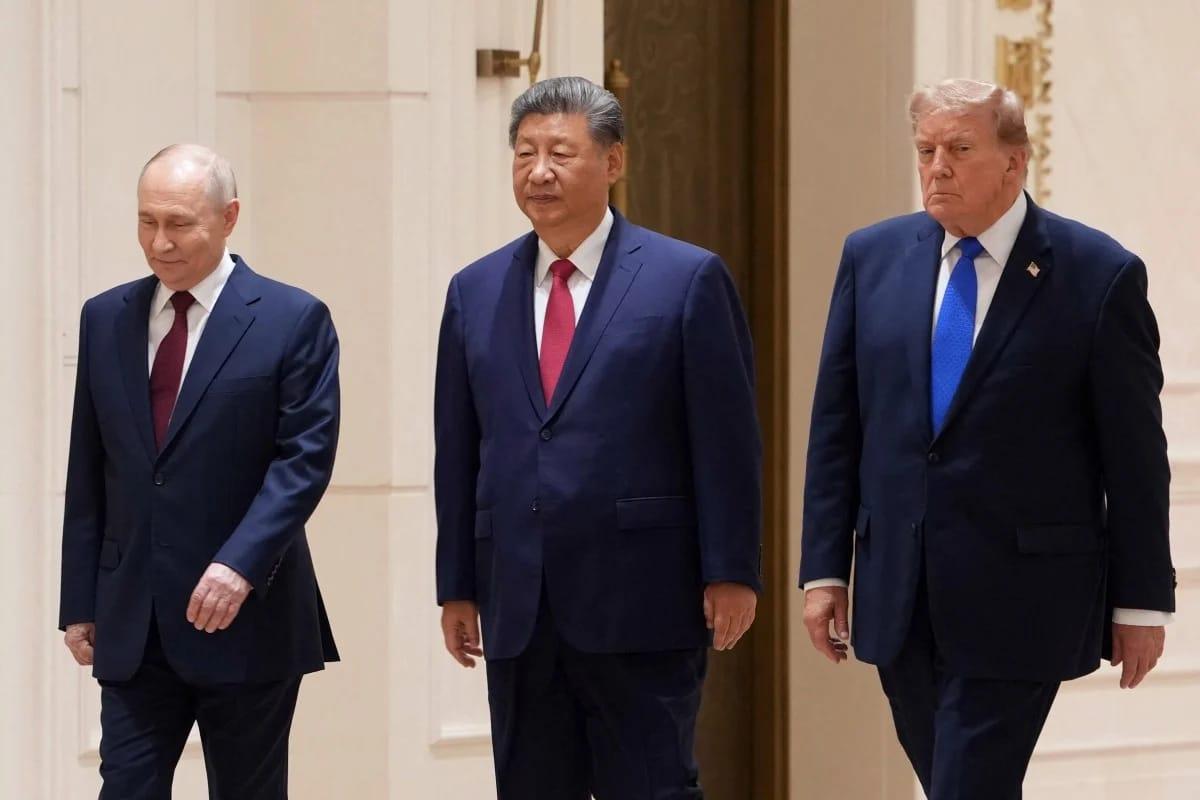
On Thursday, China, the United States, and Russia jointly released a "peace declaration" after their leaders convened for a historic summit. This significant meeting occurred nearly five years into the ongoing conflict in Ukraine and amidst former US President Donald Trump's involvement in Iran. The joint statement, released after the gathering of President Xi Jinping, former President Trump, and President Vladimir Putin in China, outlined their shared objectives: reforming the United Nations, safeguarding diplomatic immunity, and increasing the supply and production of refined petroleum products.
According to the official statement, "The three heads of state engaged in an in-depth exchange of views on the current international situation and committed themselves to upholding strategic stability and international security." This trilateral discussion unfolded against a backdrop of Russia's protracted military campaign in Ukraine, widespread instability in the Middle East following Trump's actions against Iran, and China's growing influence as it seeks to solidify its position in East Asia.
During the summit's commencement, President Putin remarked, "Our countries have many converging interests when it comes to resolving regional conflicts, including, of course, the conflict in Ukraine," emphasising their "shared responsibility for maintaining international peace and security." The three leaders delivered opening statements covering critical subjects, ranging from nuclear armaments to the Ukrainian war, as they gathered around a sizable, dark round table adorned with a pink floral centerpiece. The private talks, held at Kylin Villa in Shenzhen, concluded after one hour and twenty minutes. Former President Trump declared the trio was "making history," while President Putin asserted they had penned a fresh "page in the history of diplomacy." President Xi echoed these sentiments, stating, "The three countries share a common perspective on safeguarding world peace."
Key points of discussion included the International Criminal Court (ICC), the United Nations, and global oil supplies. The joint declaration specified that the leaders concurred, stating that "the International Criminal Court and other similar institutions must not abuse their jurisdiction." This comes as President Putin faces an ICC arrest warrant, and the Trump administration had previously pledged to dismantle the court "brick by brick." Furthermore, the leaders "acknowledged the vital importance of the principle of state consent and the respect for (diplomatic) immunity enjoyed by state officials," with each nation expressing its "commitment" to spearheading reforms within the United Nations. President Putin also indicated that the agenda would cover food and energy security, areas significantly disrupted by the conflicts in Iran and Ukraine. The joint statement further declared that the participating nations "plan to increase the production and supply of refined petroleum products," underscoring "the importance of the stable flow of energy."
Concerns emerged that this summit might signal an intent by these three powerful leaders to carve up the world into spheres of influence, potentially making critical decisions affecting Ukraine without direct input from Kyiv or European nations.
Earlier on Thursday, former President Trump and President Putin held their first bilateral meeting since August 2025. The 80-year-old US president referred to the Russian leader as his "friend," to which Putin replied in English, "Nice to meet you." Subsequently, Trump and President Xi engaged in one-on-one discussions, marking their third such encounter this year, with the US leader emphasizing their "very special relationship." President Putin, aged 74, and President Xi, 73, had also met on Wednesday, an occasion President Xi noted as their 50th meeting.
Prior to the trilateral gathering, which took place on the sidelines of the Asia-Pacific Economic Cooperation (APEC) summit—a forum comprising 21 Pacific Rim economies—Beijing, Washington, and Moscow had presented differing accounts of the meeting's agenda. Initially, Washington suggested that the Ukrainian conflict would not be discussed, only for Trump to later confirm its inclusion. President Xi, for his part, does not consider the conflict as China's responsibility to resolve. Critics cautioned that the visual implications of the summit would be detrimental to the US president while simultaneously boosting Presidents Xi and Putin. Lyle Morris of the Asia Society Policy Institute commented that the meeting "gives Putin a platform to legitimise his war of aggression over Ukraine with seemingly little repercussions." Senate Democratic leader Chuck Schumer sharply criticised the interaction, stating, "Xi Jinping and Vladimir Putin are playing Donald Trump like a cheap violin."
Washington had also identified the conflict in Iran and nuclear disarmament as key discussion points, particularly after a bilateral US-Russia treaty concerning atomic weapons lapsed in February. China has consistently held the position that both the United States and Russia should significantly reduce their extensive nuclear arsenals before it would consider engaging in discussions about its own smaller stockpile. The concluding statement from the summit affirmed that the "three nations will engage in dialogue on reducing nuclear risks and preventing nuclear proliferation."
The unprecedented nature of the summit was foreshadowed by equally unconventional scenes upon the leaders' arrival in the southern Chinese city for the discussions. In a departure from decades of established diplomatic protocol, President Xi personally welcomed former President Trump at the airport. The two leaders shared a brief embrace before a red-carpet reception featuring cheering children and an air force flyover. Despite their known disagreements, all the leaders, including President Putin, later posed for the APEC group photograph.
Gallery
Comments
(0)0/500 · No URLs or profanity allowed
Dis big summit wey China, US, and Russia do, dem talk say dem wan bring peace and stability. But some people dey fear say na just to share world power and make small countries dey suffer. Na to watch and see how this 'peace declaration' go play out for real life.
Source: Punch NG
Related Stories
Japan Rolls Out Stricter Language, Integration Criteria for Permanent Residency
Prince Harry Expresses Willingness to Rejoin British Army for Russia Battle
US Details Green Card Fee Exemptions for Specific Applicants
Abuja to Host UNESCO Media Literacy Hub for Combating Misinformation
Zelensky: US Floated Donbas Cession for Ukraine's NATO Entry