Iran's Maritime Moves Target Oil Shipping, US Elections
Full Story
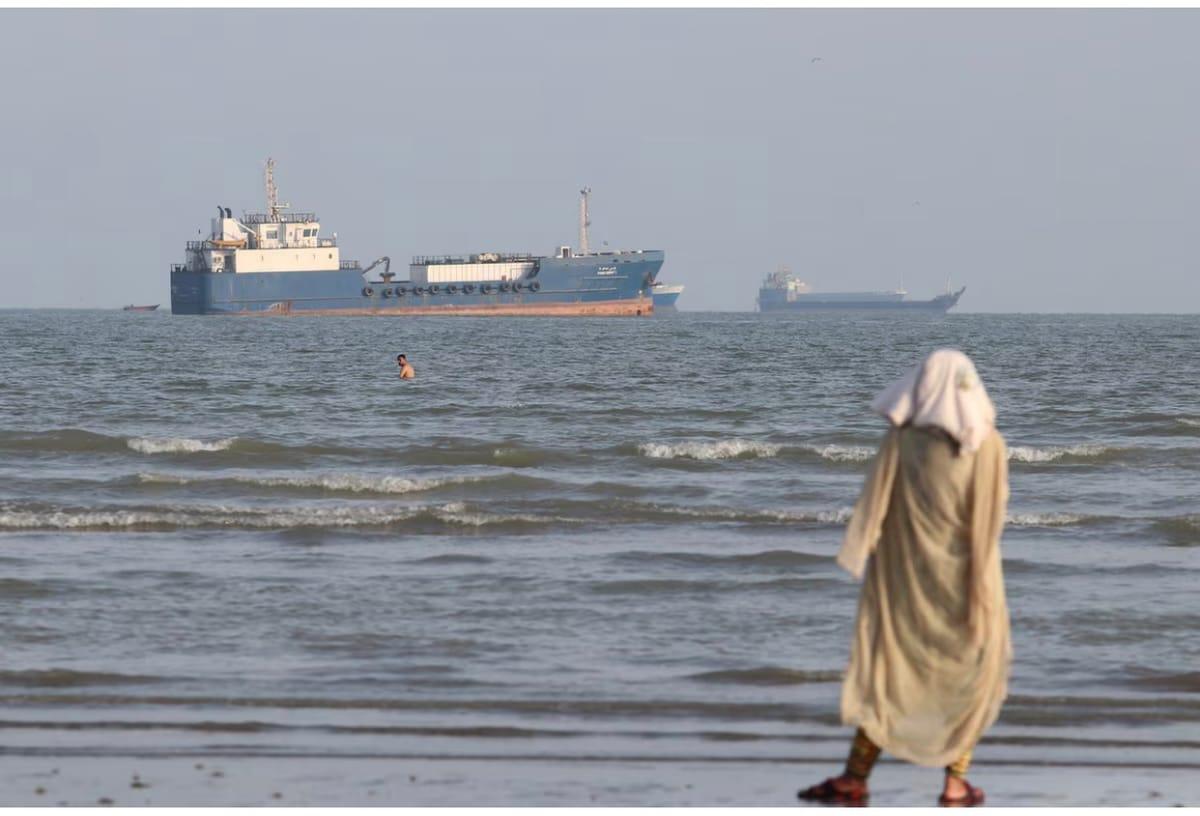
Reports indicate that Iran is employing fresh tactics to disrupt commercial shipping, particularly within and beyond the Strait of Hormuz. This strategic shift is reportedly aimed at sustaining elevated global oil prices and influencing the upcoming United States midterm elections.
Tehran's heightened activity in the critical trade corridor began after a series of US and Israeli strikes against Iranian infrastructure on February 28. The waterway, which previously handled approximately one-fifth of the world's oil and liquefied natural gas (LNG) trade, has since experienced significant traffic disruptions, increased insurance costs for vessels, and a general rise in energy prices.
According to two senior Iranian officials who spoke with Reuters, a revised operational strategy was adopted by the country about 10 days ago. While specifics of the new operations were not disclosed, the officials revealed that the changes involve alterations in both the frequency and nature of attacks against vessels deemed to be in violation of Iran's maritime restrictions.
One official explicitly stated, "The aim is to frustrate efforts by the United States and its allies to bring down global oil prices," confirming that this strategy was formulated at the highest echelons of Iran's leadership. A second official described the situation as a strategic 'chess match,' emphasizing Tehran's intent to prevent US leadership from stabilizing or lowering oil prices ahead of the November ballot. This official issued a stark warning: "Such vessels would be safe nowhere, even outside the Strait of Hormuz."
Iranian sources further suggested that these operations are moving towards a near-complete closure of the waterway for any unauthorized vessels. Reuters also reported that an anonymous US military official corroborated that Iranian forces have indeed altered their tactical patterns, especially following extensive damage to their coastal radar infrastructure. The Islamic Revolutionary Guard Corps (IRGC) has increasingly deployed unarmed spotters aboard small boats, including a dhow recently intercepted by US forces, to relay target coordinates to their strike units.
Despite these measures, the US military noted that the significant damage to the Iranian navy has limited Tehran's overall capacity to halt a steady increase in oil exports transiting the strait. Independent maritime security data, alongside incident reports submitted to the United Kingdom Maritime Trade Operations (UKMTO), shows a noticeable surge in attacks in recent days. Incidents involving drone strikes and targeted harassment against tankers operating near Hormuz have escalated to levels last seen in early October.
Security analysts monitoring the region report that these operations are now expanding beyond the immediate Strait of Hormuz corridor, reaching into the Gulf of Oman and adjacent waters off the coasts of the United Arab Emirates and Qatar. The ongoing naval standoff continues to keep global energy markets vulnerable, as maritime authorities maintain a severe threat rating for commercial shipping operating throughout the Persian Gulf.
Comments
(0)0/500 · No URLs or profanity allowed
Iran don come with another style to shake global oil market and try influence America election. Na serious matter for international waters, we just hope say e no go escalate pass like dis.
Source: Linda Ikeji's Blog
Related Stories
Global Allies Denounce Iran's Role in UK Airbase Scare

Zelensky Rebuffs Trump on Leadership Call, Sets Ceasefire Condition for Elections

UK Migrants Use Asa's 'Jailer' to Challenge 15-Year Settlement Rule
Ghana's Foreign Minister Announces Cabinet Approval for BRICS Application
Five EU Nations Plan Initial Deportation Center on African Soil