Moscow's Nuclear Deterrent: Kaliningrad Becomes Flashpoint with NATO
Full Story
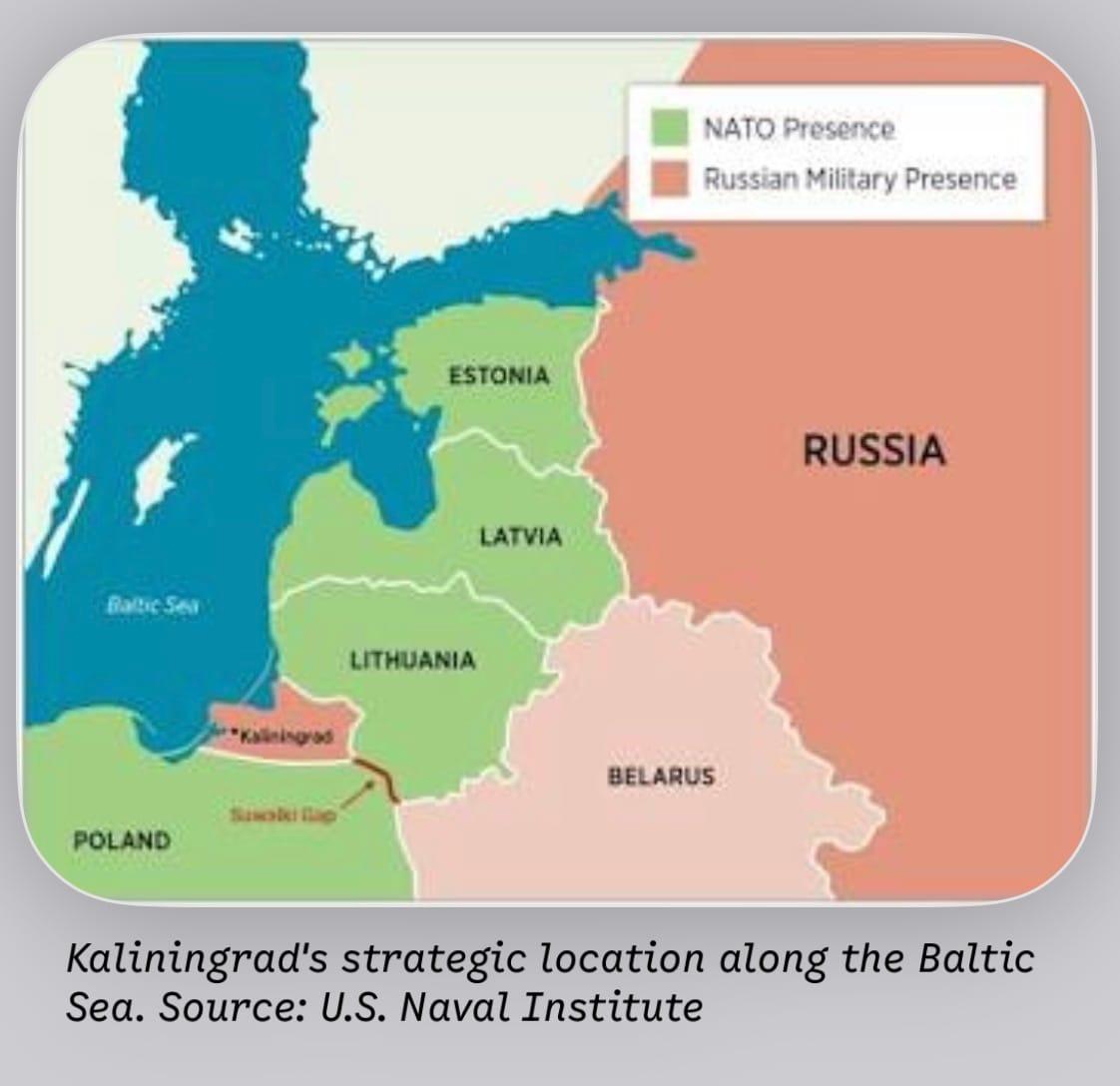
Russia has issued a stark warning to the North Atlantic Treaty Organization (NATO), indicating its readiness to deploy nuclear weapons should the Western alliance attempt to sever or isolate Kaliningrad. This heavily fortified Russian exclave, strategically situated between Poland and Lithuania, is at the heart of escalating tensions.
In a formal diplomatic note sent to NATO, Moscow characterized the alliance's actions as a "dangerous and reckless course," which carries "high risks of the outbreak of a direct armed conflict." The communication further cautioned that any escalation could result in "Russian strikes against decision-making centers in the alliance's member states right from the outset."
The warning explicitly stated, "Russia will be ready to use the entire arsenal of forces and capabilities at its disposal, including nuclear weapons, in order to defend its territory should NATO countries undertake any attempt aimed at isolating the Kaliningrad Region from the rest of the country." Kaliningrad, a territory slightly larger than Connecticut, serves as a crucial Russian military base on the Baltic Sea, underscoring its strategic significance.
Maria Zakharova, spokeswoman for the Russian Foreign Ministry, reinforced this stance online, condemning what she termed "Russophobia" and a willingness for conflict from Western officials. She asserted, "If Europe attacks Russia, it will be a completely different sort of war – a very short war," urging European leaders to heed Moscow's warnings. Kremlin spokesman Dmitry Peskov described the diplomatic messages disseminated to European embassies as essential reminders for "hotheads in Europe."
However, NATO Secretary General Mark Rutte has firmly dismissed these threats. Speaking at a defense conference hosted by Euronews in Brussels, Rutte reaffirmed the alliance's defensive nature, stating, "We are a defensive alliance. And stop the nuclear threats. This is absolutely not called for and not helpful." He emphasized that NATO's activities pose no threat to Russia's territorial integrity. When questioned about the immediate possibility of nuclear deployment in the Baltic, Rutte was dismissive, remarking, "No, it's not. Putin knows that he can never win against NATO, so I don't take this that seriously."
Security analysts are expressing concern that the current climate risks dangerous mutual miscalculations. Nikolai Sokov, a Vienna-based nuclear expert and former Russian diplomat, suggested that increased Western support for Ukraine could push both sides beyond diplomatic limits. Sokov noted, "They expect more action, including a blockade of the Baltic Sea—just below the level of war in European calculation, but for them this will be open war. I see a risk of mutual miscalculation."
While Western governments continue to accuse Moscow of orchestrating a broader "hybrid war" across Europe through sabotage and cyber interference—allegations the Kremlin vehemently denies—senior defense officials consider this latest nuclear posturing an unprecedented escalation not witnessed since the Cold War era.
Comments
(0)0/500 · No URLs or profanity allowed
Na serious gbege Russia don carry come o, dem dey warn NATO say dem fit use nuclear weapon if dem touch Kaliningrad. This one na heavy matter for international relations, make una just dey pray make things no escalate pass dis level.
Source: Linda Ikeji's Blog
Related Stories
Strategic Hormuz Strait: Three Tankers Reportedly Hit by Projectiles
Brussels Insists Ukraine Must Reform to Unlock Billions in Aid
Nigeria's VP Shettima Returns After UN General Assembly Duty
Iraq Announces Full US Military Pullout Ahead of Schedule
UN Assembly: Delegates Exit En Masse as Netanyahu Targets Mamdani