Nigeria's Insecurity Crisis Deepens as Demand for State Police Gains Momentum
Nigeria's Insecurity Crisis Deepens as Demand for State Police Gains Momentum
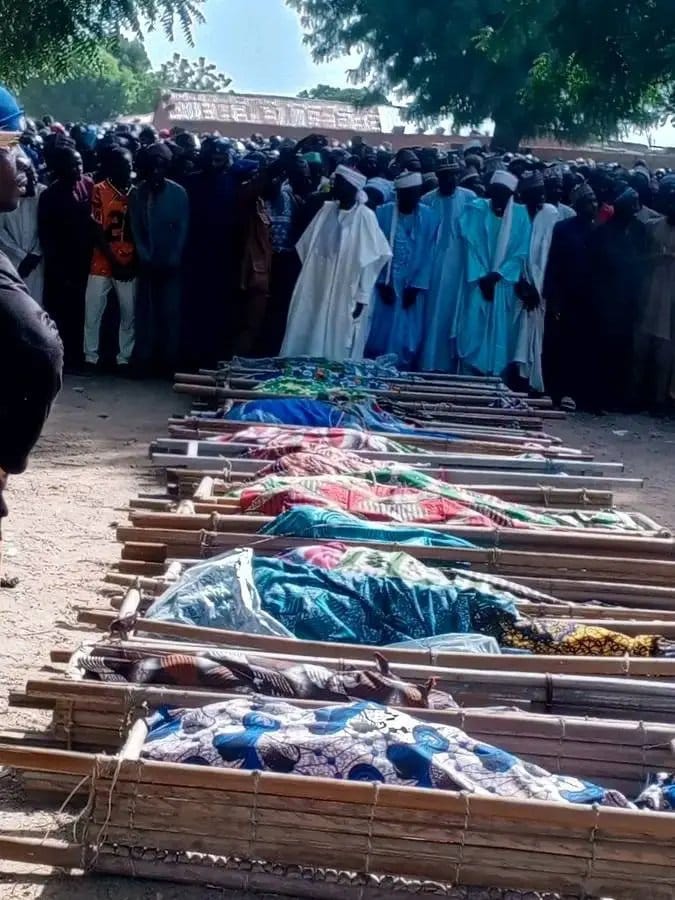
Nigeria's worsening security situation has once again taken center stage as communities across the country continue to grapple with kidnappings, bandit attacks, terrorism, and violent crimes. Recent incidents in Zamfara, Katsina, Borno, and other parts of the country have reignited calls for urgent reforms to the nation's security architecture.
The debate has become even more significant following the advancement of a constitutional amendment by the National Assembly that would allow individual states to establish and operate their own police forces alongside the federal police. Supporters of the proposal argue that local policing is necessary to address the unique security challenges facing different regions of the country.
For years, Nigerians have expressed frustration over the inability of security agencies to effectively combat the growing wave of violence. In many rural communities, residents live under constant fear of attacks from armed groups. Farmers are often unable to access their farmlands, businesses are disrupted, and entire communities have been displaced by insecurity.
The situation in Zamfara State recently highlighted the severity of the crisis. Reports revealed that dozens of villagers were abducted during what was supposed to be a peace meeting with armed bandits. In another attack, at least 17 farmers were reportedly killed while working on their farms. These incidents have raised questions about the effectiveness of existing security strategies and the need for alternative approaches.
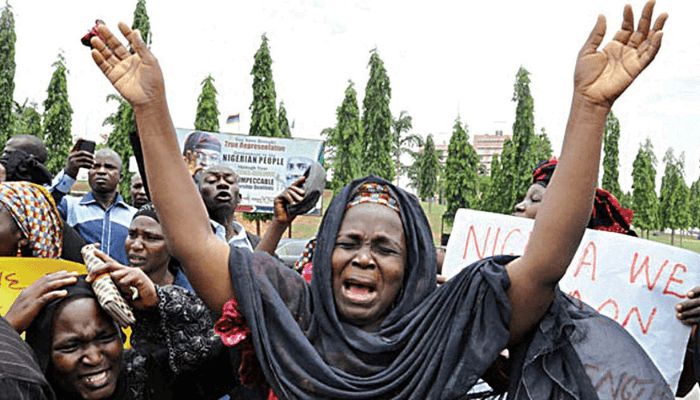
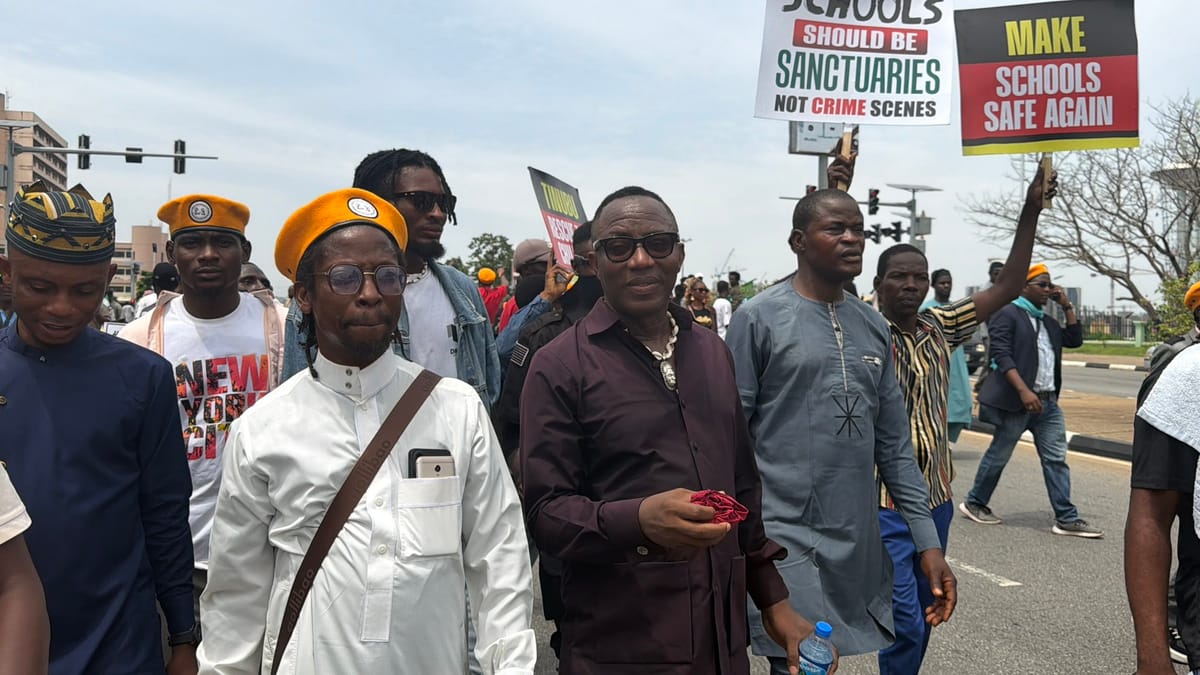
Meanwhile, civil society groups and activists have continued to organize protests across the country, citing insecurity, economic hardship, inflation, and declining living standards. Demonstrators argue that many Nigerians are struggling to survive while insecurity continues to claim lives and destroy livelihoods.
Advocates of state police believe that decentralizing security operations would improve intelligence gathering, response times, and community trust. They argue that officers recruited from local communities are more familiar with the terrain, culture, and security threats within their jurisdictions.
However, critics warn that state police could be abused by politicians to intimidate opponents or influence elections. Others fear that financially weaker states may struggle to fund and maintain effective police institutions. Despite these concerns, the growing insecurity across the country has intensified pressure on policymakers to consider bold reforms.
As Nigeria continues to confront one of its most challenging security periods in recent history, many citizens are demanding action rather than promises. Whether through state police, improved intelligence, better equipment for security agencies, or stronger community engagement, Nigerians increasingly agree on one thing: the country can no longer afford to treat insecurity as a normal part of daily life.
The coming months may determine whether proposed reforms translate into meaningful improvements or become another chapter in Nigeria's long struggle against insecurity.
Comments
(0)0/500 · No URLs or profanity allowed
Nigeria's Insecurity Crisis Deepens as Demand for State Police Gains Momentum Nigeria's worsening security situation has once again taken center stage as communities across the country continue to grapple with kidnappings, bandit attacks, terrorism, and violent crimes. Recent incidents in Zamfara, Katsina, Borno, and other parts of the country have reignited calls for urgent reforms to the nation's security architecture. The debate has become even more significant following the advancement of a constitutional amendment by the National Assembly that would allow individual states to establish and operate their own police forces alongside the federal police. Supporters of the proposal argue that local policing is necessary to address the unique security challenges facing different regions of the country.
Related Stories

PHOTOS: Bauchi Gov Visits Makinde
Diri urges peace, cultural revival at Bayelsa community yam festival
Defence minister blames Israel-Iran, Russia-Ukraine wars for arms shortage

Ogun monarch calls for state police, stronger local security structures
Video Shows Alleged Police Attack on Protester During Demonstration