Ekiti Boosts Surveillance, Public Education Against Ebola and Diphtheria

Full Story
Authorities in Ekiti State have announced heightened efforts in disease monitoring and quick response strategies across all sixteen Local Government Areas. This move aims to preempt potential outbreaks of illnesses such as Ebola Virus Disease and Diphtheria. Dr. Oyebanji Filani, the Commissioner for Health and Human Services, confirmed that “surveillance and response systems in the state have been strengthened to ensure early detection, prompt reporting and effective containment of any suspected case.”
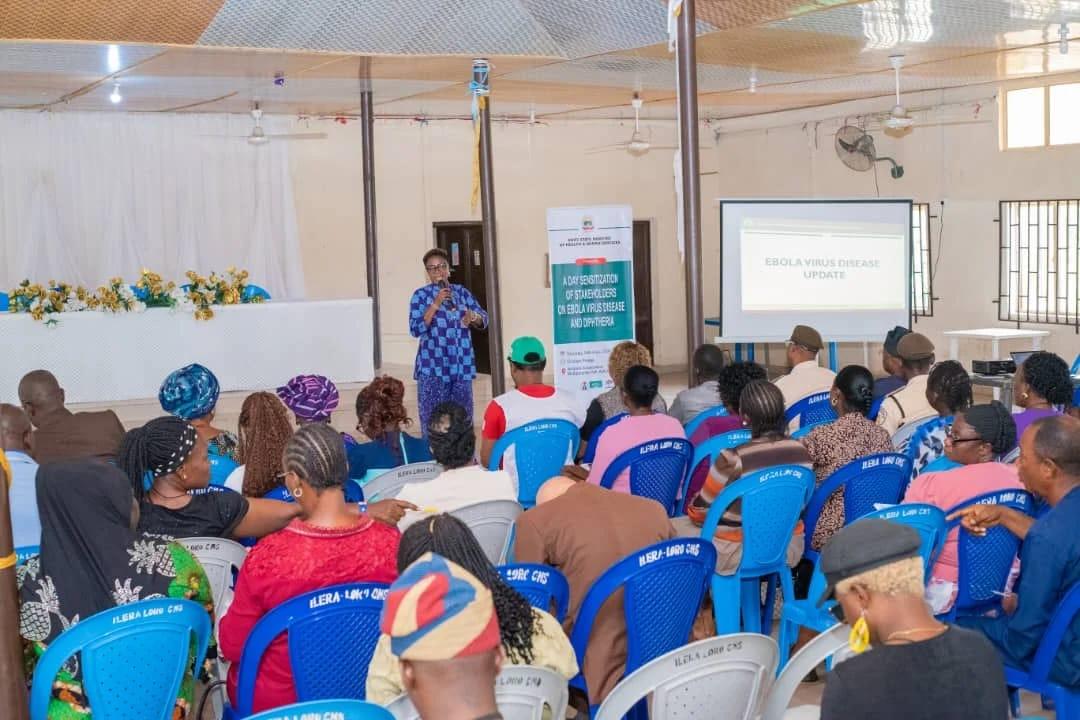
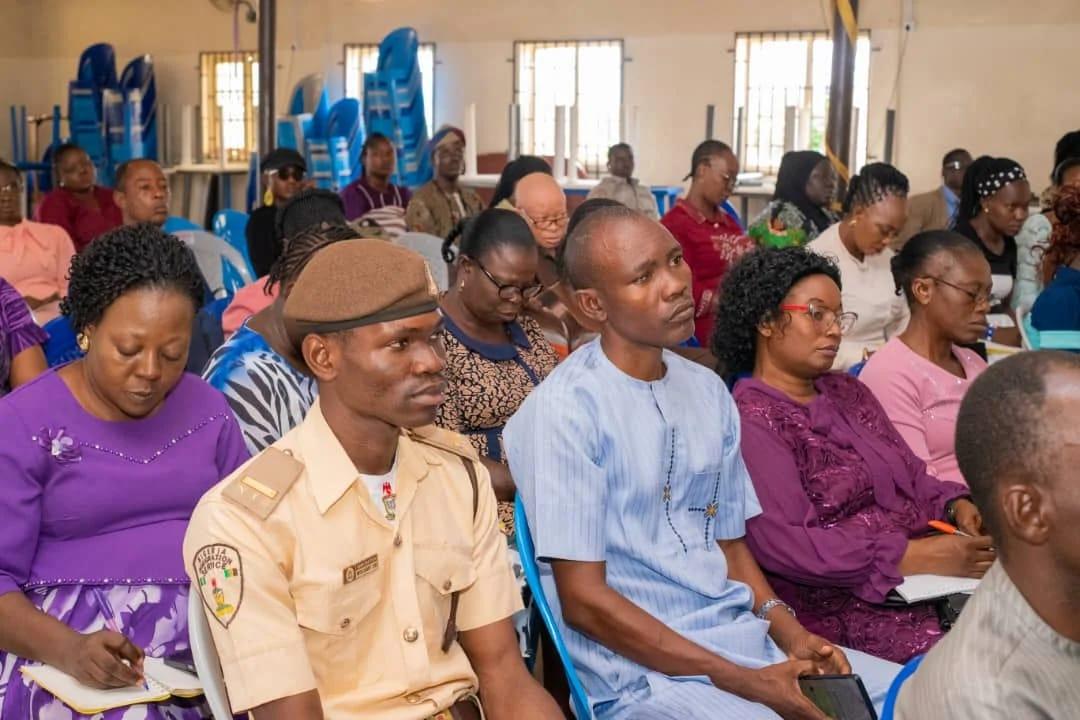
Speaking on behalf of Commissioner Filani, Mrs. Olusola Gbenga-Igotun, the Permanent Secretary of the ministry, addressed participants at a one-day sensitisation workshop held in Ado Ekiti, the state capital, on Saturday. The programme focused on Ebola and Diphtheria, drawing a diverse group of stakeholders including community and religious leaders, market heads, transport union representatives, artisans, and media personnel. The Commissioner reiterated the government's resolve to implement proactive measures for disease prevention and control within the state. He also commended Governor Biodun Oyebanji for his “commitment to improving healthcare delivery and the wellbeing of residents.”
Dr. Bosede Alowooye, Ekiti State's Epidemiologist, highlighted the World Health Organisation's declaration of Ebola as a Public Health Emergency of International Concern. She stressed that “All countries need to be on alert. When we are in a state of alert, we need to carry out some activities; this sensitisation is part of it.” Alowooye explained that the purpose of the sensitisation initiative was to reinforce strategies for prevention, facilitate early detection, and encourage swift reporting of any suspected cases. She added, “We are sensitising different stakeholders, telling them about the current update on Ebola and diphtheria, and also the preventive measures to take in the state.”
Furthermore, the epidemiologist confirmed that the state's public health emergency operation centre is now active. Its initial activities have included educating health professionals, strengthening the disease surveillance framework, and training community informants on identifying symptoms and reporting potential cases. Dr. Alowooye detailed further preparatory steps, stating, “We have also trained the Ekiti airport staff on how to detect passengers who might be coming down with sudden fever. We have given them thermometers and sanitisers, and other IEC materials and educational materials.” She continued, “We have trained our case management team – the doctors and nurses – who will take care of any Ebola disease patient in the state. We have trained our nurses on detection, prevention and control, and we also bought personal protective equipment like hand gloves, gowns, sanitisers, and other sample collection materials.” Concluding, she affirmed, “So, Ekiti is perfectly prepared for not only Ebola, but diphtheria, Lassa fever, or any other disease.”
The epidemiologist outlined common Ebola symptoms, which include muscle pain, headache, stomach ache, vomiting, sudden high fever, difficulty breathing, and skin rash. She urged residents to practice diligent hand hygiene, maintain general personal cleanliness, and report any suspected cases to health authorities without delay. Alowooye further advised individuals who have recently traveled to countries experiencing outbreaks, such as Uganda, the Democratic Republic of Congo, and Rwanda, to immediately notify health authorities and seek medical care if required.
Dr. Charles Doherty, General Manager of the Ekiti State Health Insurance Scheme and Pillar Lead for Ebola Risk Communication, explained the government's public awareness drive. He stated it was “to inform them about the causes and most especially the prevention because prevention is better than cure. We are also enlightening our people on the various misconceptions.” Doherty appealed to residents to adopt essential precautionary measures, advising, “Any fever treated for two or three days, and there’s no result, should be reported. We also advise our people to always identify and inform the relevant government agencies as soon as possible when they discover any new thing among them.” He added a caution regarding travel: “Also, they have to be very careful about travellers, especially international travellers who have one thing or the other to do with Uganda or the Democratic Republic of Congo. And they should always cooperate with health workers whenever they are called or whenever they seek information from them,” Doherty concluded.
Addressing Diphtheria specifically, Mr. Atah Adegboyega, Secretary of the Nigerian Red Cross Society, Ekiti State Chapter, characterized it as a lethal yet preventable illness. He emphasized that consistent child immunization and adherence to other advised vaccinations are crucial steps in preventing the disease.
Gallery

Comments
(0)0/500 · No URLs or profanity allowed
Ekiti government don wake up to fight Ebola and Diphtheria o. Dem say dem don prepare well-well, train pipu, and tell residents wetin to do. Make we hope say dis preparation go really save lives and no be just talk.
Source: Punch NG
Related Stories
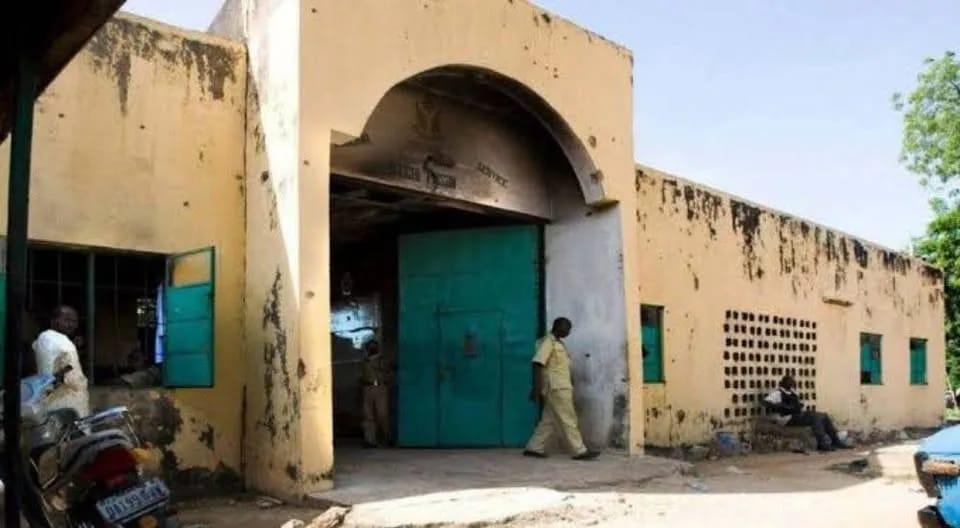
Kano's Kurmawa Prison: Cholera Outbreak Claims Two Inmate Lives
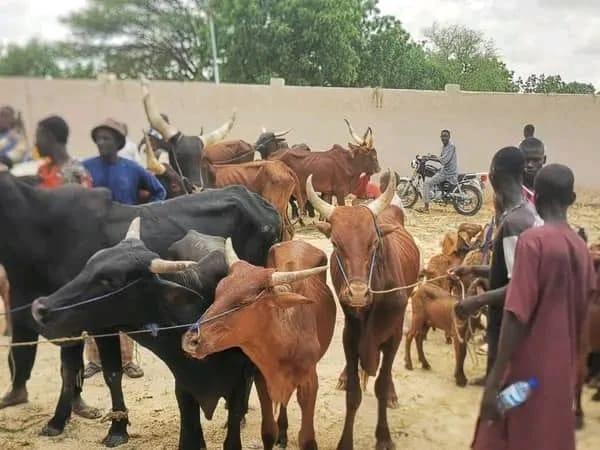
Over 3,000 Livestock in Kaugama LGA Receive Lung Disease Vaccine

Details emerge: Ogun Hospital Achieves Robotic Surgery First with Pastor Idachama
Details emerge: Full List: 37 Suspected Miners Die in Niger NSCDC Custody

Cindy Crawford's Son, Presley Gerber, Passes Away at Age 27