DR Congo's Ebola Outbreak Claims Over 2,000 Lives Amidst Rising Cases
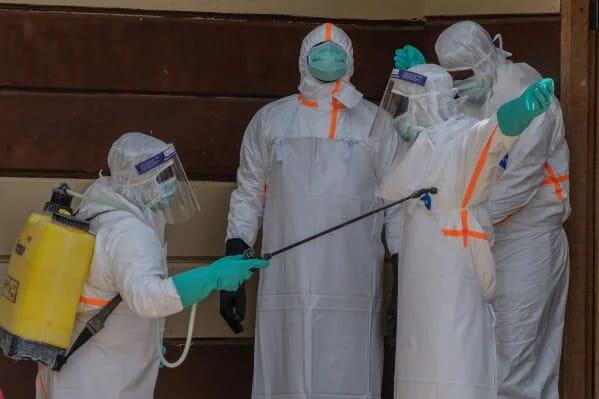
The Democratic Republic of Congo is currently grappling with an Ebola outbreak that has tragically claimed over 2,000 lives, marking it as one of the nation's most severe epidemics. Officially declared on May 15, this latest surge of the highly contagious disease is believed to have been active for several weeks prior, primarily affecting the volatile eastern and northeastern parts of the DRC, regions already plagued by conflict.
This marks the DRC's 17th confrontation with the infectious disease, and experts already deem it the country's most extensive outbreak to date. Sania Nishtar, the chief executive of the Gavi global vaccine alliance, noted that it "could well become the largest outbreak ever." Data provided by Congolese health officials on Tuesday confirms 2,011 fatalities from 4,381 confirmed cases of the virus in this current wave.
The current death toll is now rapidly approaching the figures from the DRC's deadliest Ebola crisis, which occurred between 2018 and 2020, resulting in approximately 2,300 deaths from 3,500 reported cases. This recent spread originated in Ituri province, located in the northeast, and has since extended to other areas, particularly North Kivu. These regions are notably deficient in robust health infrastructure and government presence. Congolese health authorities project the case fatality rate for this outbreak at 45.9 percent.
"We haven’t reached the peak yet," stated Health Minister Samuel Roger Kamba in an interview shared by his ministry on X on Tuesday. He expressed optimism, adding, "Within the next three months, we expect to have already brought the spread under control and to start seeing it decline." However, the response efforts have been significantly hindered by persistent insecurity from armed groups and a pervasive distrust among the local populace in the affected areas.
Mohamed Yakub Janabi, the World Health Organization’s regional director for Africa, highlighted the unique challenges, telling journalists in Bunia, Ituri’s provincial capital, on Monday: "We are only seeing 30 percent (of infected people), where 70 percent of people are dying at home. This is why this Ebola is different."
Jean-Jacques Muyembe, a Congolese virologist instrumental in the discovery of Ebola in 1976, criticized the handling of the crisis in an interview with Le Monde newspaper on Tuesday, labeling the response as "slow and ineffective." He elaborated, "There is an internal problem at the level of the national coordination of the response," and observed that "Everyone wanted to show they were doing something, even though nothing had actually been organised."
In a development regarding clinical trials, WHO vaccine specialists on Friday proposed comprehensive human trials for the sole approved Ebola vaccine. The aim is to ascertain if it can provide cross-protection against the specific Ebola strain currently circulating in the DRC, for which no dedicated vaccine is yet available. The Ervebo vaccine has demonstrated safety and effectiveness against the more prevalent Zaire strain. WHO experts indicated that preliminary data, particularly from animal studies, suggests it might also offer some degree of protection against the uncommon Bundibugyo strain prevalent in the DRC.
The Gavi global vaccine alliance, established in 2000 to facilitate access to affordable vaccines for developing nations, possesses a reserve of 500,000 Ervebo doses. The alliance confirmed that portions of this stockpile would be allocated for the trials, with some doses already dispatched to the DRC. Furthermore, two prospective Bundibugyo vaccines are currently undergoing initial human clinical trials, and efforts are underway to advance a third candidate to the same stage. Ebola, a disease transmitted through contact with bodily fluids, induces a haemorrhagic fever and has accounted for over 15,000 deaths across Africa in the past half-century.
Comments
(0)0/500 · No URLs or profanity allowed
Dis Ebola wahala for DR Congo don pass 2,000 deaths, and e dey show say we need to sit up for public health matters for Africa. Na big challenge, especially with insecurity wey dey make am hard to reach people for affected areas.
Source: Punch NG
Related Stories

Ruger Claps Back at Netizen Who Said His Demise Would Boost Her Mental Wellbeing
Nigerian Father Laments Sickle Cell Ordeal, Cites Religious Misjudgement

Agboju dumpsite yields shocking discovery of nursing mothers, babies by KAI operatives

Daddy Freeze Defends Peller's Mum Over Wedding Gift to Her Lover
Late Nollywood Star Temitope Osoba's Family Shares Chilling Details of Her Final Hours