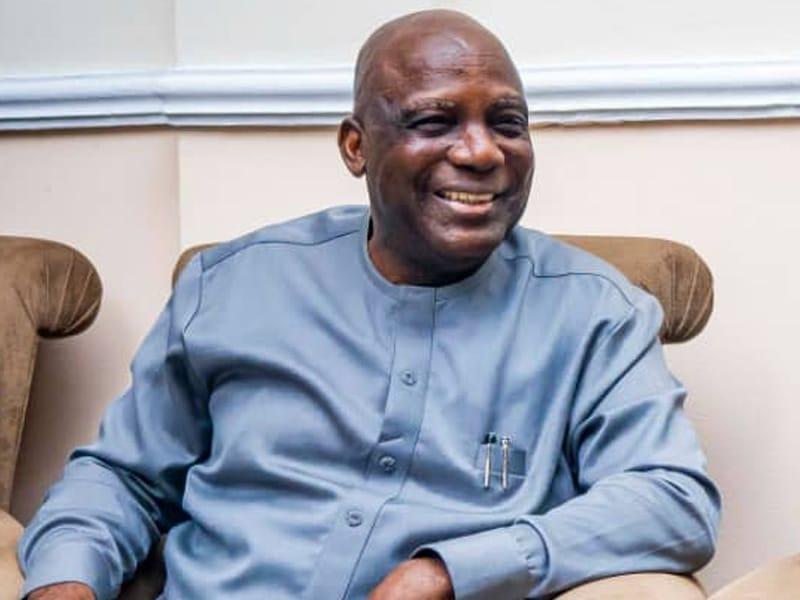
Nigeria Aims for 3.7GW Solar Production Capacity by 2027
The Rural Electrification Agency, led by Managing Director Dr. Abba Aliyu, has reaffirmed its commitment to achieving universal electricity access in Nigeria by 2060. This goal is part of a broader strategy to deepen energy access and drive industrialization through the development of local renewable energy manufacturing capacity. Dr. Aliyu disclosed that the agency is working towards establishing a 3.7-gigawatt solar manufacturing capacity by the end of 2027. He made this announcement while presenting the agency's electrification strategy to a visiting delegation from the Zanzibar Utilities Regulatory Authority in Abuja. According to Dr. Aliyu, agreements signed during the 2025 Nigeria Renewable Energy Innovation Forum will unlock a combined manufacturing capacity of 3.7 gigawatts across six states in partnership with seven companies. The projects include photovoltaic manufacturing facilities in Kano, Abuja, Ogun, Bayelsa, and Akwa Ibom states, as well as a recycling plant in Lagos. Dr. Aliyu stated, 'We are about to inject 3.7 gigawatts of manufacturing capacity in Nigeria. Already, many of Nigeria's PV panels produced in Lagos have been exported to Ghana.' He emphasized the need to reduce the importation of PV panels from China, encouraging Chinese companies to establish factories in Nigeria. The cost of renewable energy technologies has been declining, largely due to advances in Chinese manufacturing, making renewable energy the most economically viable option for expanding electricity access. Dr. Aliyu noted that global electricity demand is entering an unprecedented phase driven by population growth, widespread electrification, and the rapid expansion of artificial intelligence and data centers. The REA has developed a comprehensive geospatial database, mapping over 700,000 communities, 51,000 hospitals, 11,000 markets, thousands of schools, factories, dams, and electricity feeders to guide least-cost electrification planning. Dr. Aliyu also disclosed that Nigeria now has several Renewable Energy Service Companies, many of which have evolved from contractors into utility-scale operators and are expanding into other African countries following reforms to the country's mini-grid regulations. Despite the country's electrification rate standing at about 61%, approximately 85 million Nigerians still lack access to electricity. The REA is working to address this energy deficit, with a public finance and grants portfolio of about $1.23 billion sourced from federal budget appropriations, regulatory funding, development finance institutions, bilateral partners, and intervention funds. World Bank Consultant to the Zanzibar Electricity Corporation, Dr. William Gboney, described Nigeria as one of Africa's leading countries in off-grid and mini-grid regulation, highlighting the need for African countries to learn from each other in developing sustainable electricity access solutions.
Comments
(0)0/500 · No URLs or profanity allowed
Naija don dey try increase im solar energy production, make dem reach 3.7GW by 2027. Dis one go help reduce importation of solar panels from China, and maybe, just maybe, Nigerians go begin see light for dia homes.
Source: Arise TV
Related Stories

Sheggz Shares New Perspective on Love as He Turns 30

Global Oil Market Faces Uncertainty As Houthi Rebels Launch Attacks On Saudi Tankers

Fuel Import Licences Sparks Outrage Among Marketers, IPMAN Warns Of Economic Consequences
NERC Backs Minister's Call for Collaboration in Electricity Sector
Naira Under Pressure As Petrol Imports Skyrocket By 207%