Economy15 May 20262:17
The Hidden Cost of Living in Lagos Nobody Talks About
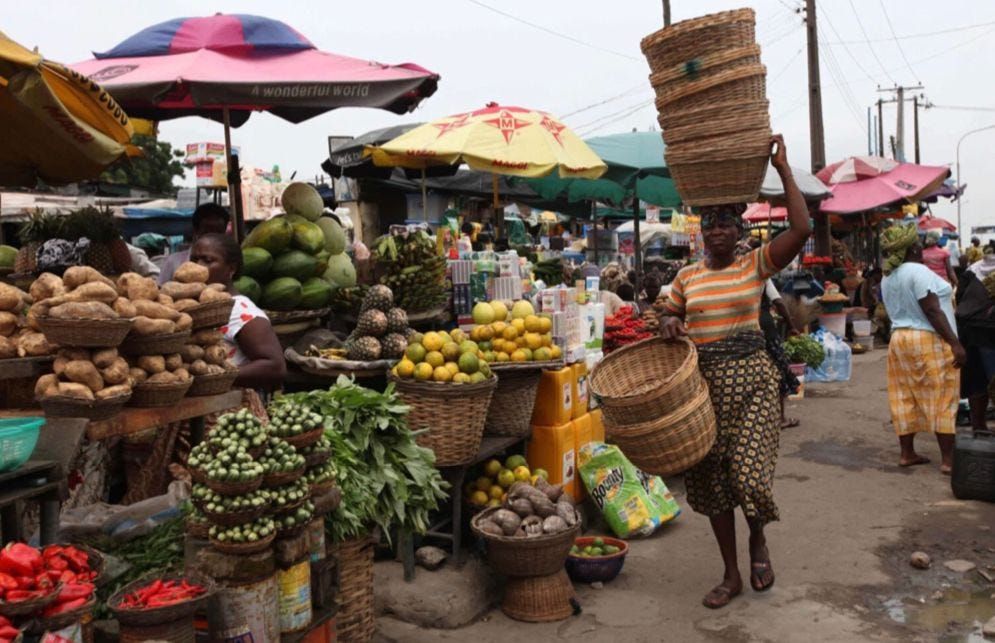
Lagos is often described as the city of hustle, opportunities, and endless movement. Every day, thousands of people arrive in Nigeria’s commercial capital hoping to build better careers, businesses, and lifestyles. On social media, Lagos looks exciting — luxury restaurants, nightlife, expensive apartments, and fast-rising entrepreneurs.
Lagos is often described as the city of hustle, opportunities, and endless movement. Every day, thousands of people arrive in Nigeria’s commercial capital hoping to build better careers, businesses, and lifestyles. On social media, Lagos looks exciting — luxury restaurants, nightlife, expensive apartments, and fast-rising entrepreneurs.
But behind the glamorous image lies a reality many residents silently struggle with.
The true cost of living in Lagos goes far beyond rent, transport, and food. For many people, the city comes with emotional, mental, and physical pressure that is rarely discussed openly.
Lagos Never Truly Sleeps
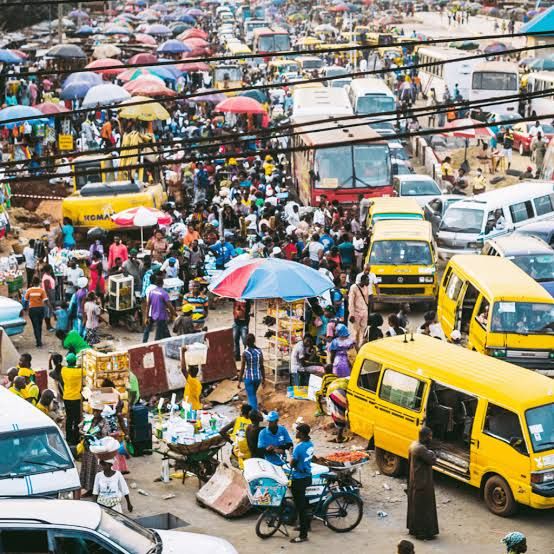
Life in Lagos moves at an aggressive pace. From early morning traffic to late-night work schedules, many residents constantly feel like they are racing against time.
A typical day for some workers starts as early as 4 a.m. just to beat traffic and avoid arriving late at work. After spending hours commuting through congested roads, many still return home exhausted late at night.
Over time, this nonstop routine creates stress, fatigue, and burnout.
For newcomers, adjusting to the city’s intensity can be overwhelming.
Transportation Is Draining More Than Wallets
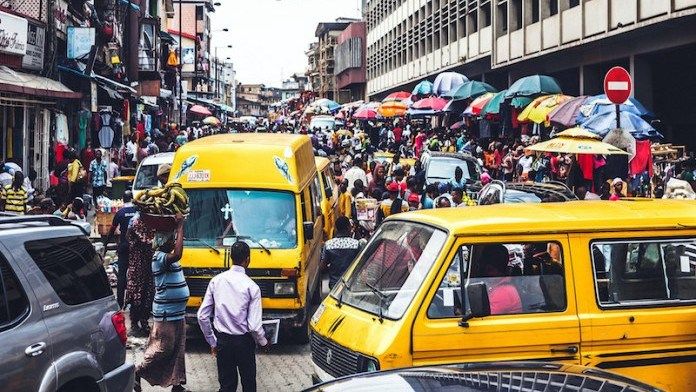
Transport costs in Lagos continue to rise due to fuel prices and economic challenges. But beyond the financial burden, commuting itself has become mentally exhausting.
Many residents spend:
4 to 6 hours daily in traffic
Long periods standing in buses
Hours exposed to noise and pollution
For remote workers and business owners, unstable electricity and internet issues also add another layer of stress.
The result is a population constantly operating under pressure.
The Social Media Pressure Is Real
Social media has changed how many Lagos residents view success. Every day, people are exposed to luxury lifestyles, expensive vacations, designer fashion, and online achievements.
This constant comparison creates silent pressure, especially among young people trying to “make it” in the city.
Many individuals now feel the need to:
Appear successful online
Spend beyond their income
Maintain fake lifestyles
Hide financial struggles
The pressure to keep up can lead to anxiety, debt, and emotional exhaustion.
Housing in Lagos Is Becoming More Difficult
Rent prices in many parts of Lagos have increased dramatically in recent years. Areas once considered affordable are gradually becoming expensive due to population growth and demand.
Many residents now spend a large percentage of their income on:
Rent
Agency fees
Utility bills
Service charges
For some young professionals, sharing apartments has become the only practical option.
Even with high housing costs, residents still deal with:
Poor roads
Flooding
Power outages
Water supply issues
Burnout Among Young Professionals
Burnout is becoming increasingly common among Lagos workers and entrepreneurs. The pressure to survive financially while chasing career goals has created a culture of constant work.
Many people now juggle:
Full-time jobs
Freelancing
Side businesses
Weekend hustles
While ambition drives the city, the lack of rest often affects mental health.
Experts say prolonged stress can lead to:
Anxiety
Depression
Sleep disorders
Reduced productivity
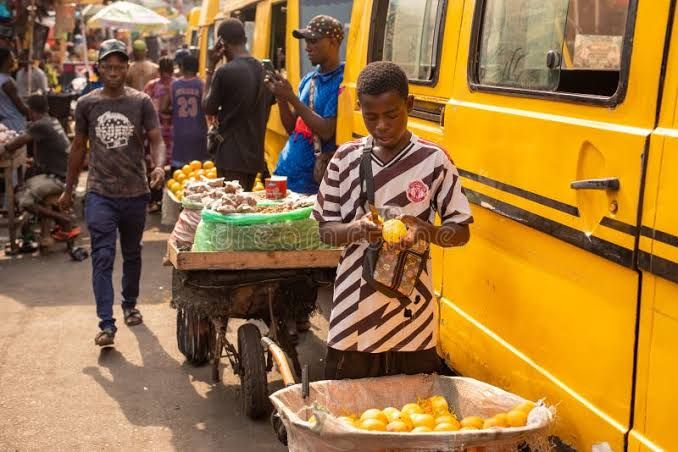
Yet many people continue pushing themselves because slowing down feels risky in a competitive city like Lagos.
Relationships and Family Life Are Affected
The demanding nature of Lagos life also affects relationships. Long work hours and stressful commutes leave many people with little time for family, friendships, or personal growth.
Some residents admit they feel emotionally disconnected despite living in one of Africa’s busiest cities.
Ironically, Lagos is crowded, yet loneliness remains a growing issue for many young adults.
Why People Still Choose Lagos
Despite the challenges, millions of Nigerians still move to Lagos every year.
Why?
Because Lagos offers opportunities difficult to find elsewhere:
Career growth
Business exposure
Networking opportunities
Entertainment industry access
Tech and startup ecosystems
For many people, the city represents hope and possibility.
The reality is that Lagos can change lives — but it often demands a heavy price in return.
The Need for Better Balance
As conversations around mental health continue to grow in Nigeria, more Lagos residents are beginning to prioritize balance and self-care.
Some people now intentionally:
Work remotely
Relocate to quieter areas
Reduce social media pressure
Prioritize rest
Focus on healthier lifestyles
Experts believe sustainable success requires more than constant hustle.
Final Thoughts
Lagos remains one of Africa’s most influential cities, filled with ambition, energy, and opportunities. However, behind the fast-paced lifestyle lies an emotional and mental cost many residents quietly carry every day.
From exhausting commutes and rising living costs to social media pressure and burnout, life in Lagos can be both inspiring and overwhelming at the same time.
As the city continues to grow, conversations about mental health, work-life balance, and sustainable living may become just as important as discussions about success and ambition.
LIVE
naijapodnews@gmail.com
Play the News, Don't Read It
Tap to listen to this story
0:000:00
Share this story
Loading trending data...
Editor's Take
Lagos is often described as the city of hustle, opportunities, and endless movement. Every day, thousands of people arrive in Nigeria’s commercial capital hoping to build better careers, businesses, and lifestyles. On social media, Lagos looks exciting — luxury restaurants, nightlife, expensive apartments, and fast-rising entrepreneurs.
Gallery
Comments
(0)0/500 · No URLs or profanity allowed
Related Stories
Economy
Nigeria Pursues $1.25 Billion World Bank Loan for Economic Growth

Economy
Sanwo-Olu's Lagos Reveals 2050 Transport Blueprint: Rail and Electric Ferries Lead
Economy
TUC Proposes Production Subsidy For Dangote Refinery, Others To Slash PMS Prices The Trade Union Co

Economy
FG begins power debt repayment, says Transcorp CEO

Economy
Atiku Blasts NNPCL, Demands Halt to 'Unknown' Chinese Firms' Refinery Deal
Economy