Lagos State has unveiled an ambitious 25-year transport strategy aimed at revolutionizing mobility across the metropolis by 2050. The plan prioritizes an integrated multimodal system featuring extensive rail network expansion, including the Blue, Red, and proposed Green lines, alongside a significant push for electric ferries and cleaner bus services. This comprehensive blueprint seeks to drastically reduce congestion and enhance accessibility for all Lagosians.
The Lagos State Government on Monday outlined an expansive long-term transportation strategy built around rail expansion, electric ferries, cleaner buses and digital traffic management, as it seeks to ease congestion and reshape mobility across the state through 2050.
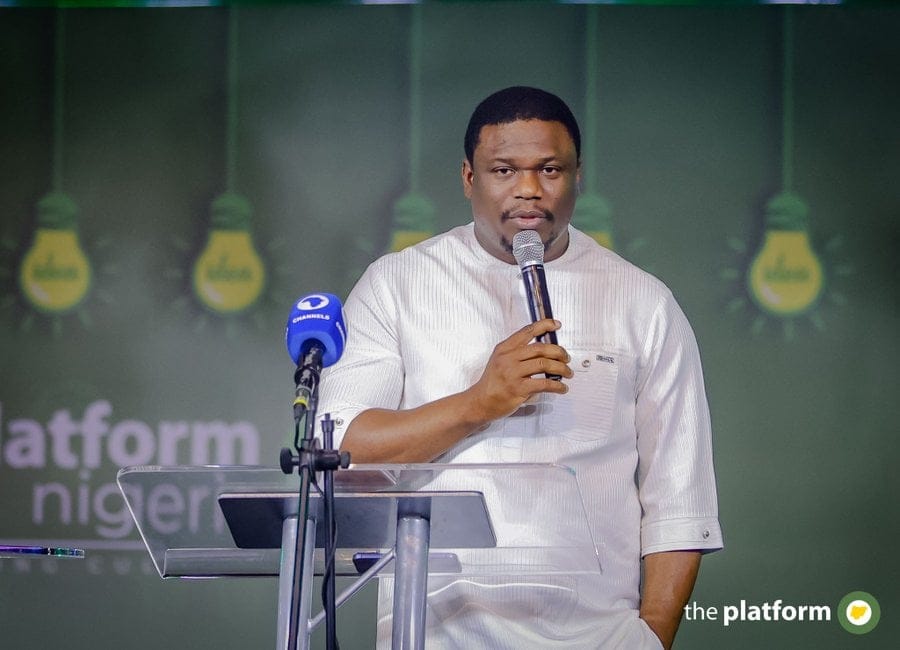
Speaking at a ministerial briefing marking the third year of Governor Babajide Sanwo-Olu’s second term, the Commissioner for Transportation, Oluwaseun Osiyemi, said the state’s transport reforms are anchored on the Strategic Transport and Mobility Master Plan, designed to guide infrastructure development over the next 25 years.
“The goal is to give all Lagosians accessibility to an integrated multimodal transportation system that is seamless, safe, affordable, sustainable and inclusive,” Osiyemi said.
According to the commissioner, the strategy prioritises mass transit through rail systems, Bus Rapid Transit corridors and structured ferry operations functioning as a single integrated network.
“The strategy is designed to enhance mass transit with a focus on expanding rail systems, strengthening Bus Rapid Transit, and developing structured ferry services into a fully integrated, multimodal network,” he said.
The government said Lagos is developing a seven-line electric rail network intended to become the backbone of transportation within the state.
The Blue Line currently operates between Marina and Mile 2, while construction is ongoing on its extension to Okokomaiko. Officials said track laying, station development and installation of power systems are continuing.
The Red Line, operating between Agbado and Oyingbo, is also being expanded with the procurement of 24 additional coaches arranged into three eight-carriage trains.
The state additionally confirmed that feasibility studies are ongoing for the second phase of the Red Line, which will extend from Oyingbo to the National Theatre and connect with the Blue Line.
One of the most ambitious projects announced was the proposed 68-kilometre Green Line rail corridor stretching from Marina through Victoria Island, Lekki, Ajah and Sangotedo to the Lekki Free Trade Zone.
The government said a Memorandum of Understanding had already been signed with China Harbour Engineering Company for the project, which is projected to move about 35,000 passengers per hour at full capacity.
Construction of transport interchange hubs at Marina and Mile 2 has also reached 52 per cent and 58 per cent completion, respectively, according to officials.
“After completion, the interchange will aid seamless connectivity, reduce congestion, improve air quality and enhance safety and security,” the government stated.
The briefing also highlighted the growing role of waterways in Lagos transportation.
Officials said about two million passengers now use inland waterways monthly, while daily traffic on Lagos Ferry Services routes has increased from about 1,500 to over 2,000 commuters.
Seven ferries have been retrofitted, while new routes linking Ijede, Ibeshe, Lekki, Victoria Island, Falomo and Ito Omu have commenced operations.
The state also highlighted progress on the £410m OMI-EKO electric ferry programme launched in October 2025.
According to the government, the initiative is intended to provide “cleaner, safer and more efficient mobility” through electric-powered ferries, with the OMI-BUS prototype already completing sea trials.
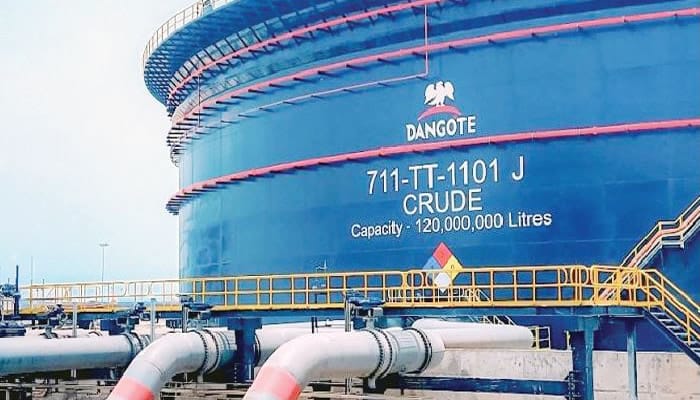
Beyond passenger movement, waterways are increasingly being used for freight operations, with companies including Dangote Industries, BUA Industries and Crown Flour Mills now moving cargo through Lagos waterways to reduce pressure on roads.
The Lagos State Waterways Authority also said it continued water safety campaigns across riverine communities, including Falomo, Badore, Sangotedo, Baiyeku and Ijede.
As part of that initiative, 50 pupils from five public schools were trained in swimming, water safety and survival techniques under the Lagos Water Savvy Kids Programme.
Speaking on bus transportation, the government said Lagos Bus Services Limited has transported more than 60.8 million passengers since operations began in 2019, averaging about 42,266 passengers daily through nearly 1,000 trips.
Officials said the service currently operates across all five IBILE divisions, 13 local government areas, 21 transport corridors and over 40 routes.
According to the government, average fares on state-operated buses remain significantly lower than those charged by informal transport operators.
“The average LBSL fare in February stood at N542.66, while the equivalent average fare charged by informal operators was N1,097.73.
“Since inception, the LBSL average fare has been N261.67 cheaper than the average fares in Lagos,” officials said.
The government estimated that fare reductions across six years amount to an effective commuter subsidy of about N14.9bn.
The briefing also focused on clean-energy transportation initiatives.
Officials said a 90-day electric bus pilot on BRT corridors recorded over 150,000 passengers while preventing more than 200,000 kilograms of carbon emissions.
The state further disclosed that 152 buses had been converted to Compressed Natural Gas under the national Pi-CNG initiative.
“CNG buses that have been in operation since 2022 have conveyed 600,000-plus passengers with about 50 per cent fuel cost savings,” the government stated.
Authorities also announced plans to deploy 2,000 CNG trucks under a haulage reform programme intended to reduce accidents involving ageing heavy-duty vehicles.
The project is being implemented through a partnership involving United Bank for Africa.
On enforcement and traffic management, automated number plate recognition systems recorded 737,340 traffic violations across Lagos during the review period.
The Lagos State Traffic Management Authority intensified enforcement operations across major corridors, including Idumota-Ebute Ero, Oyingbo-Costain, Lekki-Ajah and Oshodi.
Officials said LASTMA also rescued more than 1,250 accident victims in 2025 in collaboration with emergency agencies.
The state additionally processed more than 1.1 million roadworthiness certificates and 56,876 driver’s licence applications and renewals.
The Lagos State Drivers’ Institute conducted over 43,000 professional driver training sessions during the period under review.
Road interventions are also ongoing on Toyin Street, Opebi Road and Allen Avenue, with works including road expansion, traffic signalisation and roundabout modifications.
Intelligent traffic signal systems have also been deployed on Obafemi Awolowo Way in Ikeja, Admiralty Way in Lekki, Alfred Rewane Road in Ikoyi and parts of Victoria Island.
The state further disclosed that it commenced implementation of an electronic call-up system for trucks operating along the Lekki-Epe corridor on August 1, 2025.
“The E-Callup System, otherwise called Electronic Queue Management Solution, is a digital scheduling of trucks for access into the Lekki Free Zone or the Maritime Corridor,” officials said.
Looking ahead, the government listed the Green Line and Purple Line rail systems, intelligent transport systems, AI-based driver simulators, solar-powered transport infrastructure and additional electric ferry partnerships among key priorities for 2026.
“Our promise to Lagosians as a government is to engage them through various channels and continue to provide and plan the very best for everyone, in such a way to boost the socio-economic development of all citizens and the state itself,” the government stated.