Lagos Blue Line Expansion: FESTAC, Alakija, Trade Fair Stations Set for 2027

Full Story
Lagos State is poised to inaugurate three additional stations along its Blue Line rail network by February 2027, extending passenger transport to FESTAC, Alakija, and Trade Fair areas. This expansion will increase the number of operational stations from five to eight, providing more residents with crucial alternative transportation options.
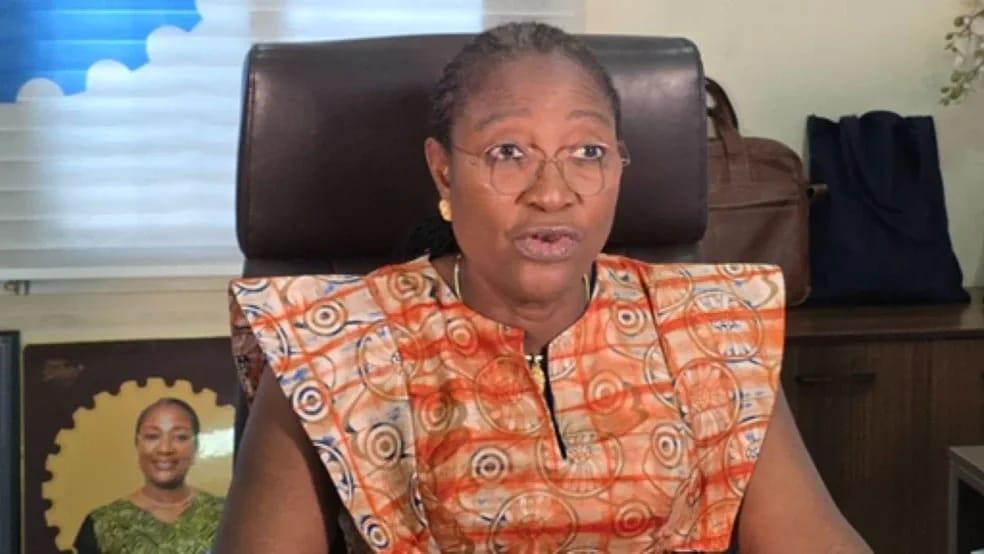
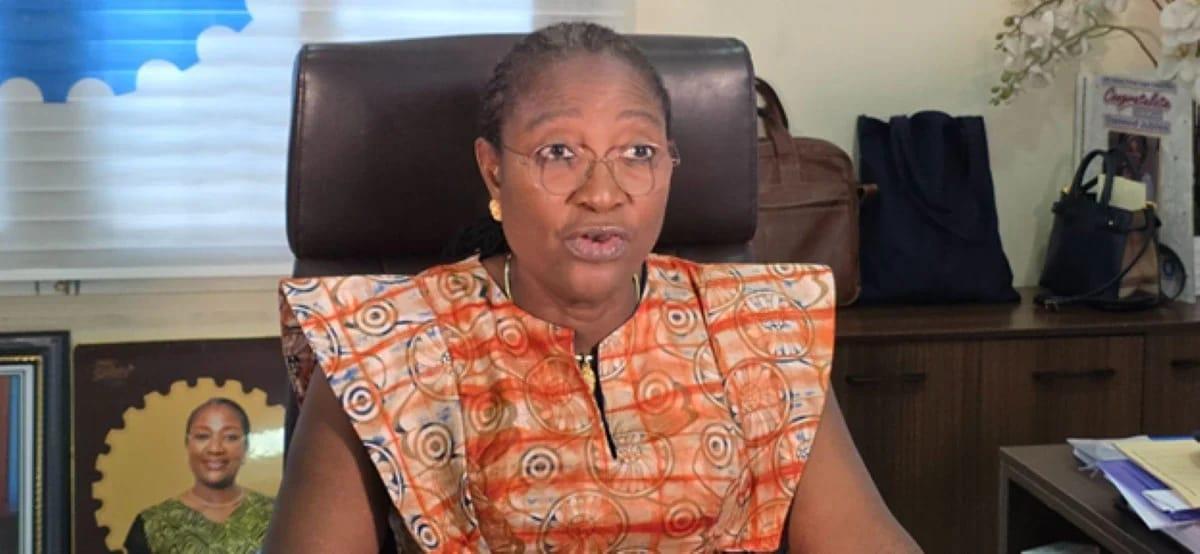
The Managing Director of the Lagos Metropolitan Area Transport Authority (LAMATA), Abimbola Akinajo, revealed this timeline during the 2026 media parley organized by the Lagos State Ministry of Transportation. The extension is designed to push rail access further along the Lagos-Badagry corridor, beyond the current Mile 2 terminus, aiming to alleviate road traffic congestion.
While the February 2027 target applies specifically to the FESTAC, Alakija, and Trade Fair stations, the broader Blue Line Phase II project is slated for further development towards Volkswagen, Lagos State University (LASU), and ultimately Okokomaiko.
Currently, the Blue Line operates five stations: Marina, National Theatre, Iganmu, Alaba, and Mile 2. The planned three new additions will bolster the operational network to eight stops. The comprehensive Phase II project spans approximately 14 kilometers from Mile 2 to Okokomaiko and incorporates six planned stations: FESTAC, Alakija, Trade Fair, Volkswagen, LASU, and Okokomaiko. A train depot at Okokomaiko is also part of the plan, essential for maintenance and operational support. It's important to note that the February 2027 deadline covers only the initial three stations, not the entire Phase II extension, with confirmed opening dates for the remaining sections yet to be announced.
The Blue Line's initial phase, which covers about 13 kilometers from Marina to Mile 2, commenced commercial services in September 2023. This ongoing expansion aims to broaden rail access for more residents and bolster public transportation along a critical and often congested section of Lagos.
Beyond the rail infrastructure, Akinajo also highlighted significant progress on four Quality Bus Corridors nearing completion. Furthermore, the construction of interchange hubs at Marina and Mile 2 has advanced considerably. These interconnected projects are vital for creating a seamless transport experience, enabling commuters to effortlessly switch between rail and bus services. The efficacy of an integrated transport system relies not just on the number of stations but also on the ease of access, connectivity to other services, and the overall journey completion for passengers. Well-planned bus links, pedestrian pathways, and interchange facilities are key to maximizing the utility of new stations for residents.
For those commuting along the Lagos-Badagry corridor, the combined development of new rail stations, bus corridors, and interchange hubs promises a wider array of travel choices and a reduced reliance on private road transport.
This extension holds significant implications for the residential and commercial property markets in and around FESTAC, Alakija, and Trade Fair. Enhanced access to dependable public transport can significantly boost the appeal of these locations for individuals who regularly commute for work, education, or business. As commuting becomes more convenient, areas near these stations are likely to attract increased interest from homebuyers, tenants, retailers, and various businesses. Property developers may find a stronger case for new housing and commercial ventures in locations with easy access to rail services. Existing property owners could also benefit from improved connectivity making their neighborhoods more accessible. However, it is crucial to understand that the announcement does not guarantee an immediate rise in property values or rents. Market outcomes will be influenced by the timeliness and reliability of rail services, ease of station access, local infrastructure quality, housing supply, and the rate at which commuters adopt the new service. The distribution of benefits will also be critical; if transport improvements are accompanied by better roads, drainage, utilities, and public amenities, they could foster broader neighborhood development rather than being confined to properties immediately surrounding the stations.
The Blue Line extension is a core component of Lagos State's overarching strategy to expand its mass transit system and alleviate pressure on its road networks. In July 2026, China Civil Engineering Construction Corporation, the project's technical partner, reported that the Blue Line had served over eight million passengers during more than 1,000 days of operation. Construction on Phase II also achieved a milestone with the installation of its first precast T-beam. These developments signal progress on the broader extension, though construction milestones alone do not confirm immediate readiness for passenger service. The state continues to develop its extensive rail and bus network to enhance connectivity across the entire Lagos metropolis.
Gallery
Comments
(0)0/500 · No URLs or profanity allowed
This Blue Line extension na good news for Lagosians wey dey suffer traffic everyday. If dem fit deliver am by 2027 as dem talk, e go really ease movement for people for FESTAC axis. We just pray say dem no go delay am like some other projects.
Source: Google Trends Nigeria
Related Stories

Pop Star Ariana Grande Swaps Iconic Ponytail for Striking Bob Hairstyle
Nollywood Actor Jide Kosoko Reveals Over ₦300 Million Cinema Investment Loss

International Budget Partnership Boosts Abia's Taxpayer Communication

Trump Advocates 'Dividend' Payments from Data Centers to Boost Community Acceptance

IMF Predicts Nigeria's Inflation Will Cool to 15.6% by 2026