Naira's Free Fall: Reform Impact on Nigeria's Economy
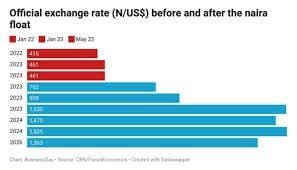
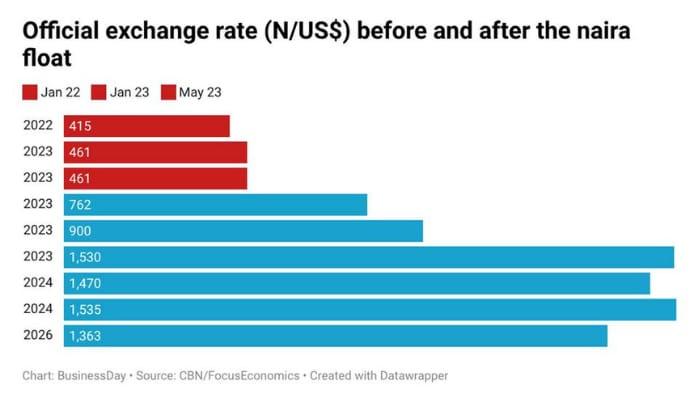
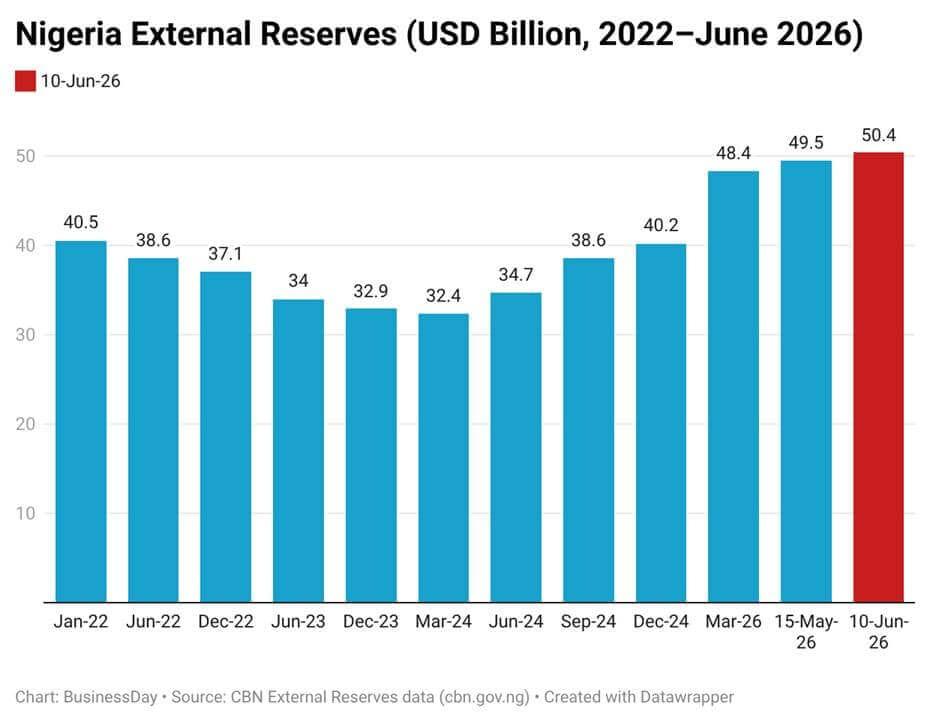
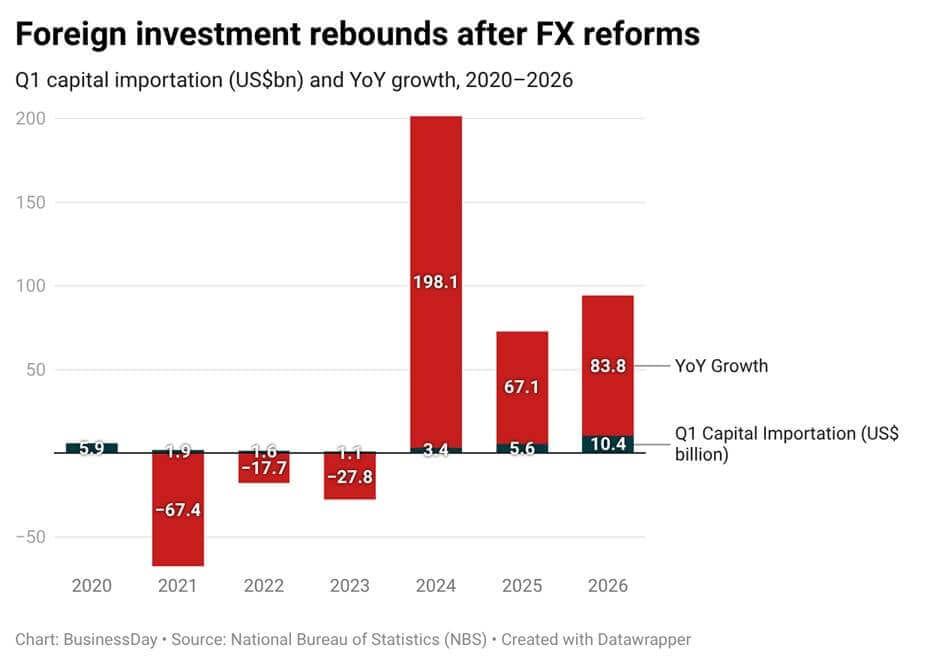
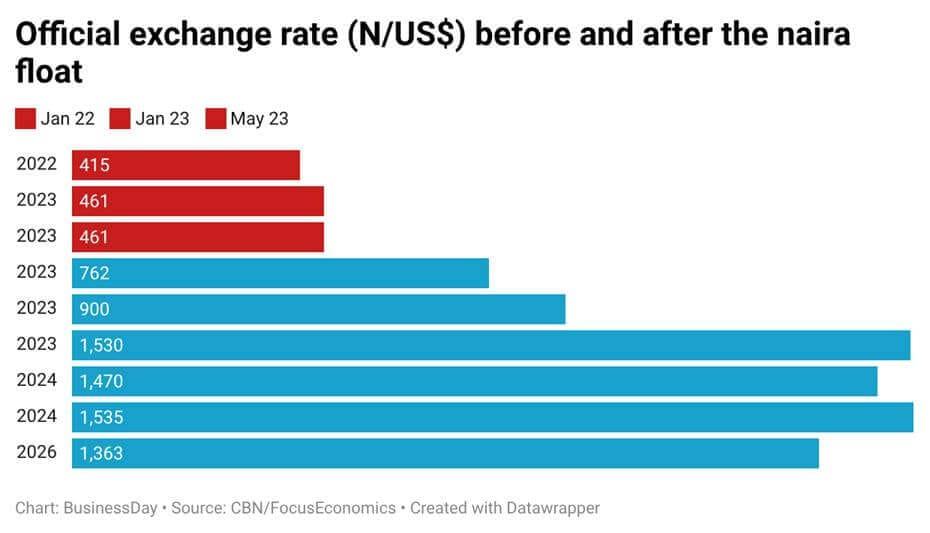
In a bold move, the Central Bank of Nigeria (CBN) abolished the multiple exchange-rate windows in June 2023, allowing the naira to find its own value. This significant currency reform has had a profound impact on the Nigerian economy, with both positive and negative consequences. For Chukwuemeka, a printing business owner in Onitsha, the naira's depreciation has been devastating. He imported paper and ink from China in May 2023 at an official rate of N460 to the dollar, but by December that year, the same dollar cost him N900, and by the end of 2024, it was N1,535. His input costs more than tripled in eighteen months, forcing him to raise prices, lose clients, and lay off three workers. His story is a testament to the challenges faced by many Nigerian businesses. On the other hand, the reform has brought about some benefits, including a significant increase in foreign investment and a rise in export earnings. The CBN's decision to unify the exchange rate was aimed at ending the market chaos, attracting investors, and making monetary policy more effective. According to the International Monetary Fund (IMF), the parallel market premium narrowed to about 9 percent after the unification, and the Electronic Foreign Exchange Matching System launched in March 2024 brought daily FX market turnover to $350 million, the highest since 2014. By the end of 2024, monthly volumes exceeded $7 billion, indicating a working market. Foreign investors have also returned, with capital importation reaching $10.37 billion in Q1 2026, an 83.8 percent increase year-on-year. The country's external reserves have crossed $50 billion, a 17-year high, and the monetary policy system is now more effective. However, the reform has also had a negative impact on households, with headline inflation peaking at 34.19 percent in June 2024 and food inflation hitting 40.87 percent. The World Bank's April 2026 Nigeria Development Update put the poverty rate at 63 percent of the population in 2025, approximately 140 million people. The critics argue that the timing and sequence of the reform were not ideal, and that the government should have provided more support to households and small businesses. Research has shown that exchange rate reform is more effective in production economies, not consumption economies like Nigeria. The IMF has also noted that the reform imposed significant short-term hardship on households, particularly at a time when the country had limited fiscal room to absorb it. In conclusion, the naira's free fall has had a profound impact on the Nigerian economy, with both winners and losers. While the reform has brought about some benefits, it has also imposed significant challenges on households and small businesses.
Gallery
Comments
(0)0/500 · No URLs or profanity allowed
Naira don fall, plenty people suffer, but government say na for the better, make we see whether dem dey right or no
Source: Google Trends Nigeria
Related Stories

OPay's Invisible Engine Powers Millions of Daily Financial Transactions

Naira Gains More Strength Against Dollar as CBN Keeps Interest Rate Steady

Britain Sees Inflation Rate Drop to 2.6% in June as Fuel Costs Decrease
Naira Gains Strength, Now N1,409 to the Dollar

US Judge Puts Brakes on Paramount Skydance's $110bn Warner Bros. Discovery Deal