Telemedicine Revolution: Bringing Quality Healthcare to Rural Nigeria
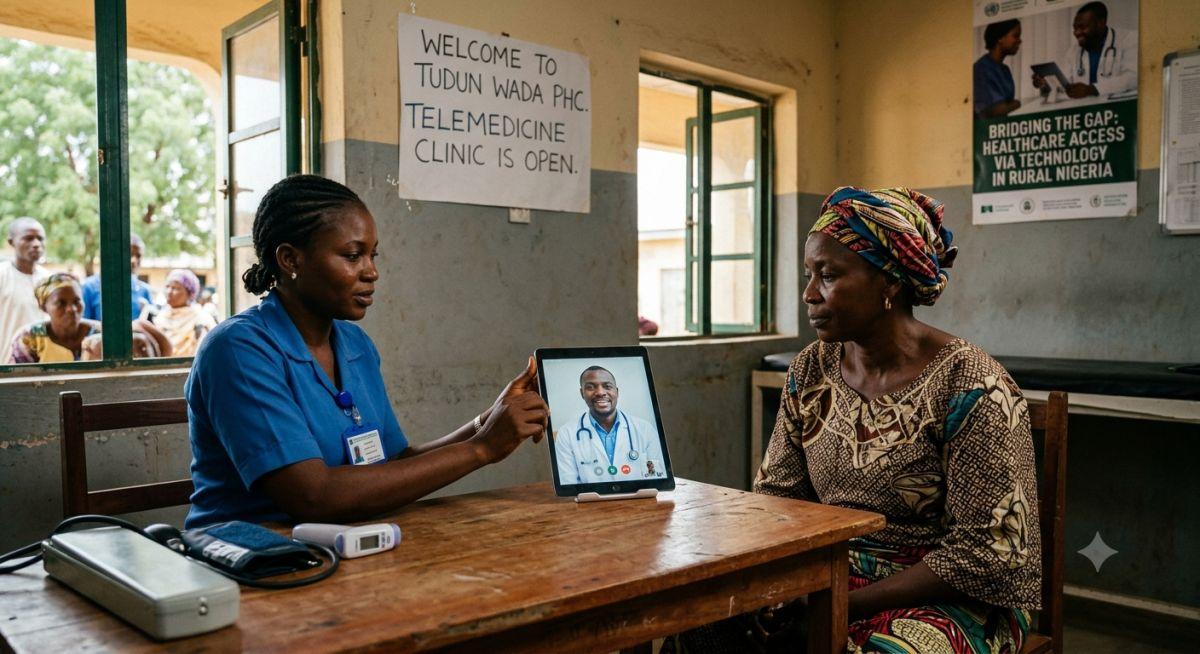
Nigeria, a nation rich in cultural diversity and vibrant communities, faces a persistent challenge in ensuring equitable access to healthcare, particularly for its rural populations. With a significant portion of its citizens residing in remote villages, the journey to a doctor or a well-equipped medical facility can often be long, arduous, and costly. However, a silent revolution is underway, leveraging technology to bridge this gap: telemedicine. This innovative approach is fundamentally transforming how healthcare is delivered, effectively bringing doctors and specialists closer to those who need them most, regardless of their geographical location.
One of the most profound impacts of telemedicine is its ability to overcome the formidable geographical barriers that have historically isolated many Nigerian villages from quality healthcare. Imagine a community like Tudun Wada in Kaduna State, where the nearest medical doctor might be several hours away by road, often on unpaved paths. For a resident suffering from a chronic condition like hypertension or diabetes, regular check-ups become a logistical nightmare. Telemedicine platforms, often facilitated through local health centres equipped with internet connectivity and basic diagnostic tools, allow patients to consult with a doctor remotely. This direct connection reduces the doctor-to-patient ratio challenge, which stands at roughly one doctor for every 5,000-6,000 Nigerians nationally, but is significantly worse in rural areas. Patients can have virtual consultations, receive diagnoses, and get prescriptions without leaving their village.
Beyond access, telemedicine significantly reduces the financial and time burden on patients. Consider a mother in Oja Oba in Oyo State whose child develops a high fever. Traditionally, she would have to spend precious funds on transport, potentially lose a day's income, and endure a lengthy journey to the nearest town with a hospital. With telemedicine, a community health worker at the local primary healthcare centre can facilitate a video call with a doctor. This not only saves the family transport costs and lost wages but also ensures quicker attention for
Comments
(0)0/500 · No URLs or profanity allowed
Telemedicine is bridging Nigerias healthcare gap, connecting rural communities to doctors and specialists. This tech-driven revolution promises equitable access and improved well-being across the nation.
Related Stories

Former Student Now Doctor Works Alongside Old Biology Teacher Turned Nurse
Health Experts Dispel Myth: Breastfeeding Not Cause of Sagging Breasts
Anambra First Lady Dr Nonye Soludo Advocates for Exclusive Breastfeeding Practice

Husband's Desperate Move to Save Marriage: Takes Oath to Prove Loyalty
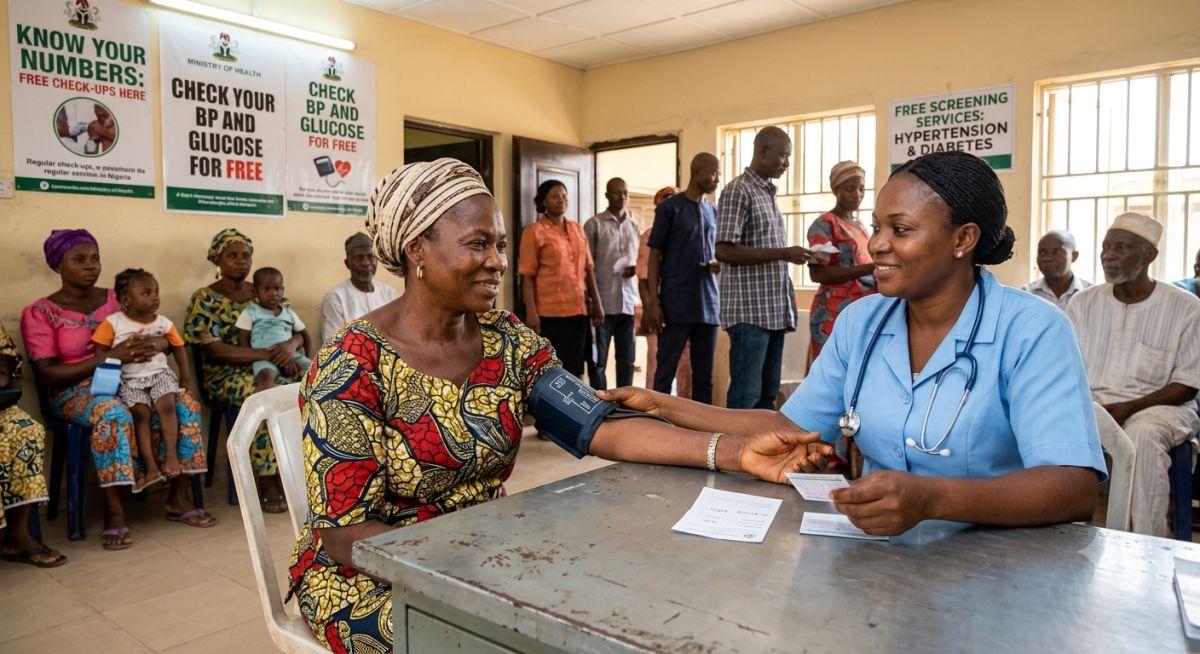
Free Health Check-ups: Your Key to a Stronger Nigeria!