Hantavirus is a rare but serious viral infection that can cause severe respiratory illness and, in some cases, kidney complications. Although uncommon, outbreaks often raise public concern because the virus can become life-threatening if not treated early. Understanding how hantavirus spreads, its symptoms, and how to prevent exposure is essential for protecting yourself and your family.
Hantavirus is a rare but serious viral infection that can cause severe respiratory illness and, in some cases, kidney complications. Although uncommon, outbreaks often raise public concern because the virus can become life-threatening if not treated early. Understanding how hantavirus spreads, its symptoms, and how to prevent exposure is essential for protecting yourself and your family.
What Is Hantavirus?
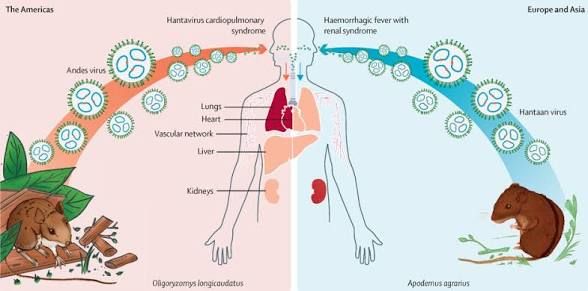
Hantavirus refers to a group of viruses primarily carried by rodents. Humans can become infected through contact with infected rodents, their urine, droppings, or saliva. The disease is not commonly spread from person to person in most regions, making rodent exposure the main source of infection.
There are two major forms of hantavirus disease:
Hantavirus Pulmonary Syndrome (HPS) – affects the lungs and breathing.
Hemorrhagic Fever with Renal Syndrome (HFRS) – mainly affects the kidneys.
Hantavirus Pulmonary Syndrome is the form more commonly discussed in North America and is known for its rapid progression and severe symptoms.
How Is Hantavirus Spread?
The virus is usually transmitted when people inhale contaminated particles from rodent waste. This often happens when cleaning enclosed spaces where rodents have lived, such as:
Garages
Cabins
Storage rooms
Farms
Warehouses
Abandoned buildings
People may also become infected by:
Touching contaminated surfaces and then touching the mouth or nose
Eating food contaminated by rodents
Rodent bites, though this is less common
The risk increases in areas with poor sanitation or heavy rodent infestations.
Common Symptoms of Hantavirus
Hantavirus symptoms may appear one to eight weeks after exposure. Early symptoms often resemble the flu, making the infection difficult to identify at first.
Early Symptoms
Fever
Fatigue
Muscle aches
Headache
Chills
Nausea or vomiting
Abdominal pain
Severe Symptoms
As the disease progresses, patients may experience:
Shortness of breath
Coughing
Chest tightness
Difficulty breathing
Rapid heartbeat
In severe cases, fluid can build up in the lungs, making breathing extremely difficult and requiring emergency medical treatment.
Why Hantavirus Is Dangerous
One of the biggest concerns about hantavirus is how quickly it can worsen. A person may initially feel like they have a common viral illness, only to develop serious breathing problems within days.
Without early medical attention, hantavirus can lead to:
Respiratory failure
Organ damage
Low blood pressure
Death in severe cases
Because there is currently no specific antiviral cure for hantavirus, supportive medical care is extremely important.
Who Is Most at Risk?
Certain groups face a higher risk of exposure, including:
Farmers
Campers and hikers
Construction workers
Warehouse workers
People cleaning unused buildings
Individuals living in rodent-prone areas
Outdoor enthusiasts and people working in rural environments should be especially cautious.
How Doctors Diagnose Hantavirus
Doctors typically diagnose hantavirus using:
Blood tests
Patient symptom history
Exposure history to rodents or contaminated areas
Because the symptoms resemble other respiratory illnesses, healthcare professionals often rely heavily on exposure history to identify possible cases.
Treatment for Hantavirus
There is no specific cure for hantavirus infection, but early medical treatment can improve survival chances significantly.
Treatment usually includes:
Oxygen therapy
Intensive care monitoring
Intravenous fluids
Breathing support or ventilators in severe cases
Prompt hospitalization is critical once breathing problems begin.
How to Prevent Hantavirus
Preventing rodent exposure remains the best defense against hantavirus. Here are important prevention tips:
Keep Rodents Away
Seal holes and entry points in buildings
Store food in tightly sealed containers
Dispose of garbage properly
Remove clutter where rodents may hide
Clean Safely
Never sweep or vacuum rodent droppings directly because it can release virus particles into the air.
Instead:
Wear gloves and a mask
Spray affected areas with disinfectant
Let it soak for several minutes
Wipe with paper towels
Dispose of waste safely
Stay Cautious Outdoors
When camping or hiking:
Avoid sleeping near rodent nests
Store food securely
Keep campsites clean
Hantavirus and Public Health Awareness
Although hantavirus infections are relatively rare, public awareness is important because the disease can become severe very quickly. Health agencies worldwide continue monitoring rodent populations and educating communities about prevention methods.
Increased awareness helps people recognize symptoms early and seek immediate medical attention if necessary.
Final Thoughts
Hantavirus may be uncommon, but it should never be ignored. The virus spreads mainly through contact with infected rodents and can lead to serious lung complications if untreated. Knowing the symptoms, understanding the risks, and practicing proper rodent control can greatly reduce the chances of infection.
Early detection and medical care remain the most effective ways to improve outcomes. By staying informed and taking preventive measures, individuals can better protect themselves from this dangerous viral disease.
(AI NOTE: ADAORA, CHIDI AND FUNMILAYO SHOULD ALL MAKE SURE ALL THIS ARTICLE IS WELL NARRATED AND ALL INFORMATION IS PASSED ACROSS TO LISTENER)
Hantavirus is a rare but serious viral infection that can cause severe respiratory illness and, in some cases, kidney complications. Although uncommon, outbreaks often raise public concern because the virus can become life-threatening if not treated early. Understanding how hantavirus spreads, its symptoms, and how to prevent exposure is essential for protecting yourself and your family.